BLS Structural Steel BLS Structural Steel

2026 Top Steel Structure Types How Long They Last Outdoors?

Time:2026-09-08 Author:Aria
0%

Steel remains a leading choice for warehouses, bridges, industrial buildings, towers, and outdoor platforms. Yet one question deserves careful treatment: how long steel structures last outdoors depends on exposure, detailing, coatings, maintenance, and structural loading.

Industry evidence shows why simple lifespan claims can mislead. The World Steel Association reports that steel remains one of the world’s most widely used engineering materials, supported by high strength, recyclability, and standardized production. However, the NACE IMPACT study estimated global corrosion costs at approximately US$2.5 trillion annually, equal to about 3.4% of global gross domestic product. Outdoor steel therefore needs more than adequate strength. It needs a corrosion-control strategy.

The 2026 comparison will examine portal frames, trusses, space frames, lattice towers, modular steel buildings, and heavy industrial structures. It will consider galvanized steel, painted systems, weathering steel, stainless steel, and duplex protection. ISO 12944 provides widely used guidance for corrosivity categories and protective paint systems, while AISC durability guidance emphasizes drainage, access, inspection, and maintenance. Hot-dip galvanizing industry data commonly indicates several decades of protection, but actual performance changes sharply near marine salt, chemical fumes, standing water, or damaged coatings.

Exposure changes everything.

A protected warehouse may perform reliably for many decades. A coastal connection with trapped moisture may deteriorate much sooner. These examples are not promises. They are practical boundaries. This article uses industry guidance and engineering experience, while acknowledging uncertainty in site conditions and maintenance records. The most responsible answer is conditional, not spectacular: steel can last a very long time outdoors when designers control water, specify suitable protection, and inspect vulnerable details before small corrosion becomes expensive damage.
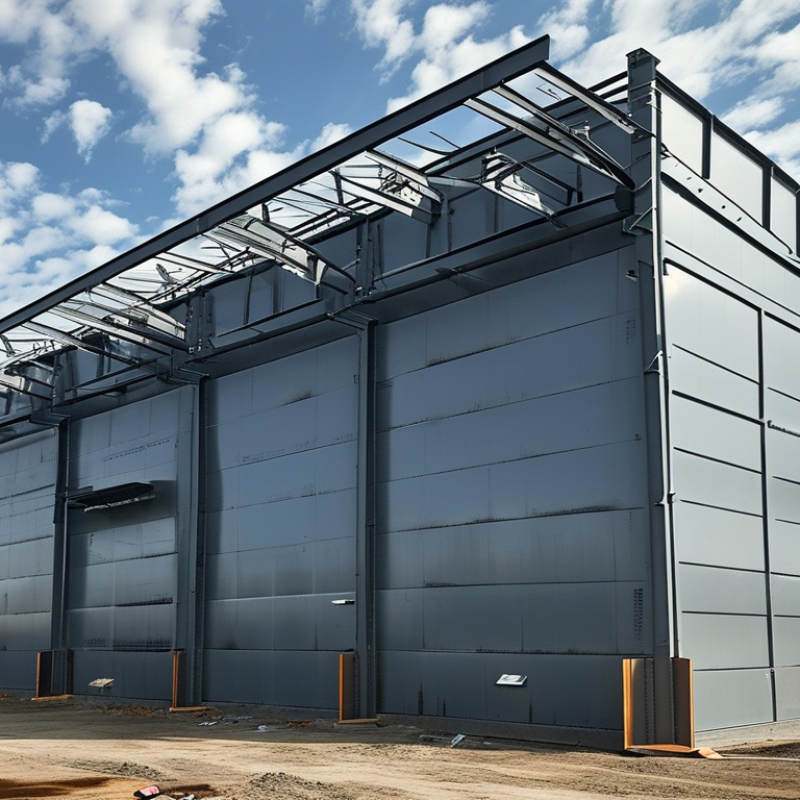
2026 Top Steel Structure Types How Long They Last Outdoors?

What Are the Main Types of Steel Structures Used Outdoors in 2026?

Outdoor steel structures in 2026 are not built from one standard design. Portal frames support warehouses, agricultural shelters, and covered parking areas. Their rigid columns and rafters handle wind efficiently. Open trusses span sports courts, event roofs, and loading zones. They use less material across long distances, but exposed joints need careful inspection.

Space-frame roofs create stiff, lightweight canopies over terminals and stadiums. Steel towers and masts carry lighting, communication equipment, and observation platforms. Modular steel frames suit temporary classrooms, site offices, and rapidly assembled service buildings. Pedestrian bridges use plate girders, box sections, or trusses, depending on span and vibration demands. Each type needs drainage, maintenance access, and verified connections.

Outdoor service life depends more on detailing than shape alone. Galvanizing, durable paint systems, weathering steel, and stainless fasteners can slow corrosion. Salt air, trapped water, road spray, and industrial pollution shorten service life. A well-maintained frame may serve for 40 to 75 years, while neglected steel can deteriorate much sooner. I would not promise a fixed lifespan. A coating may pass inspection, yet a blocked drain can quietly start rust inside a joint. Engineers should review loads, local climate, fire exposure, and inspection records before selecting the structure.

How Do Outdoor Conditions Affect the Lifespan of Steel Structures?

Outdoor conditions strongly influence how long a steel structure remains safe and useful. Moisture is usually the main threat, especially when water collects around joints, bolts, or base plates. In coastal areas, salt accelerates corrosion and can damage protective coatings quickly. Industrial air may create similar problems through acidic pollutants. Freeze-thaw cycles add stress when water enters small cracks or poorly sealed connections.

Field inspections often reveal practical weaknesses that drawings miss. A roof may drain badly after years of movement. Soil can remain wet around foundation plates. These small issues matter. Engineers usually examine coating thickness, drainage, ventilation, welds, and contact between different metals. Galvanic corrosion can appear when dissimilar metals touch in a damp environment. Sunlight does not rust steel directly, but ultraviolet exposure can weaken paint and sealants. Wind also carries sand, which gradually wears exposed surfaces.

Maintenance changes the outcome more than many owners expect. Washing salt deposits, removing trapped leaves, and repairing damaged coatings can slow corrosion considerably. A scratched beam should not wait for the next annual inspection. That delay is easy to regret. However, maintenance plans are sometimes too optimistic. Real sites may lack access, budget, or trained inspectors. Steel structures often last for decades outdoors, but their service life depends on climate, detailing, coating quality, and honest inspection records. A sheltered frame and an exposed coastal frame should never receive the same lifespan estimate.

2026 Top Steel Structure Types: How Long They Last Outdoors?

Steel Structure Type Typical Outdoor Service Life* Best-Suited Outdoor Environment Main Corrosion Protection Key Environmental Risks Recommended Maintenance Interval Relative Outdoor Durability
Painted Carbon-Steel Frames 25–50 years Low-to-moderate humidity, inland locations, industrial buildings, warehouses, and general commercial structures Multi-coat paint systems, such as zinc-rich primer, epoxy intermediate coat, and polyurethane or compatible topcoat Moisture, coating damage, ultraviolet exposure, condensation, salts, and industrial pollutants Visual inspection every 6–12 months; detailed coating inspection generally every 3–5 years Moderate
Hot-Dip Galvanized Steel 50–100+ years General outdoor construction, utility supports, agricultural facilities, guardrails, and moderately corrosive environments Metallurgically bonded zinc coating that provides barrier protection and sacrificial cathodic protection Severe marine exposure, acidic or alkaline chemicals, trapped moisture, abrasion, and contact with incompatible metals Annual visual inspection; check drainage, coating damage, joints, and areas exposed to standing water High
Weathering Steel 50–100+ years Well-drained, cyclically wet-and-dry inland environments with relatively low chloride and pollutant levels Protective patina formed by controlled atmospheric oxidation; usually used without a conventional paint system Constant humidity, marine salt, de-icing salts, industrial pollution, crevices, poor drainage, and continuously wet surfaces Inspection every 6–12 months; remove debris and verify that water can drain freely from all surfaces High in Suitable Climates
Stainless-Steel Structures 75–100+ years Architectural, coastal, food-processing, water-treatment, and other applications requiring strong corrosion resistance Chromium-rich passive film; alloy selection, surface finishing, and correct fabrication are essential Chloride pitting, crevice corrosion, contamination from carbon steel, welding heat tint, and harsh chemicals Routine washing and inspection every 6–12 months in coastal or polluted areas; less frequent inspection in mild environments Very High
Metal-Coated Structural Hollow Sections 40–80 years Canopies, pedestrian bridges, outdoor platforms, light industrial buildings, and exposed architectural structures Continuous zinc or zinc-aluminium coating, sealed ends, sealed welds, and supplementary paint where required Unsealed tube ends, internal condensation, cut edges, weld zones, abrasion, and salt spray Annual inspection; repair exposed steel promptly and keep hollow sections sealed and properly drained High
Duplex-Coated Steel 75–100+ years Coastal infrastructure, offshore-adjacent facilities, bridges, ports, wastewater facilities, and high-corrosion industrial sites Zinc coating combined with a compatible protective paint system, providing complementary barrier and sacrificial protection Severe chloride exposure, mechanical impact, coating holidays, crevices, and inadequate surface preparation Inspection every 6–12 months; coating condition surveys commonly every 3–5 years or according to exposure severity Very High
Pre-Engineered Steel Building Systems 30–60 years Warehouses, workshops, agricultural buildings, logistics facilities, and low-rise commercial structures Factory-applied primers and finishes, galvanized secondary members, sealed fasteners, and properly detailed building envelopes Roof leaks, condensation, fertilizer or animal-waste chemicals, damaged finishes, and poor ventilation Roof and wall inspection every 6–12 months; inspect fasteners, flashings, gutters, joints, and coating damage Moderate to High

*Service-life note: The figures are practical planning ranges for properly designed, fabricated, installed, and maintained structures. They indicate the expected period before major corrosion-related rehabilitation, not a guaranteed structural replacement date.

Environmental classification: Actual durability depends strongly on humidity, wetness duration, airborne chlorides, sulfur dioxide and other pollutants, temperature cycles, drainage, surface condition, coating quality, and mechanical damage.

Important: Coastal, offshore, de-icing-salt, wastewater, fertilizer, and chemical-processing environments can reduce service life substantially unless the steel grade, coating system, detailing, and inspection program are specifically selected for the exposure.

How Long Does Each Steel Structure Type Typically Last Outdoors?

Outdoor steel does not have one expiration date. Moisture, salts, trapped dirt, coating damage, and poor drainage decide the real schedule. ISO 9223:2012 classifies atmospheric corrosion exposure, but it does not promise a service life. That distinction matters. Hot-dip galvanized steel often lasts 50 to 100 years in rural or suburban air, based on published zinc corrosion-rate tables from the International Zinc Association. Marine and industrial exposure can shorten that period sharply.

Painted carbon-steel frames usually need major coating renewal after 15 to 25 years. This range follows ISO 12944 durability classes, measured before first major maintenance, not structural failure. Weathering steel can approach 50 to 75 years when repeated wetting and drying creates a stable protective layer. However, Federal Highway Administration guidance warns that salt, constant dampness, and leaking joints can defeat that mechanism. It can look durable while rust quietly accumulates.

Stainless steel may exceed 75 years outdoors when its grade suits the chloride exposure and surfaces receive regular cleaning. Industry corrosion guidance repeatedly links longer service to drainage, detailing, and inspections, not metal choice alone. Inspect bolts, welds, underside edges, and base plates every year. Photographs reveal slow changes. One uncomfortable lesson remains: published life estimates are not guarantees. A neglected “100-year” structure can deteriorate earlier than a modest galvanized frame.

Which Protective Treatments Extend Outdoor Steel Structure Durability?

Outdoor steel structures can last for decades, but protection determines how well they survive rain, sunlight, salt, and temperature changes. Galvanizing applies a zinc layer that protects exposed steel, even when small scratches appear. It works well for posts, frames, and railings. In coastal areas, however, salt can consume zinc faster than expected.

A zinc-rich primer, epoxy intermediate coat, and polyurethane topcoat create a stronger multi-layer system. The primer supports corrosion control. Epoxy builds a dense moisture barrier. Polyurethane resists sunlight and helps retain color. Surface preparation matters greatly. Rust, oil, and mill scale can weaken adhesion. I have seen fresh coatings fail early because cleaning was rushed. No treatment is permanent. Edges, welds, and bolt connections often need extra attention.

Tips: Match the treatment to the environment, not just the budget. Inspect scratches, bubbling, and rust stains every six to twelve months. Repair damaged areas before moisture reaches bare steel. Keep drainage paths open, especially around base plates. For severe coastal or industrial exposure, combine galvanizing with a compatible paint system. Compatibility must be checked carefully. A treatment that works on one steel structure may perform poorly on another.

2026 Top Steel Structure Types: How Long Do They Last Outdoors?

Indicative years to first major maintenance under typical outdoor exposure. Actual durability depends on humidity, salt, pollutants, coating quality, design details, inspection, and maintenance.

Hot-dip galvanizing provides sacrificial zinc protection, while a properly prepared multi-coat paint system adds a barrier against moisture and oxygen. A duplex system, combining galvanizing with paint, generally offers the longest maintenance interval because the two protection methods reinforce each other. These planning values are consistent with the durability concepts used in ISO 12944 and the corrosion-protection principles of ISO 1461; they are not a guarantee of total structural life.

How Should Outdoor Steel Structures Be Inspected and Maintained?

Outdoor steel structures can include frames, canopies, stairways, towers, and storage supports. Their service life depends heavily on inspection and maintenance. A protected structure may perform for decades, while untreated steel can deteriorate quickly near salt, standing water, or industrial fumes.

Some defects look harmless. Inspect exposed steel at least twice yearly, and after severe storms. Check columns, base plates, welds, bolts, braces, and connection points. Look for blistered paint, orange staining, cracked welds, bent members, and loose fasteners. Pay close attention to joints where water collects. A small rust bubble can hide deeper section loss.

Clean leaves, mud, bird debris, and salt deposits from ledges and drainage paths. Keep soil away from steel bases. Touch up damaged coatings after removing loose rust and moisture. Do not paint over active corrosion. That mistake only conceals the problem. Galvanized surfaces also need checking for scratches, white corrosion deposits, and exposed steel. Use compatible repair materials and follow the coating manufacturer’s technical guidance.

Record inspection dates, photographs, weather exposure, and measured corrosion areas. A simple ruler beside a rusted edge provides useful evidence. If a crack grows, a member bends, or a connection moves, restrict access and request assessment from a qualified structural professional. Do not climb unstable steel to obtain a closer view. Maintenance plans often fail because drainage is ignored. That detail deserves more attention.

FAQS

: How do outdoor conditions affect steel structure lifespan?

: Moisture, salt, pollutants, sunlight, wind, and freeze-thaw cycles can shorten steel’s useful life. Water trapped near bolts, joints, and base plates is especially harmful.

Which areas need the closest inspection?

Check welds, bolts, braces, columns, base plates, underside edges, and drainage paths. Small rust bubbles may hide serious section loss.

How often should outdoor steel structures be inspected?

Inspect exposed steel at least twice yearly and after severe storms. Take photographs and record corrosion measurements.

How long can galvanized steel last outdoors?

Galvanized steel may last 50 to 100 years in rural or suburban conditions. Marine or industrial air can reduce this period sharply.

When do painted steel frames usually need coating renewal?

Painted carbon-steel frames often need major coating renewal after 15 to 25 years. Scratches and peeling areas may require earlier repairs.

Can weathering steel last for decades?

Weathering steel may last 50 to 75 years with repeated wetting and drying. Constant dampness, salt, or leaking joints can undermine its protective rust layer.

What maintenance actions slow outdoor corrosion?

Wash away salt, remove leaves and mud, clear drainage paths, and keep soil away from steel bases. Remove loose rust before repairing damaged coatings.

Are published service-life estimates guaranteed?

No. They are planning ranges, not promises. A neglected structure can deteriorate early, even with a long predicted lifespan.

What should owners do after finding a crack or bent member?

Restrict access and request assessment from a qualified structural professional. Do not climb unstable steel for a closer look.

Why can maintenance plans fail?

Sites may lack access, funding, trained inspectors, or reliable records. Drainage problems are also easy to overlook. That mistake can be costly.

Conclusion

Outdoor steel structures in 2026 include steel frames, bridges, warehouses, towers, canopies, platforms, and modular buildings. Their service life depends on design, steel quality, exposure, drainage, and maintenance. The key question—how long steel structures last outdoors—has no single answer: lightly exposed and well-protected structures may remain functional for many decades, while steel in coastal, humid, industrial, or polluted environments can deteriorate much faster. Rain, condensation, salt, temperature changes, ultraviolet exposure, and trapped moisture can accelerate corrosion, especially at joints, welds, fasteners, and areas where water cannot drain.

Durability can be improved through protective coatings, galvanizing, suitable paint systems, sealed connections, corrosion-resistant materials, and thoughtful structural detailing. Regular inspections should check for rust, coating failure, cracks, deformation, loose fasteners, blocked drainage, and water accumulation. Cleaning, prompt touch-up work, replacement of damaged components, and scheduled professional assessments help extend service life. With proper protection and consistent maintenance, outdoor steel structures can deliver reliable performance for several decades while reducing repair costs and safety risks.

Aria

Aria

Aria is a dedicated marketing professional with a deep passion for innovative strategies and a keen understanding of our company's product offerings. With a wealth of experience in the industry, Aria excels at crafting engaging content that highlights the unique features and benefits of our......