Metal construction materials have gained significant attention in recent years, driven by their superior durability and versatility. According to a report by Smith and Associates, metal structures can last up to 50 years with minimal maintenance. This longevity makes them a smart investment for builders and buyers alike. So, what are the benefits of metal construction materials?
One major advantage is their resistance to extreme weather. Unlike wood, metal does not warp or rot, even in harsh climates. This quality is crucial in regions prone to severe storms or heavy snowfall. A study by the National Institute of Standards and Technology also highlights that metal constructions are less likely to suffer from fire damage, providing enhanced safety for occupants.
Moreover, the sustainability factor cannot be overlooked. Metal materials are often recyclable, reducing environmental impact. According to the Environmental Protection Agency, nearly 70 million tons of steel is recycled in the U.S. alone each year. This creates a closed-loop system that benefits the planet. However, buyers must navigate initial costs and long-term value to fully appreciate these benefits.
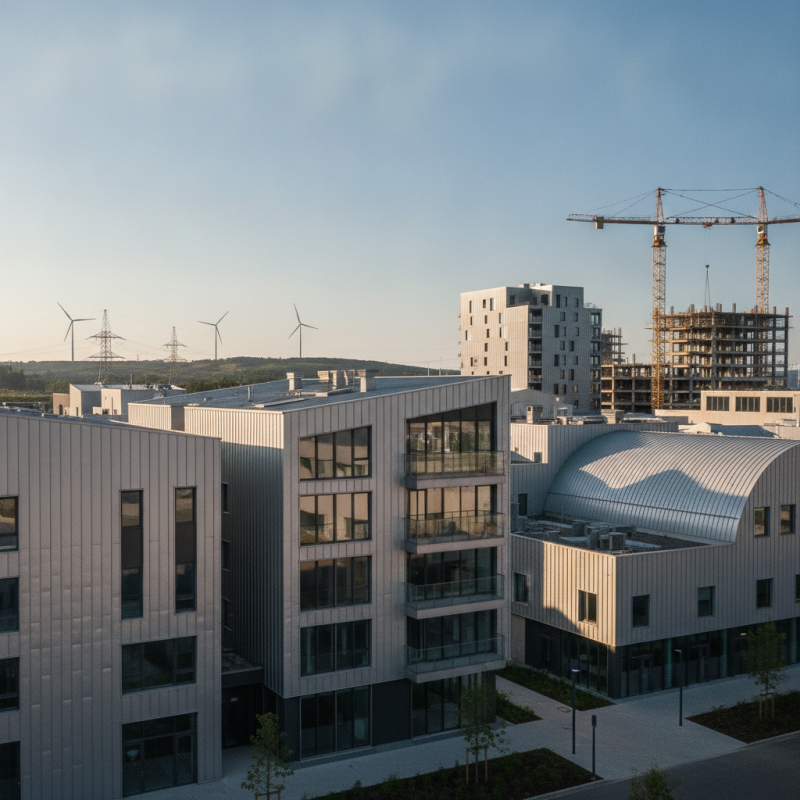
Advantages of Metal Construction Materials in Modern Building Projects
Metal construction materials offer numerous advantages in modern building projects. They are known for their durability, making them a preferred choice for various structures.
Steel and aluminum resist many environmental factors that can damage other materials over time. This longevity reduces maintenance costs and time needed for repairs.
Another key benefit is the design flexibility that metal provides. Architects appreciate its versatility, allowing for innovative designs. With the ability to form complex shapes, metal enhances aesthetic appeal. It can integrate seamlessly with other materials like glass and wood. This creates a modern look that many buyers desire.
However, challenges exist. Initial costs for metal materials can be higher than alternatives. Budgeting must account for this. Additionally, the energy-intensive process of manufacturing metal raises environmental concerns. It is essential to weigh these factors carefully. Buyers should work with experts to ensure that metal construction aligns with their goals and sustainability practices.
Durability and Longevity: Why Metal Stands the Test of Time
Metal construction materials offer exceptional durability and longevity, making them a smart choice for many buyers. According to a report from the Metal Construction Association, metal roofs can last up to 50 years with proper maintenance. This is considerably longer than traditional roofing materials, which often need replacement every 20 years. The resistance to rust and corrosion further enhances their lifespan, particularly in harsh climates.
In addition to longevity, metal structures fare well under extreme conditions. They exhibit high resistance to wind, fire, and pests. A study by the National Institute of Standards and Technology shows that metal buildings can withstand winds exceeding 140 miles per hour. This performance can reduce long-term repair costs significantly. However, initial costs can be high, which may be a concern for budget-conscious buyers.
It's important to keep in mind the environmental impact of metal production. Recycling rates for metal materials are high, but the energy involved in the manufacturing process can raise questions about sustainability. Thoughtful consideration is necessary to weigh the benefits against potential drawbacks. These aspects shape the conversation around metal construction materials and their overall value in the market.
Cost Efficiency: How Metal Reduces Overall Construction Expenses
Metal construction materials are becoming increasingly popular due to their cost efficiency. One major advantage is their reduced waste. When using metal, builders can minimize excess materials, cutting down on expenses. This can lead to significant savings throughout the entire project, particularly in large-scale constructions. Moreover, metal's durability reduces future repair costs. Unlike wood, metal structures are less prone to damages from weather or pests.
Another aspect is the speed of installation. Pre-fabricated metal components can be quickly assembled, which shortens the overall construction timeline. This efficiency can lead to lower labor costs and faster project completion. Homeowners and builders alike benefit from this time-saving factor. Though the initial investment for metal may seem higher, the long-term savings on maintenance and energy efficiency often outweigh the upfront cost.
However, it’s crucial to consider potential downsides, such as insulation challenges. Metal can conduct heat, which might lead to higher energy costs if not properly managed. Overall, while metal construction has notable benefits, careful planning and consideration are essential to fully leverage its advantages.
Design Flexibility: The Versatility of Metal in Architectural Styles
Metal construction materials offer remarkable design flexibility, allowing architects to experiment with various styles. This versatility has become increasingly important in contemporary architecture. According to the McGraw-Hill Construction SmartMarket Report, over 40% of architects consider design flexibility a top priority. Metal can easily adapt to different aesthetic needs, from sleek modern buildings to traditional structures.
Incorporating metal allows for innovative shapes and structures. For instance, a steel frame can support large open spaces, enabling the creation of dynamic layouts. Data from the American Institute of Steel Construction shows that buildings utilizing metal frames can be 20% lighter than those made from conventional materials, providing an edge in terms of both cost and efficiency. These statistics reinforce the practical benefits of choosing metal.
Tip: When designing with metal, consider how it interacts with light and space. Reflective surfaces can enhance natural light, making interiors brighter and more inviting.
However, achieving the desired aesthetic requires careful planning. Some may find metal too industrial or cold if not managed well. Balancing metal elements with warmer materials, such as wood or brick, can lead to a harmonious design.
Tip: Experiment with different finishes and colors to personalize metal features. This exploration can elevate the overall impact of your project.
Sustainability: The Eco-Friendly Benefits of Metal Materials
The construction industry faces growing pressure to adopt eco-friendly practices.
Metal materials stand out as a sustainable choice.
They can be recycled repeatedly without losing strength. This reduces the need for new resources, minimizing environmental strain. Using recycled metal also conserves energy and cuts down on carbon emissions.
Metal's durability is another significant benefit. It withstands harsh weather and heavy usage. This longevity leads to less frequent replacements. Fewer replacements mean less construction waste.
However, it is essential to consider the energy used in metal production. Striking a balance between sustainability and resource use is crucial.
The adaptability of metal materials adds to their appeal. They fit various building styles and functions. This versatility can lead to innovative designs that conserve resources. While metals undeniably offer eco-friendly advantages, it’s vital to engage in responsible sourcing and manufacturing practices. Awareness of these challenges can drive the industry toward smarter, greener choices.
FAQS
: Metal reduces waste, minimizing excess materials and cutting down expenses, leading to significant savings in large-scale projects.
Metal's durability means it's less prone to weather or pest damage, resulting in lower future repair costs compared to wood.
Pre-fabricated metal components allow for quicker assembly, reducing construction time and lowering labor costs significantly.
Yes, metal can conduct heat, potentially raising energy costs if insulation is not managed well during construction.
Metal adapts easily to different styles, allowing for innovative shapes and structures in contemporary architecture.
If not managed well, metal can appear too industrial or cold; combining it with warmer materials can achieve a harmonious look.
Metal can be recycled repeatedly, conserving resources, reducing environmental strain, and minimizing construction waste.
Metal withstands harsh conditions, leading to less frequent replacements, which ultimately reduces construction waste and resource use.
Engaging in responsible sourcing and manufacturing practices is vital to ensure sustainability and reduce environmental impact.
Experimenting with different finishes and colors can personalize metal features, elevating the overall aesthetic impact of a project.
Conclusion
Metal construction materials offer numerous advantages that make them highly sought after in modern building projects. One of the key benefits is their durability and longevity; metal is known for its ability to withstand harsh weather conditions and resist corrosion, ensuring that structures remain strong over time. Cost efficiency is another significant advantage, as using metal can reduce overall construction expenses through lower maintenance costs and faster build times. Additionally, metal provides remarkable design flexibility, allowing architects to create innovative and versatile structures that cater to various aesthetic preferences.
Another important aspect to consider when exploring what are the benefits of metal construction materials is their sustainability. Metal is often recyclable, making it an eco-friendly choice that aligns with modern environmental goals. Overall, these factors position metal construction materials as a smart investment for buyers looking to combine strength, efficiency, and aesthetic appeal in their projects.
 BLS Structural Steel
