BLS Structural Steel
The steel fabrication industry is vital for many sectors worldwide. In 2026, understanding what are common steel fabrication methods becomes essential for global buyers. Various techniques exist, each with unique applications and benefits. These methods contribute significantly to diverse projects, from construction to manufacturing.
Common techniques include welding, machining, and cutting. Each method has distinct advantages that influence project outcomes. For instance, welding is crucial for strong, durable joints. Machining offers precision, while cutting allows for efficient material use. However, challenges arise with each of these methods. Buyers must be aware of potential issues, such as equipment limitations and skill gaps.
Evaluating these methods demands expertise and knowledge of materials. Buyers should consider their specific needs when selecting fabrication processes. Reflecting on these common steel fabrication methods is key to making informed decisions. Understanding both strengths and limitations aids in improving project efficiency and quality.
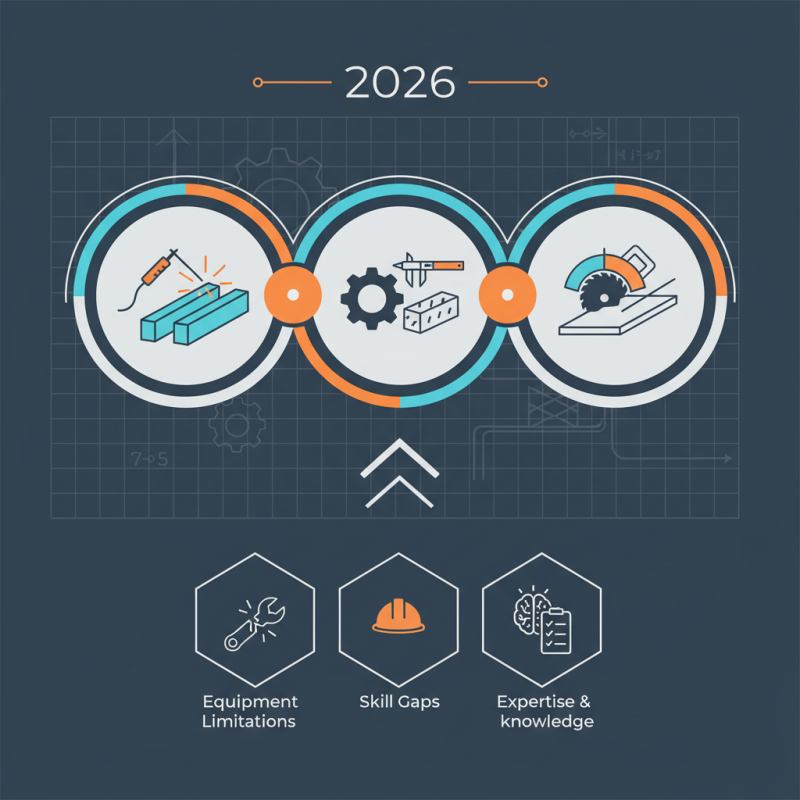
Steel fabrication is essential for various industries. Understanding the methods available can help global buyers make informed decisions. Techniques such as welding, cutting, and machining are fundamental in developing steel products. Each method offers unique advantages that can cater to different project needs.
Welding is a key technique. It involves joining steel pieces through heat, creating strong bonds. Common types include MIG and TIG welding. Cutting methods like plasma and laser are efficient for precise shapes. Meanwhile, machining refines steel components for exact specifications, ensuring high quality.
Tips: Assess your project requirements carefully. Choose a method that matches the desired strength and precision. Also, consider the environmental impact. Sustainable practices in steel fabrication are becoming crucial. Flexibility in methods can lead to innovative solutions, but one must remain critical. Always ask questions about techniques and materials. This helps foster understanding and reliability in sourcing decisions.
In 2026, steel fabrication methods are evolving rapidly, driven by technological advancements and market demands. A comparative analysis reveals key differences in techniques such as welding, laser cutting, and CNC machining. According to a recent industry report, the global steel fabrication market is projected to grow by 5.9% annually. These shifts reflect the increasing need for precision and efficiency.
Welding remains the most common method. It accounts for about 50% of steel fabrication processes. Laser cutting is gaining ground, known for its speed and accuracy. It reduces material waste, making it an eco-friendlier option. CNC machining also stands out, offering unparalleled precision. However, these methods come with challenges. For instance, laser cutting requires high energy input, leading to increased operational costs.
Tips: When selecting a fabrication method, assess the complexity of your project. Evaluate if the benefits outweigh the costs. Continuous training for operators is essential for optimal results. Production efficiency can improve with skilled personnel. Consider alternative methods that may offer better efficiency or cost-effectiveness. Reassessing your approach regularly can yield significant improvements.
| Fabrication Method | Advantages | Disadvantages | Applications |
|---|---|---|---|
| Laser Cutting | High precision, minimal heat-affected zone | High initial cost | Complex shapes, automotive components |
| Plasma Cutting | Fast and cost-effective for thick materials | Lower precision compared to laser cutting | Heavy equipment, structural steel |
| Welding | Strong joints, versatility in materials | Skill-dependent, potential for warping | Construction, pipeline fabrication |
| Bending | Efficient for forming shapes, cost-effective | Limited to certain materials and thicknesses | Frames, brackets, and support structures |
| Casting | Highly flexible shapes, good for bulk production | Lower strength in some designs | Machine parts, architectural elements |
Modern steel fabrication processes offer several advantages that appeal to global buyers. These methods enhance precision and efficiency, leading to higher quality products. Techniques such as laser cutting and robotic welding allow for intricate designs that were previously hard to achieve. This technology not only speeds up production but also minimizes material waste.
Tips: Always evaluate the production capabilities of your supplier.
Ask for samples to ensure their work meets your standards.
Another key benefit is improved safety in the workplace. Automation reduces human error and minimizes accidents. Workers can focus on oversight rather than manual tasks, which enhances overall productivity. However, transitioning to advanced methods can require significant investment and training.
Tips: Consider starting with hybrid methods. Blend traditional techniques with modern processes for a smoother transition. Evaluate your team’s readiness for new tools.
Recent innovations in steel fabrication are shaping the future of the industry. One noticeable trend is the integration of advanced technology. Automation and robotics are increasingly being utilized in production lines. This shift improves efficiency and reduces human error. However, the training for skilled workers remains an essential need.
Another emerging trend is the incorporation of sustainability practices. More companies are focusing on eco-friendly methods of steel fabrication. They are investing in recycling techniques and reducing waste. This approach not only helps the environment but can also reduce long-term costs. Yet, the transition to greener practices can be challenging and requires time.
Data insights reveal that precision in steel fabrication is vital. Utilizing computer-aided design (CAD) enhances accuracy. This method leads to more significant savings and higher quality of output. Nevertheless, there is still a learning curve associated with these technologies. The industry must adapt continually to maintain its competitive edge.
The global market for steel fabrication is witnessing significant demand. This surge is driven by the need for durable infrastructure. Across various sectors, from construction to automotive, steel remains a preferred material. According to recent statistics, the market is projected to grow steadily over the next few years. By 2026, the demand for fabricated steel products is expected to rise significantly.
However, this growth does not come without challenges. Many companies struggle with the efficiency of their fabrication processes. Quality control can often be inconsistent, impacting project timelines and costs. Additionally, the environmental impact of steel production is under scrutiny. Sustainable practices are becoming essential to meet regulatory demands and consumer expectations. Embracing innovative technologies in steel fabrication could help address these concerns, but it requires investment and expertise.
As we look ahead, the importance of skilled labor cannot be overlooked. Training and development are critical to maintaining productivity and quality in fabrication. Companies must adapt to changing market needs while ensuring that their workforce is prepared. The balance between growth and sustainability in the steel fabrication sector poses ongoing questions for stakeholders. Continuous assessment is vital for long-term success.
: The primary methods include welding, laser cutting, and CNC machining. Each has its unique advantages and challenges.
Laser cutting is favored for its speed and accuracy. It minimizes material waste, making it an environmentally friendly choice.
Laser cutting often requires high energy input. This can lead to increased operational costs for manufacturers.
Evaluate the complexity of your project. Consider if the benefits justify the costs associated with each method.
Skilled personnel can significantly improve production efficiency. Continuous training ensures optimal results in fabrication processes.
Transitioning to advanced techniques often requires substantial investment and comprehensive training for the workforce.
Automation reduces human error and enhances safety. Workers focus more on oversight, which increases overall productivity.
Sustainable methods can lower long-term costs and help the environment. However, transitioning can take time and effort.
Computer-aided design (CAD) plays a crucial role in increasing accuracy, leading to cost savings and higher quality output.
Start with hybrid methods by blending traditional and modern techniques. Evaluate your team’s readiness for these new tools.
The article titled "2026 Best Common Steel Fabrication Methods for Global Buyers" provides a comprehensive overview of various steel fabrication techniques relevant to global markets. It highlights what are common steel fabrication methods utilized today, comparing their efficiencies and applications in various sectors. The analysis reflects the key advantages of modern processes, emphasizing their cost-effectiveness and adaptability to diverse project needs.
Additionally, the piece discusses recent innovations and trends in steel fabrication, supported by data insights, which showcase the evolving landscape of this industry. The article also reviews global market demand for steel fabrication, presenting statistics and projections that underline its significance in meeting future construction and manufacturing needs.
