BLS Structural Steel
Rusting is a significant issue for the steel industry, impacting both safety and costs. According to a report by the National Association of Corrosion Engineers (NACE), corrosion costs U.S. industries over $276 billion annually. This staggering figure highlights the urgent need for effective strategies on how to prevent steel from rusting.
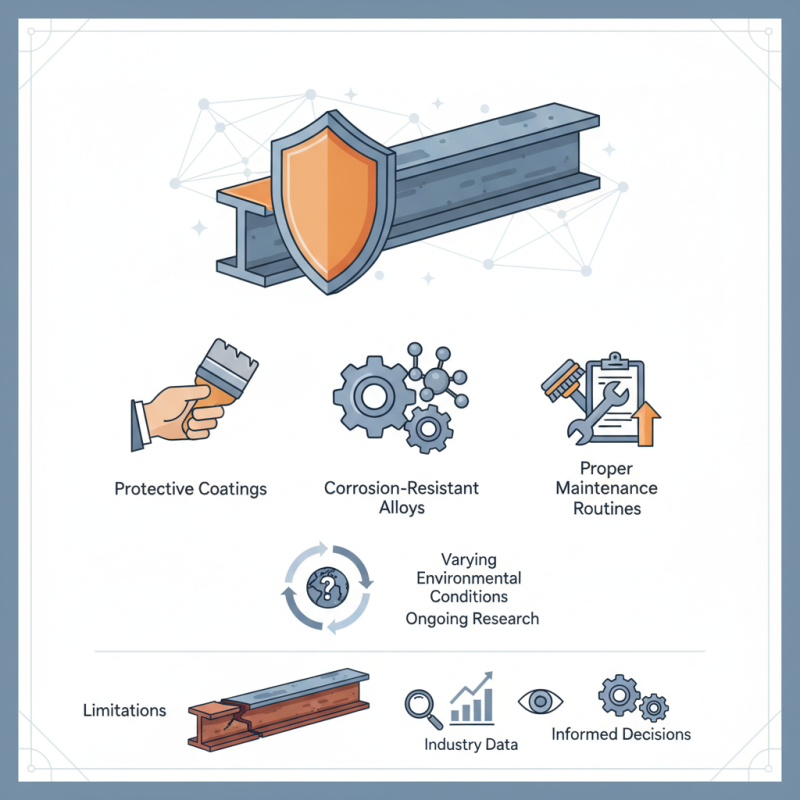
Preventing rust not only extends the lifespan of steel but also ensures structural integrity. Professional recommendations often include applying protective coatings, utilizing corrosion-resistant alloys, and implementing proper maintenance routines. Each technique has its advantages, but there is no one-size-fits-all solution. For instance, varying environmental conditions can affect the effectiveness of certain methods. This complexity requires ongoing research to refine our approaches continually.
It’s essential to remember that while many preventative measures exist, none offer complete protection. Steel can still corrode despite our best efforts. Therefore, understanding the limitations and continually assessing our strategies is fundamental. Making informed decisions through reliable industry data is crucial for effective rust prevention.
Steel corrosion can lead to significant economic losses. According to a study by NACE International, corrosion costs the U.S. economy over $300 billion annually. Effective prevention demands a multi-faceted approach. Regular maintenance and protective coatings stand out as crucial methods for safeguarding steel structures. Protective coatings, such as epoxies and polyurethanes, create a barrier against moisture and chemical exposure.
In addition to coatings, cathodic protection is vital. This method involves applying a small electric current to counteract the corrosive effects of the environment. According to the Corrosion Technology magazine, up to 70% of corrosion-related issues can be mitigated using this technique. Proper surface preparation prior to applying any protective measures cannot be overlooked. Ideally, surfaces should be free of rust and debris to ensure maximum adhesion and effectiveness.
Environmental factors play a critical role in corrosion rates. High humidity and salt exposure drastically increase the speed of corrosion. Using corrosion inhibitors can be effective in areas prone to environmental stressors. However, these inhibitors may not always provide complete protection, leading to potential failures down the line. Maintaining a watchful eye on these components will help identify wear before it becomes a larger issue. This proactive approach is necessary to ensure the longevity of steel structures.
Rust formation in steel is a complex electrochemical process. When steel is exposed to moisture and oxygen, iron within the steel reacts to form iron oxide, commonly known as rust. This reaction occurs due to the presence of electrolytes, often found in environmental pollutants. Understanding this mechanism is crucial for implementing effective preventive measures.
Tips: Use a protective coating. Regularly inspect steel surfaces for scratches. These damages can expose the raw metal, accelerating rust formation.
Additionally, environmental factors play a vital role. High humidity and salt exposure can dramatically increase rusting rates. Industry reports indicate that coastal areas see up to 50% more corrosion compared to inland sites. This highlights the importance of location in corrosion management.
Tip: Keep steel surfaces clean and dry. Apply desiccants in environments prone to moisture. Moisture control is key in preventing rust.
In practical scenarios, resource constraints may limit the effectiveness of rust prevention methods. While some techniques may require significant investment, they could improve safety and extend the lifespan of steel structures. Therefore, assessing budget and corrosion risks is necessary for optimal prevention strategies.
| Method | Description | Effectiveness | Cost |
|---|---|---|---|
| Galvanization | Coating steel with a layer of zinc to prevent rust. | High | Medium |
| Painting | Applying paint to create a barrier against moisture. | Moderate | Low |
| Powder Coating | Using dry powder to create a hard protective finish. | High | High |
| Stainless Steel | Using steel alloyed with chromium to prevent corrosion. | Very High | Very High |
| Corrosion Inhibitors | Chemical additives that reduce corrosion rates. | Moderate | Medium |
Protective coatings play a vital role in preventing rust on steel. They act as barriers against moisture, oxygen, and environmental pollutants. But not all coatings are created equal. There are several types available, each with varying efficacy in rust prevention.
One popular option is epoxy coatings. They form a hard, durable layer that withstands harsh conditions. Yet, their application can be complex. Proper surface preparation is crucial for adhesion. Without it, the coating may fail, leading to rust formation.
Another choice is galvanization. This process involves coating steel with zinc. It provides sacrificial protection. However, galvanization may not be ideal for all applications. It can add weight and alter the appearance of the steel.
Tips: Regular maintenance is essential, even with protective coatings. Inspecting for wear and damage helps catch issues early. Additionally, consider reapplying coatings periodically. This boosts their effectiveness and prolongs the life of the steel structure. Explore multiple coating options before deciding. What works well for one project might not suit another.
Galvanization and cathodic protection are two prevalent methods to prevent steel from rusting. Galvanization involves coating steel with zinc. This zinc layer acts as a sacrificial anode. Research shows that galvanized steel can last up to 70 years in certain environments. The zinc oxide formed on the surface protects the steel beneath. However, the thickness of the zinc coating can vary, and improper application might lead to early corrosion.
On the other hand, cathodic protection works by applying a direct current to the steel structure. By doing so, the steel becomes the cathode in an electrolytic cell. Studies suggest that cathodic protection can reduce corrosion rates by up to 90%. This method is highly effective for submerged or buried structures, such as pipelines. However, it requires constant maintenance, which can lead to increased operational costs.
Both methods have their advantages and limitations. Galvanization is straightforward but can wear down over time. Cathodic protection offers superior long-term effectiveness but may necessitate complex systems. Understanding these trade-offs is crucial for engineers and industries to select the most suitable rust prevention technique.
Steel rusting is significantly influenced by environmental factors.
Moisture, temperature, and air quality all play crucial roles.
High humidity levels accelerate the oxidation process, leading to faster rust development.
For instance, coastal areas with saltwater can speed up corrosion due to salt exposure.
Temperature fluctuations also contribute to rusting.
Metal heats up during the day and cools down at night, creating condensation.
This cycle invites moisture to form on the surface. Various pollutants in the air, like
sulfur dioxide, react with moisture, forming acids that further corrode steel.
Effective prevention against rusting requires addressing these environmental factors.
Applying protective coatings can create barriers against moisture.
Regular maintenance and inspections are key to identifying early signs of rust.
However, ensuring complete protection remains a challenge.
Many solutions require consistent application and monitoring, which may be overlooked in busy environments.
Reflections on these methods show that while strategies may exist, their implementation is often inconsistent.
: Rust forms when steel reacts with moisture and oxygen, creating iron oxide.
Use a protective coating and regularly inspect for scratches to maintain the surface.
High humidity and salt exposure in coastal regions accelerate corrosion significantly.
Pollutants like sulfur dioxide create acids when mixed with moisture, leading to increased steel corrosion.
Galvanization coats steel with zinc; cathodic protection uses electric current to reduce corrosion.
Cathodic protection can lower corrosion rates by up to 90%, especially for submerged structures.
Galvanization can wear down, while cathodic protection requires ongoing maintenance and can be costly.
Many protective methods require consistent monitoring and application, which can be neglected in busy settings.
Temperature fluctuations create condensation, inviting moisture that accelerates rust formation on steel.
Effective tactics can be costly; evaluating budget against corrosion risks helps in selecting suitable methods.
The process of how to prevent steel from rusting involves a combination of best practices and understanding the underlying mechanisms of corrosion. Rust formation in steel can be attributed to environmental factors such as moisture and oxygen exposure. To effectively mitigate these risks, the application of protective coatings is advisable, with various types available that offer differing levels of efficacy in rust prevention.
Additionally, methods like galvanization and cathodic protection present viable solutions for enhancing steel durability. Galvanization involves coating steel with zinc to create a protective barrier, while cathodic protection utilizes electrochemical processes to prevent corrosion. Understanding these techniques, along with environmental influences on rusting rates, can significantly contribute to maintaining steel's integrity and longevity in various applications.
