BLS Structural Steel
In a globalized market, understanding what certifications steel manufacturers should have is crucial. Steel is a fundamental material in construction and industry. Its producers face strict requirements from international buyers. According to Mark Anderson, a steel industry expert, “Certifications are not merely paperwork; they ensure quality and reliability.” Such certifications can significantly impact a manufacturer's capacity to compete.
Certifications like ISO 9001 and ISO 14001 are essential for creating trust. They demonstrate a commitment to quality management and environmental responsibility. However, some manufacturers still struggle with compliance. It can be an overwhelming process for smaller firms. They may lack resources or knowledge necessary to achieve these certifications.
A lack of understanding about what certifications steel manufacturers should have can lead to missed opportunities. Buyers prioritize certified manufacturers to mitigate risks. Thus, it is vital for manufacturers to be well-informed. They must recognize the importance of certifications to thrive in a competitive landscape. Ensuring compliance is not just about meeting standards; it's about securing a market presence.
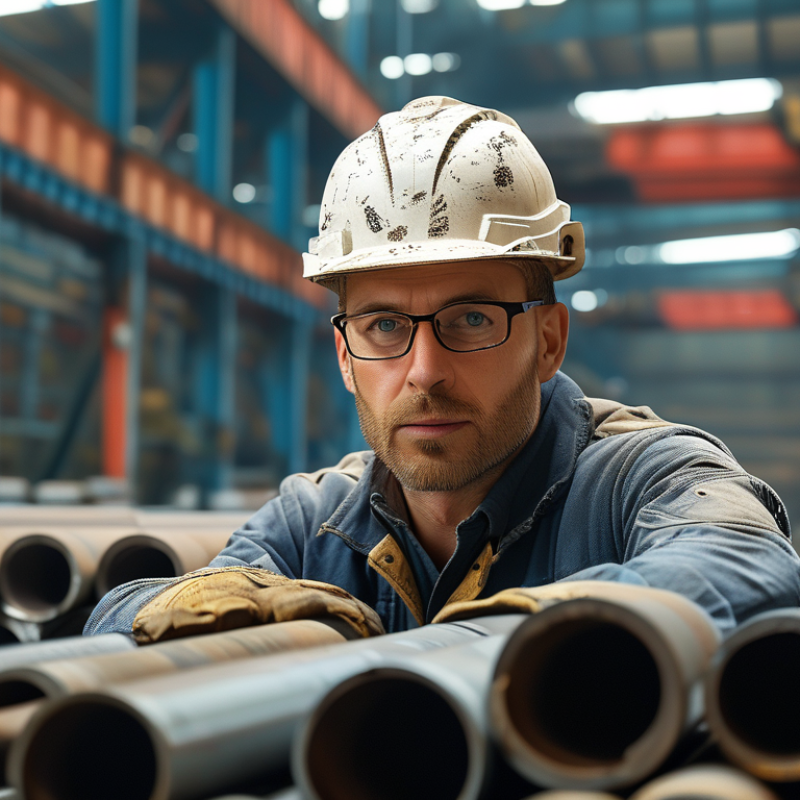
In the global steel market, certifications play a crucial role. Manufacturers must meet various standards to gain trust from buyers. One essential certification is ISO 9001. This standard focuses on quality management systems. It ensures that manufacturers consistently provide quality products. Another important certification is ISO 14001. This certification addresses environmental management. It demonstrates a manufacturer’s commitment to sustainability.
Safety certifications are also vital. The Occupational Safety and Health Administration (OSHA) compliance signifies a safe working environment. This compliance reassures buyers about the manufacturer’s safety practices. Additionally, CE marking is important for companies selling in Europe. It verifies that the product meets health and safety requirements.
However, obtaining these certifications is not always straightforward. Many manufacturers struggle to keep up with evolving standards. Some may even overlook the importance of certain certifications. This can lead to missed opportunities in the global market. Building a reputation requires continuous effort and adaptation. Manufacturers must invest time in understanding and meeting certification requirements.
ISO 9001 is essential for steel manufacturers aiming to meet global buyer standards. This certification provides a solid framework for quality management. It helps ensure that every stage of production meets strict quality criteria. A focus on continuous improvement is a core principle. Manufacturers can identify weaknesses and enhance processes.
Quality management isn’t just about meeting regulations. It reflects a company's commitment to excellence. Steel produced under ISO 9001 standards enjoys higher credibility. Buyers often prefer certified products. An effective quality management system tracks defects and customer feedback. This creates opportunities for improvement and builds customer trust.
However, achieving ISO certification can be challenging. Companies need comprehensive training for staff. Some may struggle with the documentation process. Issues may arise in aligning existing practices with international standards. The journey towards certification often reveals gaps in capability. Addressing these gaps can lead to better production practices.
ISO 14001 certifications focus on effective environmental management within manufacturing. Steel manufacturers face increasing pressure to adopt sustainable practices. According to a report by the World Steel Association, around 18% of global greenhouse gas emissions come from steel production. This statistic urges companies to streamline their environmental strategies.
Obtaining ISO 14001 can demonstrate a commitment to reducing environmental impact. Successful certification requires strict compliance with environmental regulations. Manufacturers need continuous monitoring of their operations to achieve the necessary standards. However, not all companies meet these requirements efficiently. Some struggle with documentation and process adjustments. This can lead to temporary failures in maintaining certification.
An effective environmental management system contributes to competitive advantage. It enhances a manufacturer’s image and can attract global buyers who prioritize sustainability. Furthermore, firms with ISO 14001 report a 30% improvement in operational efficiency. Embracing this certification can pave the way for future innovations in the steel industry. However, many organizations do not yet realize its full potential.
| Certification Type | Description | Benefits | Applicable Standards |
|---|---|---|---|
| ISO 14001 | Environmental Management System requirements for organizations aiming to improve environmental performance. | Enhances company reputation, compliance with regulations, and reduces waste. | ISO 14001:2015 |
| ISO 9001 | Quality management systems that help organizations consistently deliver products that meet customer and regulatory requirements. | Increases efficiency, ensures quality, and improves customer satisfaction. | ISO 9001:2015 |
| ISO 45001 | Occupational health and safety management to reduce workplace risks and improve employee safety. | Reduces workplace incidents, improves employee morale, and demonstrates safety commitment. | ISO 45001:2018 |
| ISO 50001 | Energy management systems to help organizations improve energy efficiency and reduce environmental impact. | Reduces energy costs, minimizes environmental impact, and improves operational efficiency. | ISO 50001:2018 |
In the steel manufacturing sector, health and safety certifications are essential. According to a report by the World Steel Association, over 120,000 injuries occurred in the manufacturing sector globally in 2021. This statistic highlights the critical need for stringent safety protocols.
Certifications like ISO 45001 are vital. They ensure companies have effective occupational health and safety management systems. Implementing such standards can reduce workplace accidents by up to 30%. Many manufacturers still struggle to meet these requirements. Some lack awareness of best practices. Others may not prioritize employee welfare as a core value.
Moreover, compliance with Occupational Safety and Health Administration (OSHA) regulations is often non-negotiable. Regular audits help maintain safety standards. However, some manufacturers view these audits as mere checkboxes. A shift in mindset is needed. Safety should be a foundational element, not an afterthought. Solid certifications not only protect workers but also build trust with global buyers. They indicate a commitment to quality and safety in the steel industry.
In the competitive landscape of steel manufacturing, regional certifications play a crucial role in gaining the trust of global buyers. Each market has its own certification requirements. Manufacturers must adapt to varying standards, such as those established by the European Union, North America, and Asia. Compliance with these standards ensures the steel products meet safety and performance expectations. However, navigating these diverse regulations can be challenging.
Understanding regional certifications is essential for entering international markets. In some regions, documentation is straightforward, while in others, it can be complex and lengthy. Steel manufacturers need to remain vigilant about changes in regulations. Ignoring regional compliance can result in lost opportunities or even penalties. Continuous education and updating certifications are vital for maintaining a competitive edge. Buyers are increasingly demanding proof of compliance, and any gaps can raise red flags.
Steel manufacturers might face difficulties in meeting certification requirements. Resources may be limited, especially for smaller firms. Overlooking specific criteria can hinder market access. Still, prioritizing compliance fosters reliability and builds credibility with buyers. Companies should consider the certification process a long-term investment. Embracing local standards not only enhances marketability but also supports overall business growth.
: ISO 9001 is a quality management standard designed for steel manufacturers. It helps meet global buyer standards.
Achieving ISO 9001 improves production quality and enhances buyer trust. Certified products generally have higher credibility.
Many companies struggle with documentation and aligning practices with standards. It can reveal capability gaps in their processes.
ISO 14001 emphasizes effective environmental management in manufacturing. It helps reduce a company's environmental impact.
Firms with ISO 14001 often report a 30% increase in efficiency. This certification can enhance overall competitiveness.
Understanding regional certifications is vital for global market access. Compliance ensures products meet safety and performance expectations.
Documentation requirements can vary significantly. Some companies find it challenging to navigate the differing regional regulations.
Staying updated on regulations helps maintain compliance. It protects manufacturers from penalties and enhances credibility with buyers.
Having ISO 14001 boosts a manufacturer's reputation. It shows a commitment to sustainability, attracting buyers who prioritize these values.
Ignoring certification criteria can lead to lost market access. It may hinder growth opportunities and damage buyer trust.
In the global steel trade, understanding what certifications steel manufacturers should have is crucial for ensuring compliance and increasing market competitiveness. Essential certifications include ISO 9001, which outlines quality management standards vital for maintaining product integrity and customer satisfaction. Additionally, ISO 14001 certifications focus on environmental management practices that demonstrate a commitment to sustainability.
Health and safety certifications are also imperative, as they safeguard worker welfare and comply with industry regulations. Furthermore, regional certifications may be required to meet the specific compliance standards of international markets. By obtaining these certifications, steel manufacturers can not only enhance their operational credibility but also appeal to global buyers seeking reliable and responsible partners.
