BLS Structural Steel BLS Structural Steel

How to Choose Reliable Steel Suppliers for Global Sourcing?

Time:2026-06-22 Author:Mason
0%

Choosing reliable steel suppliers is crucial for businesses involved in global sourcing. Industry expert John Smith, a veteran in supply chain management, emphasizes, “Trust is the cornerstone of any successful supplier relationship.” With countless suppliers worldwide, entrepreneurs often struggle to determine who can meet their needs effectively.

When exploring how to choose reliable steel suppliers, consider their reputation. A supplier's track record speaks volumes. Check reviews and testimonies from other companies. Consistency in quality and delivery is vital for maintaining your production schedule. It is essential to evaluate certifications and compliance with industry standards. These details can reveal much about a supplier’s commitment to excellence.

Some companies might overlook cultural compatibility. This factor can impact communication and collaboration. In an interconnected world, suppliers must align with your business values. This alignment fosters trust and reliability over time. Ultimately, while many steel suppliers appear trustworthy, a deeper investigation will reveal their true capabilities. Relying solely on surface-level assessments can lead to costly mistakes.
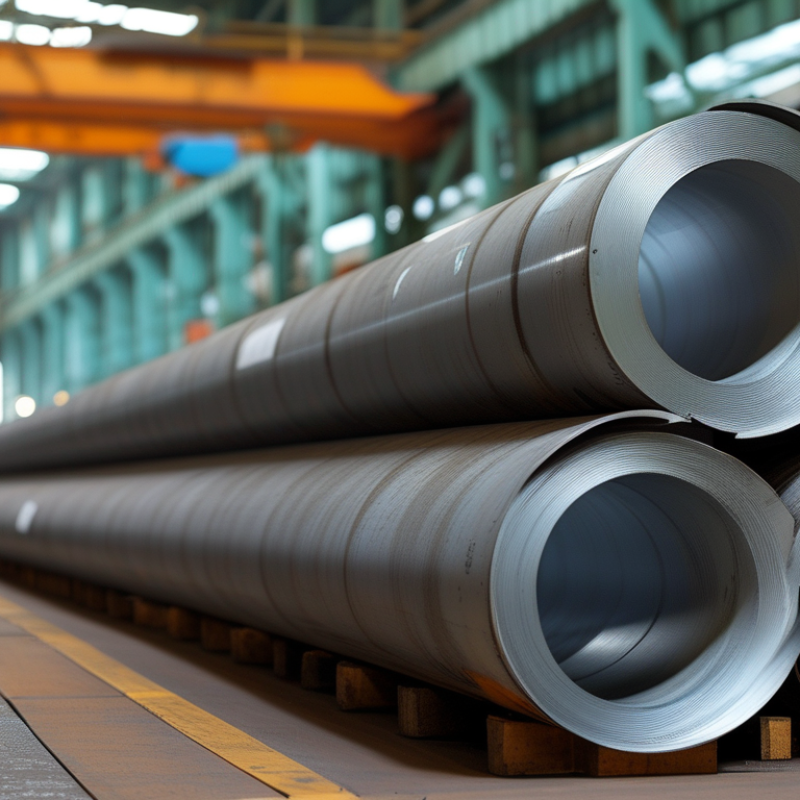
How to Choose Reliable Steel Suppliers for Global Sourcing?

Understanding the Importance of Reliable Steel Suppliers in Global Sourcing

When sourcing steel globally, selecting reliable suppliers is crucial. Steel supply chains are often complex and multi-layered. A 2022 report by McKinsey & Company highlights that disruptions in steel supply can lead to a 20% increase in costs for manufacturers. Reliability in suppliers ensures timely delivery and quality materials, fundamental in maintaining production schedules.

Quality standards should not be overlooked. Studies show that 30% of manufacturers have experienced delays due to subpar steel quality. It’s essential to focus on suppliers who demonstrate clear compliance with international standards like ISO 9001. This compliance indicates a commitment to quality management processes.

A robust supplier evaluation process is necessary. Many companies often struggle with inconsistent supplier performance. Consider factors like financial stability, production capacity, and past performance when making a decision. Regular assessment and feedback loops can help. Closing the gap between expectation and reality requires ongoing dialogue with chosen suppliers. In the end, the right partners can safeguard your business's supply chain integrity.

Identifying Key Criteria for Evaluating Steel Suppliers

Choosing reliable steel suppliers is crucial in global sourcing. To evaluate potential suppliers effectively, you must focus on key criteria. Begin with assessing their track record. Look for experience in the industry. Strong suppliers often have a history of successful projects and satisfied clients.

Next, consider quality certifications. Suppliers should possess relevant industry certifications. This demonstrates their commitment to meeting rigorous standards. Additionally, check their production capabilities. Suppliers with modern equipment can often deliver higher-quality steel.
Visiting factories can provide insights into their operations and quality control processes.

Finally, don't overlook communication. A reliable supplier responds quickly and clearly. Good communication fosters trust and helps resolve issues. Reflect on your experiences. Did previous suppliers measure up? Use those lessons to guide your choices.

Researching Supplier Reputation and Market Presence

When sourcing steel globally, supplier reputation is crucial. A trusted supplier guarantees quality and reliability. Start by researching the supplier’s market presence. Check their experience and industry standing. A supplier with a long track record often indicates stability and trustworthiness. Look for online reviews and testimonials from previous clients. Engaging with online forums or trade associations can reveal insights about suppliers.

Tips: Always verify certificates and accreditations. This adds an extra layer of credibility. Engage in conversations with past customers. Their experiences can provide valuable information that online reviews might miss. Consider the supplier's response time and customer service as indicators of their reliability.

Additionally, assess their production capabilities and delivery performance. Inconsistent deliveries can lead to project delays. Ask about their sourcing of raw materials. Suppliers committed to quality sourcing reflect strong industry ties. Shortlist suppliers based on due diligence, but remain open to feedback throughout the selection process. Each step should be treated as an area for reflection and improvement.

How to Choose Reliable Steel Suppliers for Global Sourcing?

Criteria Description Rating (1-5) Comments
Supplier Reputation Assess the history and reliability of the supplier. 4 Generally positive reviews from other customers.
Market Presence Evaluate the supplier's presence in the global market. 5 Strong presence in multiple countries.
Quality Standards Confirm the quality certifications held by the supplier. 5 Holds multiple international quality certifications.
Pricing Competitiveness Analyze the pricing structure compared to competitors. 4 Pricing is within market average.
Delivery Timeliness Check the supplier's reliability in meeting delivery schedules. 3 Occasional delays noted in reviews.

Assessing Quality Standards and Certifications in Steel Supply

When selecting steel suppliers for global sourcing, understanding quality standards and certifications is vital. Reliable suppliers often adhere to international standards, ensuring product reliability and safety. Look for certifications such as ISO 9001, which indicates quality management systems, and ASTM standards, ensuring material properties. These certifications reflect a commitment to quality and consistency that can impact your project's success.

Tips: Verify supplier claims by requesting documentation. This will help ensure that the products meet your specific quality requirements. Don’t hesitate to ask for references from other clients. Their experiences can influence your decision.

Not all suppliers may meet these standards. Some might have outdated certifications or a lack of transparency. Be cautious of those who cannot provide clear information about their quality processes. A thorough evaluation of their manufacturing practices reveals a lot about their capability and reliability. Engaging with suppliers to discuss their quality control measures is essential for building trust and ensuring product excellence.

Establishing Effective Communication and Partnership with Suppliers

Effective communication is pivotal when partnering with steel suppliers globally. Building trust starts with clear and consistent dialogue. Approach your potential suppliers with a well-structured plan. Share your requirements in detail. Be specific about quality standards and delivery timelines. This clarity will help set mutual expectations right from the start.

Regular check-ins can prevent misunderstandings. Schedule calls or video meetings to discuss ongoing projects. If issues arise, address them immediately. A good supplier appreciates transparency and responsiveness. Establishing open channels for feedback fosters a collaborative spirit. Remember, relationships take time to develop. Be patient and willing to adapt.

Consider leveraging technology for communication. Use digital tools to streamline information sharing. A shared platform can enhance visibility of project status. However, be wary of reliance solely on these tools. Sometimes, personal interaction is necessary to strengthen ties. Reflect on your communication style and adjust as needed. It’s an evolving process that requires commitment and flexibility.

FAQS

: Why is supplier reputation important when sourcing steel?

: A trusted supplier guarantees quality and reliability, making supplier reputation crucial.

How can I research a supplier's market presence?

Check their experience, industry standing, and look for online reviews and testimonials.

What role do past customer experiences play?

Engaging with past customers provides insights that online reviews may not fully cover.

Why should I verify certificates and accreditations?

Verifying these adds credibility and builds trust in your supplier's capabilities.

How can I assess a supplier's delivery performance?

Look for consistency in their deliveries to avoid potential project delays.

What is the importance of effective communication with suppliers?

Clear communication builds trust and helps set mutual expectations from the start.

Should I use technology for communication with suppliers?

Yes, but don’t rely solely on it. Personal interactions can strengthen relationships.

How often should I check in with my supplier?

Regular check-ins prevent misunderstandings and keep projects on track.

What should I do if issues arise with a supplier?

Address problems immediately and maintain transparency for better collaboration.

How can I improve my communication style?

Reflect on your interactions and be willing to adapt as necessary.

Conclusion

In today's competitive market, understanding how to choose reliable steel suppliers is crucial for successful global sourcing. A thorough evaluation process begins with recognizing the importance of suppliers who can consistently deliver quality materials. Key criteria for assessing potential suppliers include their reputation, market presence, and adherence to quality standards and certifications.

Additionally, conducting research into supplier backgrounds and establishing effective communication channels are essential for fostering strong partnerships. By focusing on these aspects, businesses can ensure they collaborate with steel suppliers who not only meet their technical requirements but also contribute to long-term success and reliability in the supply chain.

Mason

Mason

Mason is a seasoned marketing professional with a deep expertise in the company's offerings and a passion for driving brand awareness. With a strong background in digital marketing strategies, he has an innate ability to connect with diverse audiences and effectively communicate product benefits.......