BLS Structural Steel BLS Structural Steel

How to Choose Steel for Your Construction Projects Guide?

Time:2026-05-07 Author:Henry
0%

Choosing the right steel for construction projects is crucial. Understanding how to choose steel for construction projects can impact durability, safety, and overall project success. Whether you're constructing a residential building or a commercial complex, steel selection matters.

Different types of steel offer varying benefits. Structural steel provides strength and resilience. Reinforcing steel is essential for foundation work. Carbon steel may be suitable for temporary structures. Yet, the wrong choice can lead to costly issues. It is vital to consider the project environment and load requirements carefully.

Expert advice can help navigate these decisions. But it's also important to reflect on past mistakes. Perhaps a project used low-grade steel, leading to structural problems. Learning from such experiences improves future choices. A thorough understanding of how to choose steel for construction projects empowers builders to make informed decisions.
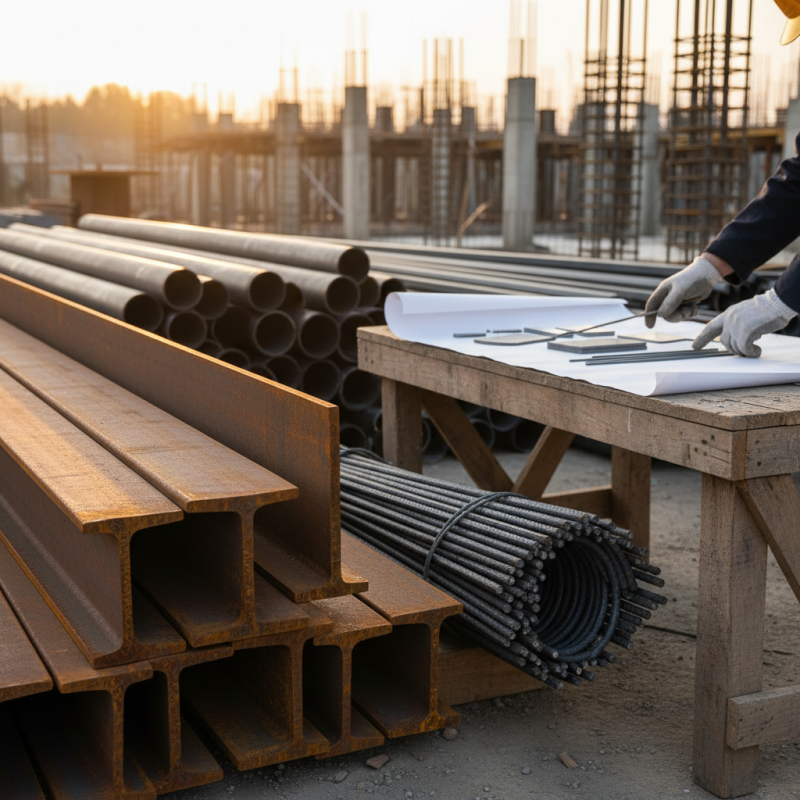
How to Choose Steel for Your Construction Projects Guide?

Understanding Different Types of Steel Used in Construction Projects

When selecting steel for construction projects, understanding the various types is crucial. Structural steel, often used in buildings, bridges, and infrastructure, offers high tensile strength. According to industry data, structural steel has a yield strength ranging from 235 MPa to 690 MPa. This strength ensures that structures can withstand both static and dynamic loads effectively.

Another critical type is stainless steel, recognized for its corrosion resistance. It contains chromium, giving it the ability to resist rust. Reports indicate that stainless steel can last over 50 years in marine environments. However, the cost is significantly higher than carbon steel, which raises questions about budget allocations.

Carbon steel remains a go-to for many applications due to its strength and affordability. However, its susceptibility to corrosion presents challenges in certain environments. This vulnerability can lead to structural failures if not addressed properly. Understanding these characteristics allows project managers to make informed choices, tailored to specific project needs. The choice of steel influences longevity, safety, and overall project viability.

Evaluating the Strength and Durability of Various Steel Grades

Selecting the right steel for construction is crucial. Different steel grades offer varying strength and durability. Structural steel, for instance, is known for its excellent tensile strength. According to the American Institute of Steel Construction, structural steel can achieve yield strengths ranging from 230 MPa to over 350 MPa. This makes it suitable for beams and columns in high-rise buildings.

Another important aspect is corrosion resistance. Stainless steel, with its unique alloy composition, provides enhanced durability in harsh environments. Reports from the International Stainless Steel Forum highlight that stainless steel can last over 50 years in marine conditions. However, its higher cost can be a significant drawback for some projects. Balance is key when evaluating the benefits and costs of different grades.

Working with steel also necessitates understanding its fatigue limits. Repeated stress can lead to failure, even in strong steel. Many engineers underestimate this factor, which can jeopardize structural integrity over time. Continuous education and attention to detail are essential in steel selection. The choice of steel directly influences the lifespan and safety of a project.

Assessing Cost-Effectiveness of Steel Options for Your Needs

When assessing the cost-effectiveness of steel options for construction, it's essential to consider the application and environment. The American Institute of Steel Construction (AISC) estimates that steel structures can reduce construction time by up to 30%. This efficiency often leads to lower labor costs and quicker project completion. However, the initial price of steel can fluctuate significantly due to market conditions, tariffs, and global supply chain issues.

Another critical aspect to assess is the total lifecycle cost of steel. According to the World Steel Association, steel has a recyclable rate of over 85%. This can lead to substantial savings in waste management and materials reuse, making it economically sensible in the long run. Consideration of weight and strength is also vital. High-strength steel can reduce the material quantity needed, resulting in cost savings, even if the upfront price is higher.

However, it's important to reflect on the trade-offs. While steel offers durability, it may require additional treatments, such as galvanization, to prevent corrosion. Evaluating these factors is vital for achieving overall cost-effectiveness. Balancing initial costs against long-term benefits can be a complex decision. Careful analysis of project requirements and local steel prices can help in making the right choice.

Cost-Effectiveness of Different Steel Options for Construction

This chart illustrates the cost-effectiveness of various steel options commonly used in construction projects. The cost per ton is compared against the tensile strength of each steel type, providing insights into selecting the most efficient material based on budget and structural requirements.

Considering Environmental Impact and Sustainability in Steel Selection

When selecting steel for construction, environmental impact and sustainability are crucial. Steel production is energy-intensive. The process releases significant carbon emissions. Thus, choosing environmentally friendly steel can mitigate these effects. Consider recycled steel as a primary option. Using recycled materials reduces energy consumption and decreases waste. This choice often leads to a lower carbon footprint in the overall project.

Additionally, examine the sourcing of raw materials. Ethical sourcing ensures that metal comes from responsible mining operations. The distance steel travels also affects its environmental impact. Locally sourced steel minimizes transportation emissions. Building relationships with suppliers who prioritize sustainability is vital. Understand that certified sustainable steel may come at a premium. Balancing cost and eco-friendliness can pose challenges.

Evaluating your project’s specific needs is essential. Every project may have different sustainability goals. Consulting with experts in sustainable construction methods can provide valuable insights. However, remain critical of claims related to sustainability across the industry. Continuous reflection on these choices is necessary to improve future projects.

Analyzing Project Requirements to Choose the Right Steel Specifications

When selecting steel for construction, assessing project requirements is crucial. Different projects demand varying steel characteristics. Factors such as tensile strength, corrosion resistance, and ductility matter. Knowing these requirements helps in making informed decisions.

Tips: Always consider the environment. Is your project located in a coastal area? Opt for corrosion-resistant steel. If you're dealing with high-stress loads, choose steel with higher tensile strength.

Not every construction scenario will fit into neat categories. Some projects may combine multiple steel types. Balancing cost with the necessary specifications can be challenging. Regularly reevaluate your choices. This will help refine your selection process and improve future projects.

Tips: Don’t overlook the importance of quality standards. Ensure any steel you select aligns with industry-approved specifications. Engage with professionals to validate your choices. This step is often underestimated but vital for longevity and safety.

FAQS

: What is structural steel used for?

: Structural steel is commonly used in buildings, bridges, and infrastructure due to its high tensile strength.

How long can stainless steel last in harsh environments?

Stainless steel can last over 50 years in marine conditions, thanks to its corrosion-resistant properties.

What are the main drawbacks of carbon steel?

Carbon steel is affordable but is susceptible to corrosion, which can lead to serious structural issues if not managed.

Why is understanding steel grades important?

Different steel grades offer varying strengths and durability, which directly impact project safety and lifespan.

How can project conditions affect steel selection?

The location and environment, like coastal areas, dictate the need for corrosion-resistant steel for lasting performance.

What factors should be considered when choosing steel?

Consider tensile strength, corrosion resistance, and ductility based on specific project requirements to make informed decisions.

How does repeated stress affect steel integrity?

Engineers often underestimate fatigue limits. Continuous stress can lead to failure, impacting overall structural integrity.

Why is regular reevaluation of steel choices beneficial?

Regularly reassessing your steel selection can improve future projects and ensure better quality and safety.

What role do industry standards play in steel selection?

Aligning steel choices with industry-approved specifications is vital for ensuring quality and project longevity.

How can project managers ensure they select the right steel?

Consulting with professionals and continuously educating oneself about steel characteristics is essential for informed decisions.

Conclusion

Choosing the right steel for your construction projects is crucial for ensuring the structural integrity and longevity of your builds. In understanding how to choose steel for construction projects, it is essential to explore the various types of steel available, each suited for different applications. Evaluating the strength and durability of different steel grades will help determine which options best meet your project's specific requirements.

Additionally, assessing the cost-effectiveness of these steel options, while considering their environmental impact and sustainability, is vital in making an informed decision. Analyzing your project’s unique requirements, including load-bearing needs and environmental conditions, will guide you in selecting the appropriate steel specifications that align with both performance expectations and budget constraints.

Henry

Henry

Henry is a dedicated marketing professional with a profound expertise in the company's offerings. With years of experience in the industry, he possesses an impressive understanding of the market dynamics and consumer behaviors that drive success. Henry is committed to sharing his insights through......