BLS Structural Steel BLS Structural Steel

How to Choose Steel for Your Construction Projects?

Time:2026-08-04 Author:Mason
0%

Choosing the right steel for construction projects is crucial. The global steel demand in construction reached approximately 1.7 billion metric tons in 2022. Many factors influence this decision. Different steel grades offer varying strengths, corrosion resistance, and cost. Understanding these characteristics is essential for optimal project outcomes.

When considering how to choose steel for construction projects, professionals often overlook critical aspects. The American Institute of Steel Construction highlights that improper selection can lead to structural failures. This not only affects safety but also increases project costs. It’s vital to analyze the specific requirements of each project.

Additionally, the environmental impact of steel must be acknowledged. Steel production emits significant CO2, with around 1.8 billion tons released in 2021. Choosing sustainably sourced steel can enhance project credibility. These complexities create a challenging landscape for decision-making. Proper guidance and knowledge are necessary to navigate effectively.
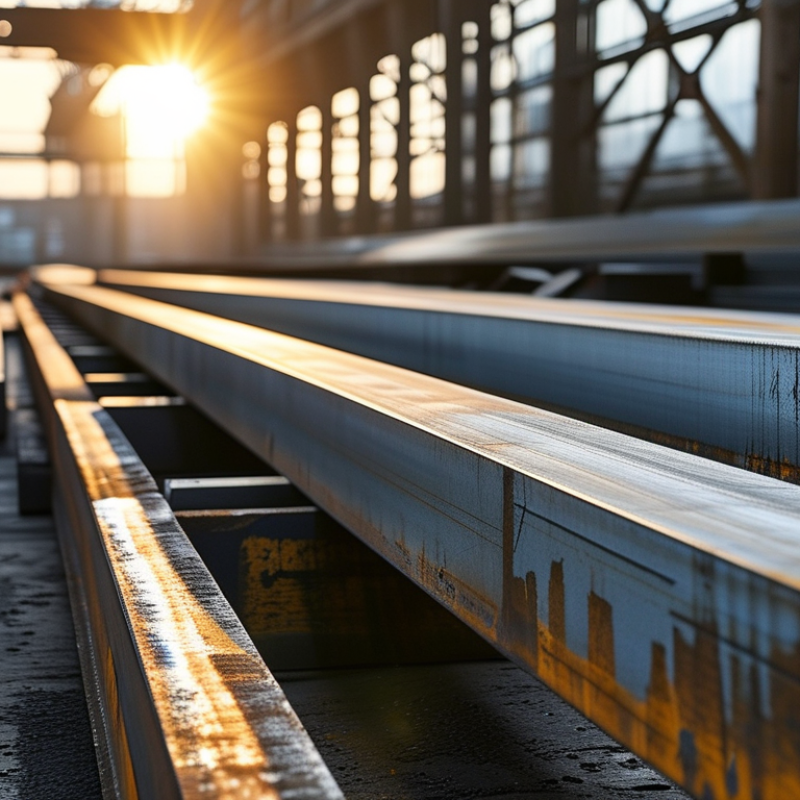
How to Choose Steel for Your Construction Projects?

Understanding Different Types of Steel Used in Construction

Choosing the right steel for construction projects is crucial. Different types of steel serve specific purposes. Structural steel, for instance, supports buildings. It is strong and durable, making it ideal for beams and columns. However, not all structural steel is the same. Some have higher carbon content, which enhances strength but can affect weldability.

Reinforcing steel, often known as rebar, offers additional strength to concrete structures. It is usually coated to resist corrosion, thus extending the life of buildings. Another common type is stainless steel, known for its resistance to rust and staining. It is often used in coastal areas but can be expensive.

It's essential to consider these details when selecting steel. Sometimes, lower-cost options may compromise quality. This could lead to future repairs or structural issues. Weighing the pros and cons is vital in this decision-making process. Each project has unique requirements, and understanding steel types can guide you toward the right choice.

Evaluating Strength and Durability Requirements for Your Project

When evaluating strength and durability requirements for your steel in construction, start by assessing the project’s specific needs. The environment plays a crucial role. Is the location prone to extreme weather? If so, the steel should withstand corrosion and changes in temperature. Identifying the load conditions is essential too. Will the steel support heavy machinery or resist pressure from the ground?

Strength is paramount. Consider yield strength and tensile strength ratings. These numbers indicate how much weight the steel can bear before it deforms. Also, evaluate the steel’s toughness. It should absorb energy and handle shock loads. The right composition will influence both strength and durability.

Remember, not all steel is created equal. Different grades possess various attributes. Understanding these distinctions requires research and experience. Consulting with a structural engineer can offer insights tailored to your project. Reflecting on past choices can improve future selections. Sometimes, the best option might not be the most obvious one. Consider all factors carefully to ensure a successful project outcome.

Considering Corrosion Resistance in Steel Selection

When selecting steel for construction, corrosion resistance is a critical factor. Corrosion can significantly shorten the lifespan of structural components. According to the Corrosion Costs and Preventive Strategies in the United States report, corrosion costs the U.S. economy over $276 billion annually. This figure underscores the importance of choosing the right materials.

One effective way to enhance corrosion resistance is by selecting stainless steel or weathering steel. These materials contain specific alloys that improve durability. For instance, stainless steel can withstand harsh environments, reducing maintenance costs. The analysis by the National Association of Corrosion Engineers highlights that using corrosion-resistant steel can decrease repairs and replacements by up to 70%. These reductions are crucial for managing project budgets.

However, corrosion resistance does not come without trade-offs. Choosing a higher-grade steel may increase initial costs. The longevity and lower maintenance may justify the expense, yet each project has unique financial constraints. It’s essential to weigh the long-term benefits against upfront costs. Factors, such as environmental conditions, should guide your decision. Balancing these aspects can be challenging but crucial for successful construction outcomes.

How to Choose Steel for Your Construction Projects? - Considering Corrosion Resistance in Steel Selection

Steel Type Corrosion Resistance Rating Typical Uses Cost per Ton (USD)
Carbon Steel Low General Construction, Reinforcement $600
Stainless Steel High Marine Structures, Kitchen Equipment $2500
Galvanized Steel Moderate Fencing, Roofing $800
Weathering Steel High Bridges, Outdoor Structures $1200
Alloy Steel Moderate Heavy Machinery, Automotive $900

Analyzing Cost Factors and Budget Constraints for Steel Choices

Choosing the right steel for construction can significantly impact a project's budget. It's essential to analyze cost factors thoroughly. Prices vary based on steel grades and sourcing. Factors like market demand, location, and tariffs influence costs. Understanding these variables can help make informed decisions that align with your budget.

Project specifications often dictate the type of steel needed. While higher grades offer durability, they come at a premium. Balancing quality and cost is challenging. A lower grade might save money initially but could lead to added maintenance. Consider lifecycle costs, including installation and potential repairs. Sometimes, an initial investment pays off in the long run.

Budget constraints often force tough choices. Many projects encounter last-minute financial reviews. Scrutinizing every aspect of steel usage is crucial. Alternative materials might seem attractive and less expensive. However, they could compromise strength or safety. Regularly revisiting cost analyses ensures that projects remain viable without sacrificing quality.

Cost Analysis of Different Steel Types for Construction Projects

The bar chart above illustrates the average cost per ton for different types of steel commonly used in construction projects. This data can help you analyze and choose the appropriate type of steel based on your budget constraints.

Identifying Environmental Impact and Sustainability of Steel Options

When selecting steel for construction, an often-overlooked factor is its environmental impact. Producing steel requires significant energy, contributing to carbon emissions. Understanding the sustainability of steel options is crucial. Steel can be created from recycled materials, reducing the demand for virgin iron ore and conserving natural resources. The use of recycled steel can lower emissions by approximately 30%.

Locally sourced steel can also mitigate transportation emissions. Being mindful of the entire lifecycle of steel—from extraction to fabrication—is essential. Ethical sourcing practices must be considered. Some steel production processes involve harmful pollutants. Engaging with stakeholders about the supply chain can help address these concerns.

However, not all sustainable options are perfect. The quality of recycled steel can vary, impacting its performance in construction. Balancing sustainability with structural integrity is important. Decision-makers must weigh the environmental benefits against potential trade-offs in quality. Understanding local regulations and certifications can offer insights into sustainable practices. Awareness and research are key to making informed choices that align with both construction goals and environmental responsibility.

FAQS

: Why is corrosion resistance important in steel selection?

: Corrosion resistance is vital as it affects the lifespan of structural components and helps avoid costly repairs.

How can corrosion resistance be enhanced in steel?

Using stainless steel or weathering steel can improve durability significantly. These materials contain specific alloys for better performance.

What are the economic implications of corrosion?

Corrosion costs the U.S. economy over $276 billion annually, emphasizing the need to choose the right materials for projects.

Are there trade-offs when choosing corrosion-resistant steel?

Yes, higher-grade steel may have increased initial costs. Long-term benefits like lower maintenance should be considered alongside upfront expenses.

How does the environmental impact of steel production factor into selection?

Steel production is energy-intensive and contributes to carbon emissions. Understanding the sustainability of steel options is crucial for eco-friendly choices.

Can recycled steel be a sustainable option?

Yes, using recycled steel can reduce emissions by about 30% and conserve natural resources compared to virgin iron ore.

What challenges exist with using recycled steel?

The quality of recycled steel can vary, which may affect its performance in construction. Balancing sustainability with quality is essential.

How can locally sourced steel benefit construction projects?

Locally sourced steel helps reduce transportation emissions and supports sustainability by minimizing the carbon footprint during transport.

What role do ethical sourcing practices play in steel selection?

Ethical sourcing ensures that steel production methods are environmentally responsible and do not involve harmful pollutants.

Why is engaging stakeholders important in steel selection?

Engaging stakeholders helps address concerns about the supply chain and ensures informed decisions regarding environmental and quality impacts.

Conclusion

When considering how to choose steel for construction projects, it is essential to understand the different types of steel available and their specific applications. Evaluating the strength and durability requirements of your project will help determine the most suitable steel type. Furthermore, it's crucial to take into account factors such as corrosion resistance, which can significantly affect the longevity of the structure, especially in harsh environments.

Cost factors and budget constraints also play a pivotal role in steel selection. Balancing the initial expenditure with the long-term benefits of higher-quality steel can have significant implications for project sustainability. Additionally, identifying the environmental impact of various steel options ensures that your choice aligns with sustainability goals. By comprehensively assessing these factors, you can make informed decisions on how to choose steel for construction projects that meet both performance and environmental standards.

Mason

Mason

Mason is a seasoned marketing professional with a deep expertise in the company's offerings and a passion for driving brand awareness. With a strong background in digital marketing strategies, he has an innate ability to connect with diverse audiences and effectively communicate product benefits.......