BLS Structural Steel BLS Structural Steel

How Do Coatings Protect Steel Materials from Corrosion?

Time:2026-05-31 Author:Charlotte
0%

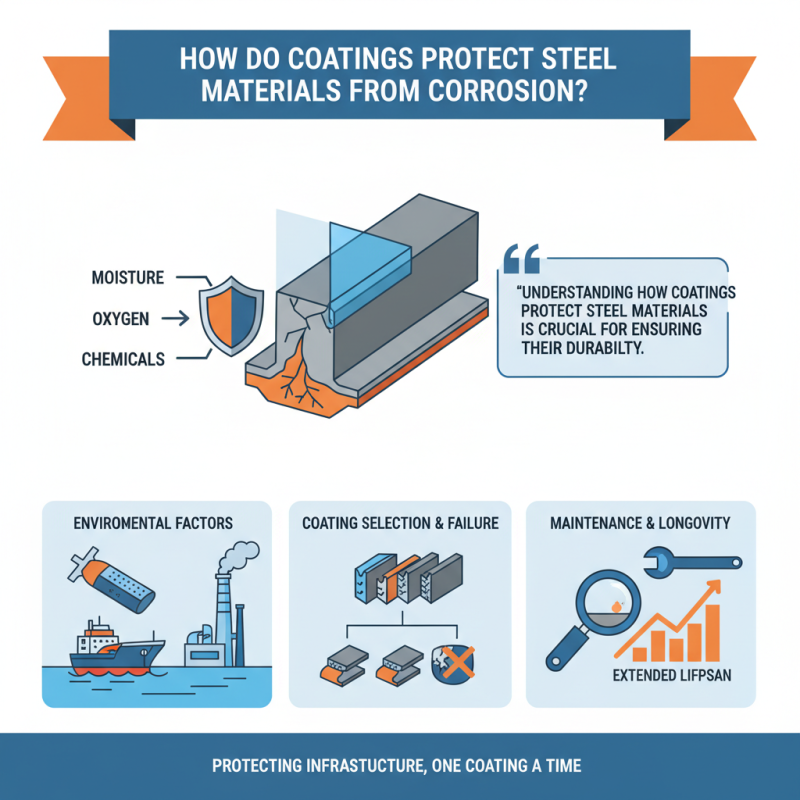
Corrosion is a significant challenge for steel materials, impacting their longevity and performance. An industry expert, Dr. Emily Carter, once remarked, “Understanding how coatings protect steel materials is crucial for ensuring their durability.” Coatings serve as a vital barrier against environmental factors like moisture, oxygen, and chemicals. Effective coatings can significantly extend the lifespan of steel components in various applications.

The complexity of choosing the right coating can be daunting. It requires an understanding of the specific environment the steel will face. For instance, marine environments with saltwater exposure demand specialized coatings. These coatings must withstand harsh conditions while preventing rust and decay. However, not all coatings offer the same level of protection, leading to potential failures if the wrong choice is made.

Even with advanced technology, some coatings may still wear down over time. Regular maintenance is essential to evaluate their effectiveness. Without proper assessments, facilities may face unexpected costs due to corrosion-related damage. This raises a crucial question: how coatings protect steel materials can ultimately determine the success of engineering projects. The right coating choice and application are pivotal in safeguarding valuable steel infrastructure.
How Do Coatings Protect Steel Materials from Corrosion?

Overview of Steel Corrosion and its Impact on Structures

Steel corrosion is a significant issue that impacts various structures, from bridges to buildings. Corrosion occurs when steel reacts with moisture and oxygen, leading to rust formation. This process weakens the metal, leading to structural failures. Over time, even small rust spots can expand, compromising the integrity of an entire structure.

The effects of corrosion can be costly and dangerous. It not only requires repairs but also reduces the lifespan of steel components. Aged structures, if not maintained, can become hazardous. For instance, old bridges may require thorough inspections to ensure safety. In many cases, corrosion detection is challenging, highlighting the need for advanced monitoring systems. While coatings play a vital role in prevention, they are not infallible. Regular assessments are crucial, as unobserved deterioration can lead to catastrophic results.

Painting and applying other coatings can provide a barrier against corrosion. However, these coatings also wear down over time, necessitating maintenance. This cycle of applying and inspecting coatings reveals the ongoing battle against corrosion. Engineers face challenges in choosing the right protective measures. Factors like environmental conditions and material properties can significantly influence the effectiveness of coatings. Thus, a nuanced understanding of corrosion dynamics is essential for ensuring the longevity of steel structures.

Types of Coatings Used for Corrosion Protection on Steel

Corrosion protection for steel is vital in various industries, particularly in construction and manufacturing. Different coatings are used to prevent physical and chemical degradation. Common types include epoxy, polyurethane, and zinc-based coatings. Each type has unique properties that enhance its performance and durability.

Epoxy coatings are known for their strong adhesive qualities. They provide excellent chemical resistance and are ideal for harsh environments. According to a report by the National Association of Corrosion Engineers, epoxy coatings can extend the lifespan of steel structures by 50% or more. However, application requires skilled professionals, as improper application can lead to delamination.

Polyurethane coatings offer flexibility and UV resistance. These features make them suitable for outdoor applications. Zinc-rich paints are another option. They function by cathodic protection, sacrificing themselves to shield the underlying steel. A study published by the American Coatings Association found that zinc coatings can reduce corrosion rates by up to 80%. While effective, they may require precise conditions for optimal performance. Many factors contribute to each coating's effectiveness, including environmental conditions and surface preparation. Ensuring these factors are met can be challenging but is critical for achieving long-lasting protection.

How Do Coatings Protect Steel Materials from Corrosion? - Types of Coatings Used for Corrosion Protection on Steel

Coating Type Application Method Operational Temperature Range Corrosion Resistance Typical Uses
Epoxy Coatings Spraying, brushing, or rolling -40°C to 120°C Excellent Industrial equipment, pipelines
Polyurethane Coatings Spraying -40°C to 90°C Very good Automotive parts, marine applications
Zinc Coatings Galvanizing -15°C to 60°C Good Construction, electrical towers
Alkyd Coatings Brushing, rolling, spray 0°C to 50°C Fair Metal structures, machinery
Ceramic Coatings Spraying, dip coating Up to 600°C Exceptional High-tech applications, aerospace

Mechanisms of How Coatings Prevent Corrosion in Steel

Coatings play a crucial role in protecting steel materials from corrosion. They act as a barrier between the steel surface and environmental factors. According to a report by NACE International, corrosion costs the U.S. economy over $276 billion annually. This highlights the importance of effective coatings to mitigate corrosion.

The primary mechanism of coatings is to create an impermeable layer. This layer prevents moisture and oxygen from reaching the steel surface. Epoxy and polyurethane coatings are common choices for industrial applications. They provide excellent adhesion and durability. Research indicates that proper application can enhance the lifespan of structures by up to 50%. However, some coatings require specific conditions during application. This can lead to imperfections if not managed carefully.

Another mechanism is cathodic protection. Certain coatings contain anodic materials that corrode preferentially. This diverts corrosion from the steel to the coating itself. In a study, it was found that applying cathodic coatings reduced corrosion rates by nearly 80%. Still, the complexity of these systems can lead to maintenance challenges. Regular inspections and potential repairs are necessary to ensure long-term effectiveness. Corrosion prevention is not foolproof and requires continual effort and investment.

Benefits and Limitations of Coated Steel Materials

Coated steel materials offer significant benefits in protecting against corrosion. According to a report from the National Association of Corrosion Engineers, corrosion costs U.S. industries around $276 billion annually. Coatings create a barrier between the steel and corrosive elements. This barrier can include paint, epoxy, or galvanization, each providing varying levels of protection. For example, zinc galvanization can offer a cathodic protection effect, significantly delaying corrosion onset.

However, coated steel is not without its limitations. Damage to the coating can expose the underlying metal, leading to accelerated corrosion. A study indicated that even minor abrasion can reduce protection efficacy by more than 30%. Additionally, environmental factors such as UV exposure or chemical exposure can degrade coatings over time. These vulnerabilities necessitate regular inspections and maintenance to ensure long-term effectiveness.

Understanding both benefits and limitations is critical for selecting coated steel for specific applications. While protective coatings effectively prevent corrosion, their effectiveness diminishes with environmental exposure and physical damage. This complex relationship highlights the need for continual evaluation in corrosion management strategies. Proper understanding can lead to informed decisions and better outcomes for asset longevity.

Maintenance and Inspection of Coated Steel for Longevity

The maintenance and inspection of coated steel are crucial for ensuring longevity. Regular inspection helps detect early signs of corrosion, which can lead to costly repairs. A study by NACE International indicates that proper maintenance can extend the lifespan of coated steel structures by 50%. This emphasizes the importance of a proactive approach.

Inspections should be conducted at defined intervals. Visual checks can reveal peeling, chipping, or discoloration of coatings. If defects are found, immediate action is essential to prevent further damage. According to the American Institute for Steel Construction, nearly 10% of structures face significant corrosion problems due to lack of maintenance. Addressing these issues promptly can save time and resources.

Preventive measures include cleaning and reapplying protective coatings as needed. Every two to five years, coatings may require touch-ups, depending on environmental conditions. Climate, exposure to moisture, and industrial pollutants affect the performance of coatings. Understanding these factors is key to maintaining the integrity of coated steel. Regular training for maintenance staff can also enhance inspection quality, fostering a culture of diligence in steel care.

FAQS

: What causes steel corrosion?

: Steel corrosion occurs when steel reacts with moisture and oxygen, resulting in rust formation.

How does corrosion impact structures?

Corrosion weakens metal, causing potential structural failures. Even small rust spots can compromise overall integrity.

What are common methods to prevent corrosion?

Coatings, such as paint and epoxy, act as barriers against environmental factors. They reduce corrosion but require maintenance.

Why is regular inspection important?

Regular assessments help detect unobserved deterioration. Ignoring corrosion can lead to catastrophic failures and higher repair costs.

What are the limitations of coatings?

Coatings can wear down over time. Damage or degradation from UV exposure can lead to increased corrosion risks.

How can coatings enhance the lifespan of structures?

Properly applied coatings can extend the lifespan of structures by up to 50%. However, conditions during application matter.

What is cathodic protection?

Cathodic protection involves coatings with anodic materials that corrode instead of steel. This method can reduce corrosion significantly.

What role does environmental exposure play in corrosion?

Environmental factors, like moisture and chemicals, can degrade protective coatings. This necessitates ongoing maintenance and evaluations.

How does minor damage affect coatings?

Even slight abrasions can reduce coating effectiveness by over 30%, increasing the risk of corrosion.

Is corrosion prevention foolproof?

No, corrosion prevention requires continual effort, inspections, and investment in maintenance to be effective.

Conclusion

Coatings play a crucial role in protecting steel materials from corrosion, which can significantly impact the integrity and longevity of structures. Corrosion not only compromises the mechanical properties of steel but also leads to economic losses and safety hazards. This article outlines various types of coatings designed specifically for corrosion protection, including organic and inorganic options, and explores the mechanisms by which these coatings function. Understanding how coatings protect steel materials is essential for preventing deterioration and ensuring the longevity of steel structures.

Furthermore, the benefits and limitations of coated steel materials are discussed, highlighting the necessity for regular maintenance and inspection to maximize their lifespan. By effectively utilizing coatings, industries can mitigate the adverse effects of corrosion, enhance the durability of steel materials, and reduce the need for costly repairs or replacements. Ultimately, the right coating strategy is vital for maintaining the performance and integrity of steel in various applications.

Charlotte

Charlotte

Charlotte is a seasoned marketing professional with a deep understanding of the company's portfolio and a passion for elevating its presence in the market. With a keen eye for detail and a commitment to excellence, she ensures that our professional blog is regularly updated with insightful articles......