BLS Structural Steel
Corrosion is a critical issue in steel applications. It poses significant challenges across various industries. According to a report by NACE International, corrosion affects over $2.5 trillion globally each year. This staggering figure highlights why corrosion protection is important for steel.
Steel structures, like bridges and buildings, face harsh environmental conditions. These conditions can expedite corrosion processes. A study shows that corrosion can reduce a steel structure's lifespan by up to 70%. This potential loss not only impacts safety but also incurs high maintenance costs.
Investing in corrosion protection methods is essential. Options include coatings, cathodic protection, and corrosion inhibitors. The proper application of these methods can extend service life and enhance reliability. However, many industries still overlook these protective measures. A gap in awareness leads to increased damage and expenses. Addressing these issues can prevent catastrophic failures and ensure safety.
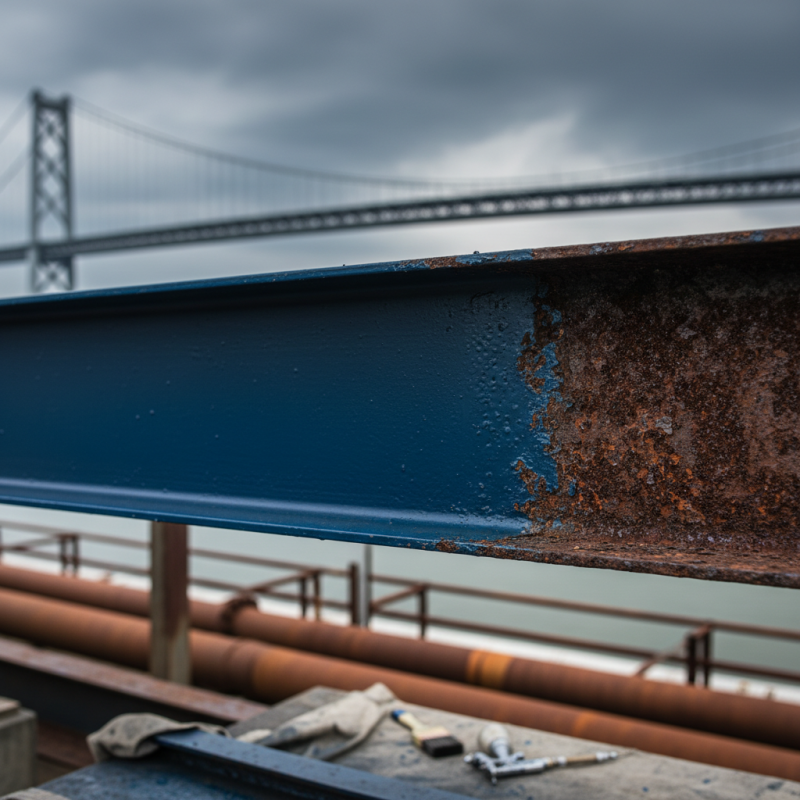
Corrosion is a silent thief in steel infrastructure. It eats away at durability and strength. When steel structures fail, the economic consequences can be staggering. Repairing or replacing corroded steel can cost millions. In industries like construction and transportation, these costs mount quickly.
The economic impact isn't just about repair bills. Downtime from structural failures can halt production. This leads to lost revenue and productivity. Businesses need to consider these hidden costs. Routine maintenance becomes essential to prevent extensive damage. Yet, many companies overlook corrosion protection until it's too late.
Investing in corrosion protection is not merely an expense. It's a crucial strategy for long-term savings. Implementing protective measures can extend the lifespan of steel. This proactive approach can significantly reduce costs over time. Reflecting on these aspects is necessary for industry growth. Ignoring corrosion can lead to economic strain and safety hazards.
Corrosion is a silent enemy of steel structures. It can weaken beams, rust pipes, and shorten the lifespan of critical components. Understanding the different types of corrosion mechanisms is vital. For instance, uniform corrosion occurs evenly across a surface, thinning the metal uniformly. It is common but can often go unnoticed until structural integrity is compromised.
Another significant mechanism is pitting corrosion. This type creates small holes or “pits” on the surface. It is particularly dangerous because it can lead to sudden failure. Galvanic corrosion occurs when two dissimilar metals make contact in a corrosive environment. The more active metal corrodes faster, while the less active metal is protected. This mechanism can occur in pipelines or joints, making regular inspections essential.
Tips: Always check for rust spots. Timely maintenance can prevent extensive damage. Consider applying a protective coating to vulnerable areas. Investing in routine assessments is crucial. These steps can save money and ensure safety. Although you might overlook minor corrosion signs, staying vigilant can help you avoid major issues.
Corrosion protection is essential for steel applications. Steel is used in various environments, constantly exposed to moisture and chemicals. Over time, this exposure leads to rust formation, weakening structures and increasing maintenance costs. Thus, implementing effective corrosion protection strategies becomes crucial.
One common method is coating the steel with paints or sealants. These coatings create a barrier, preventing moisture from reaching the metal surface. However, coatings may chip or wear off, necessitating regular inspections. Another strategy involves galvanization, which adds a layer of zinc. This process protects steel from corrosive elements, yet it is not foolproof. Zinc can corrode, exposing the steel underneath if not monitored.
Cathodic protection is also widely practiced. It involves using sacrificial anodes to attract corrosion. While this method can effectively protect larger structures, such as pipelines, it requires careful planning and consistent maintenance. Each of these strategies has its benefits but also presents challenges. Regular assessments of the chosen protection method are vital to maintain steel integrity.
This chart illustrates the effectiveness of various corrosion protection strategies used in steel applications. The data represents the average effectiveness percentage of each method in preventing corrosion over a specified period.
Corrosion prevention is an essential aspect of steel applications across various industries. Adhering to industry standards can reduce risks significantly. The National Association of Corrosion Engineers (NACE) sets guidelines that emphasize the importance of regular inspection and maintenance. These practices help identify corrosion before it escalates into a major issue, ensuring the longevity of steel structures.
Best practices include proper material selection and protective coatings. Engineers often opt for galvanized steel or stainless steel to enhance durability. However, sometimes, even with the best intentions, specifications might miss crucial environmental factors. Also, while coatings are beneficial, they must be reapplied periodically to maintain effectiveness.
Training staff on corrosion awareness is vital. Many workers may overlook early signs of corrosion, leading to costly repairs. Educating teams about potential risks can promote timely interventions. While there is no one-size-fits-all solution, a proactive approach combined with regular evaluations can significantly mitigate corrosion-related failures. In the end, the commitment to corrosion protection reflects how much we value safety and reliability in our structures.
Corrosion protection is vital for steel applications across diverse industries. Numerous case studies highlight its importance and effectiveness. One notable example involves a major bridge in a coastal city. High humidity and salt exposure accelerated rust formation. Implementing a robust corrosion protection system, including coatings and cathodic protection, significantly extended its lifespan.
Another case shows a multi-story parking garage exposed to moisture and de-icing salts. Engineers applied a combination of epoxy coatings and corrosion inhibitors. The results were notable. The garage reported a drastic reduction in maintenance costs. However, not all projects are seamless. Some experienced failures due to improper application or material choice. This emphasizes the need for careful planning and professional expertise.
The effectiveness of corrosion protection solutions often hinges on site-specific evaluations. Factors like climate, substrate conditions, and potential contaminants should guide decisions. Learning from past challenges can enhance future implementations. Recognizing that no one-size-fits-all approach exists is crucial in fortifying steel structures against corrosion.
| Case Study | Industry | Corrosion Protection Method | Outcome | Cost Savings (%) |
|---|---|---|---|---|
| Case Study 1 | Marine | Epoxy Coating | Significantly reduced corrosion rates | 40% |
| Case Study 2 | Construction | Cathodic Protection | Extended structure lifespan | 30% |
| Case Study 3 | Oil & Gas | Zinc Coating | Reduced maintenance frequency | 25% |
| Case Study 4 | Automotive | Paint Systems | Improved aesthetic and protection | 20% |
| Case Study 5 | Aerospace | Corrosion Inhibitors | Enhanced safety and durability | 35% |
: Corrosion weakens steel structures, leading to rust and reduced lifespan. It often goes unnoticed until it's too late.
Uniform corrosion, pitting corrosion, and galvanic corrosion are three significant mechanisms impacting steel.
It causes the metal to thin evenly across a surface, weakening structural integrity gradually.
Pitting corrosion creates small holes on surfaces, which can lead to sudden and unexpected failures.
Galvanic corrosion occurs when two different metals contact each other in a corrosive environment, often in joints.
Regularly check for rust spots. Timely maintenance can save money and preserve safety.
Coatings create barriers, stopping moisture from reaching steel, but damaged coatings need regular inspections to remain effective.
Galvanization adds a zinc layer that protects steel from corrosion. However, ongoing monitoring is essential to avoid exposure.
They help determine the best approach by considering climate, conditions, and contaminants affecting the steel structure.
Some projects fail due to improper application or material choice, highlighting the need for careful planning.
Corrosion protection is essential for steel applications due to its significant economic impact on infrastructure and industries. Corrosion leads to expensive repairs, safety hazards, and reduced lifespan of steel structures. Understanding the various corrosion mechanisms that affect steel is crucial for effective prevention strategies. Common protection methods include coatings, galvanization, and cathodic protection, which can be tailored to specific environments and requirements.
The implementation of industry standards and best practices is vital in ensuring longevity and safety in steel applications. Successful case studies highlight the effectiveness of corrosion protection solutions, demonstrating why corrosion protection is important for steel. By investing in robust corrosion prevention methods, industries can save costs, enhance safety, and improve the durability of steel structures.
