BLS Structural Steel BLS Structural Steel

Top Methods to Prevent Steel from Rusting Effectively?

Time:2026-09-03 Author:Sienna
0%

Rust is a significant threat to steel structures and components. According to expert Dr. Emily Carter, an authority in metallurgy, "Preventing rust is vital for maintaining the integrity of steel." Her insights emphasize the need for effective methods. When considering how to prevent steel from rusting, various strategies come into play.

One of the most effective methods is applying protective coatings. Paints and sealants create a barrier, shielding steel from moisture and oxygen. However, many skip this step or apply coatings incorrectly, resulting in vulnerability. Additionally, regular maintenance is crucial. Over time, even the best coatings wear off. Inspections can prevent unexpected corrosion issues.

Another approach involves using stainless steel or galvanized steel. These materials contain elements that resist rust. Some may argue higher costs deter their use. Yet, investing in quality materials often proves more economical long-term. Understanding how to prevent steel from rusting is essential for anyone dealing with steel products. Ignoring rust prevention can lead to significant financial and safety repercussions.
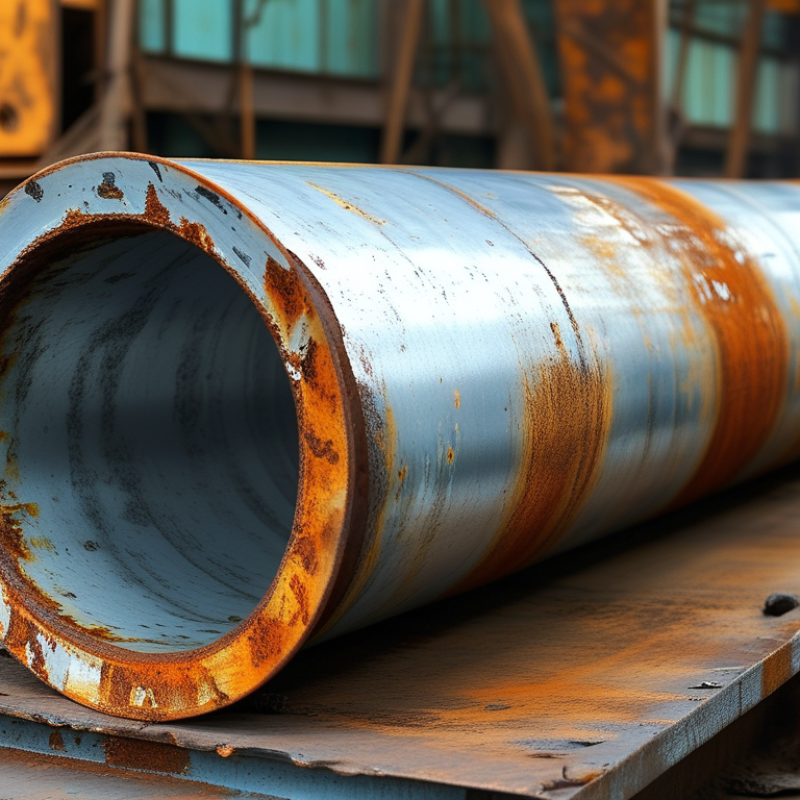
Top Methods to Prevent Steel from Rusting Effectively?

Understanding Rust Formation on Steel

Rust forms on steel through a chemical reaction between iron, oxygen, and moisture. This process occurs when iron oxidizes, creating iron oxide, commonly known as rust. It often begins with surface imperfections. Even tiny scratches expose the metal underneath to air and water. Once this reaction starts, it can spread rapidly, leading to structural issues.

The prevention of rust involves understanding its causes. Environments with high humidity or saltwater exposure accelerate rust formation. Protective coatings serve as a barrier against moisture and oxygen. Galvanization, for example, involves coating steel with zinc. This offers a sacrificial layer that corrodes instead of the steel. Regular maintenance checks help identify early signs of rust. Addressing these early can prevent further deterioration.

Additionally, the choice of steel alloy can play a significant role. Stainless steel contains chromium, which naturally resists rust. However, even stainless steel can corrode under certain conditions. It's vital to consider environmental factors when selecting materials. Balancing cost and durability is often a challenge. Awareness of these nuances is crucial for anyone involved in metalwork.

The Importance of Protecting Steel from Corrosion

Corrosion is a major concern for steel structures. It is estimated that corrosion costs the global economy over $2.5 trillion every year. This figure highlights the importance of protecting steel from rust. Corrosion not only weakens structures but also increases maintenance costs. It is crucial to implement effective prevention methods to extend the lifespan of steel.

One effective approach is applying protective coatings. These coatings act as a barrier, shielding the metal from moisture and corrosive elements. Studies indicate that galvanized steel can reduce corrosion risk by up to 75%. Additionally, regular maintenance plays a vital role. Inspections can detect early signs of rust, allowing for timely intervention.

Another method involves cathodic protection. This technique involves using sacrificial anodes to divert corrosion away from the steel. Research shows that this method can reduce corrosion rates by approximately 20%. Despite the effectiveness of these methods, many industries still face challenges. Awareness of corrosion management is essential for improved practices.

Top Methods to Prevent Steel from Rusting Effectively

This chart demonstrates various methods to prevent steel from rusting, rated on a scale from 1 to 10 based on their effectiveness. Galvanization and Cathodic Protection are identified as the most effective methods, while the use of Inhibitors ranks lower in effectiveness.

Methods for Applying Protective Coatings on Steel

Protective coatings are essential for preventing steel from rusting. These coatings act as a barrier, blocking moisture and oxygen from reaching the metal surface. One common method is applying paint. It creates a thick layer that protects against corrosive elements. This method is simple, but the paint can chip or wear off over time. Regular inspections are necessary to ensure the coating remains intact.

Another effective method involves galvanizing, where steel is coated with zinc. Zinc oxidizes more slowly than steel, offering long-lasting protection. This method is more durable, but it can be costlier than painting. Proper surface preparation is crucial for adhesion, and imperfections may lead to rust development.

Powder coating is a popular choice as well. It utilizes dry powder for a robust finish. This process requires skill and specialized equipment. While it offers excellent resistance to scratching and chipping, ensuring an even coating can be challenging. Surface imperfections may compromise the protective qualities. Each method has its strengths and weaknesses, and the decision often depends on the specific environment in which the steel will be used.

Environment Management to Minimize Rust Risk

To manage the environment effectively and minimize the risk of rust on steel, it is essential to consider factors like humidity, temperature, and exposure to corrosive elements. Controlling these environmental aspects can dramatically reduce rust formation. For instance, maintaining a dry atmosphere can hinder the moisture that accelerates corrosion. Using dehumidifiers in storage areas may prove beneficial in keeping the air dry.

Create barriers to protect steel surfaces. Protective coatings like paint or specialized rust inhibitors can shield metal from environmental factors. Regular maintenance, such as cleaning and repainting, ensures that these barriers remain effective. Make it a routine to check for scratches or wear in coatings. A small chip can let moisture in, leading to significant rusting if left unattended.

Monitor your surroundings. Identify areas where water tends to pool, as standing water promotes rust. Installing proper drainage systems can alleviate this issue. Additionally, consider using rust-resistant materials in environments prone to corrosion. While no solution is foolproof, managing your environment can significantly enhance the longevity of steel structures.

Top Methods to Prevent Steel from Rusting Effectively - Environment Management to Minimize Rust Risk

Method Description Effectiveness (%) Maintenance Frequency
Galvanization Coating steel with zinc to prevent rust 90% Every 25 years
Painting Applying a protective layer of paint 80% Every 3-5 years
Stainless Steel Using an alloy that contains chromium 95% As needed
Rust Inhibitors Chemical compounds that reduce corrosion 75% Annual
Cathodic Protection Using electrochemical techniques to prevent rust 85% Every 2 years

Regular Maintenance Practices for Rust Prevention

Regular maintenance practices are critical in preventing rust on steel. Properly storing steel items can reduce exposure to moisture, a primary factor in rust formation. For instance, keeping steel tools and equipment in a dry, indoor environment can decrease rust risks by up to 70%, according to industry studies. When items must be stored outside, using protective covers can significantly help, albeit not entirely eliminate the chance of corrosion.

Routine inspections reveal potential rust spots before they escalate. A recent report indicated that 40% of rust-related issues could be traced back to overlooked minor damages. Early detection can be crucial. Applying protective coatings, like galvanization or durable paint, provides an extra layer of defense. These measures, combined with consistent cleaning practices, can maintain a protective barrier against moisture and contaminants.

Regular cleaning of steel surfaces is essential as well. Dust and debris can retain moisture, especially in humid climates. It is recommended to clean exposed steel monthly, especially in coastal areas where salt in the air accelerates rusting. Not addressing these factors can lead to significant long-term costs. Over time, simple neglect can result in the complete degradation of metal structures. This ongoing commitment to maintenance is not just a suggestion; it's essential for extending the life span of steel products.

FAQS

: What causes rust to form on steel?

: Rust forms when iron reacts with oxygen and moisture. This creates iron oxide, commonly known as rust.

How does surface damage affect rust formation?

Small scratches on steel expose the metal to air and water. This can trigger rapid rust formation.

What environments speed up rust formation?

High humidity and saltwater exposure accelerate the rusting process. These conditions are particularly harmful for steel.

How can protective coatings help?

Protective coatings create a barrier against moisture and oxygen. This significantly reduces the risk of rust formation.

What is galvanization?

Galvanization involves coating steel with zinc. Zinc acts as a sacrificial layer, corroding instead of the steel beneath.

Why is regular maintenance important?

Regular maintenance helps find rust early. Addressing issues promptly can prevent major deterioration of steel structures.

Can stainless steel still rust?

Yes, stainless steel can corrode under certain conditions. Environmental factors still play a critical role.

What storage practices can prevent rust?

Storing steel items indoors keeps them dry. Using protective covers when stored outside also reduces rust risk.

How often should steel surfaces be cleaned?

Monthly cleaning is recommended, especially in humid areas. Dust can trap moisture and accelerate rust.

What happens if rust is neglected?

Over time, neglect leads to significant degradation. This can result in high long-term costs for repairs or replacements.

Conclusion

Rust formation on steel is a significant concern due to its detrimental impact on structural integrity and longevity. Understanding the mechanics of rust formation is crucial, as it emphasizes the importance of protecting steel from corrosion. Effective methods to prevent steel from rusting include applying protective coatings, which serve as a barrier against moisture and environmental contaminants. Additionally, managing the surrounding environment can greatly minimize rust risk, such as controlling humidity and exposure to corrosive elements.

Regular maintenance practices also play a key role in rust prevention. Regular inspections and timely repairs can help identify and address potential rust issues before they escalate. By implementing these strategies, one can effectively learn how to prevent steel from rusting, ensuring enhanced durability and extending the lifespan of steel structures.

Sienna

Sienna

Sienna is a skilled marketing professional with a deep expertise in our company’s core products and services. With a passion for innovation and detail, she plays a pivotal role in crafting insightful blog posts that not only highlight the unique features of our offerings but also provide valuable......