The quality of steel materials is crucial in various industries, including construction and manufacturing. Understanding "what factors affect steel material quality" is essential for professionals in the field. Dr. Emily Thompson, a materials science expert at the Steel Research Institute, emphasizes, "The composition and treatment of steel largely influence its performance and durability."
Factors like raw material purity, manufacturing processes, and environmental conditions play significant roles in steel quality. Variations in these aspects can lead to different strength levels and resistance to corrosion. Moreover, even slight changes during production can affect the end product. With increasing demand for high-quality steel, it’s vital to address these variables.
Many companies struggle with consistency in steel quality, leading to unreliable outcomes. Continuous research and development are necessary to mitigate these challenges. Ensuring high standards in every stage of production can enhance overall performance. Yet, many manufacturers still overlook crucial quality checks. Understanding "what factors affect steel material quality" can help bridge this gap and improve industry standards.
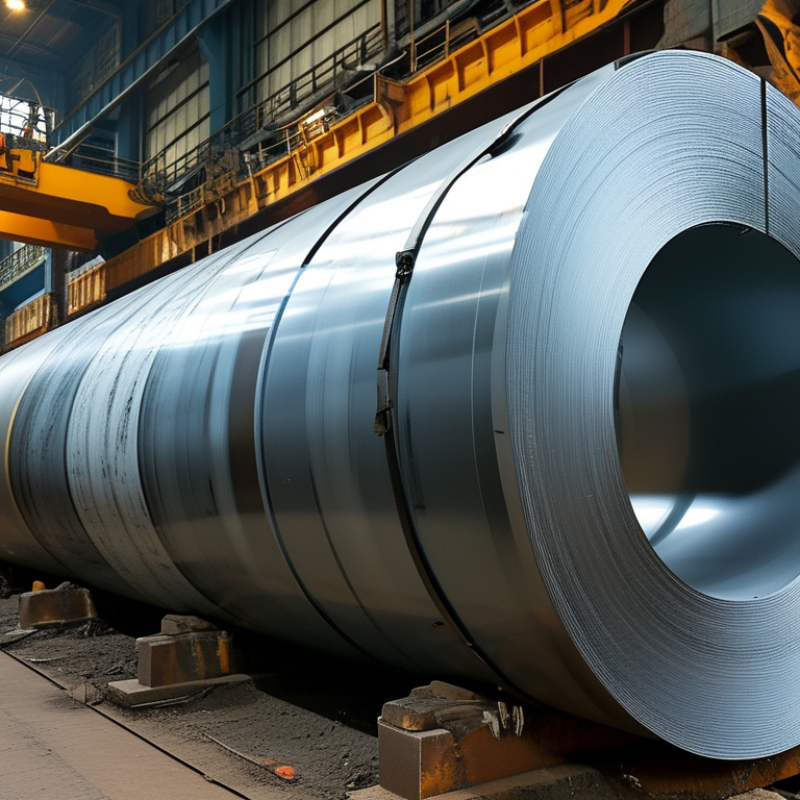
Composition of Steel Alloys and Their Influence on Quality
The composition of steel alloys plays a critical role in determining their quality. Different alloying elements can significantly impact the mechanical properties of steel. Common elements include carbon, manganese, chromium, and nickel. Each element alters the structure and behavior of the steel, affecting its strength, hardness, and ductility. For instance, higher carbon content can lead to increased hardness but may reduce ductility, making the steel more brittle.
Manganese contributes to toughness and strength. It also improves hardenability, which is vital in certain applications. On the other hand, too much manganese can compromise weldability. Additionally, chromium enhances corrosion resistance but can also introduce complexities in alloy balance. Finding the right mix of these elements requires expertise and careful consideration, as slight variations can lead to significant changes in performance.
The influence of these components on quality highlights the need for rigorous testing and analysis. Engineers must reflect on the potential pitfalls of alloy selection. The balance between cost, performance, and application is delicate. Some steel products may not perform as expected due to improper alloy selection, illustrating the importance of comprehensive understanding and application of steel composition knowledge.
Manufacturing Processes Impacting Steel Quality
Manufacturing processes play a crucial role in determining the quality of steel materials. The choice of methods can significantly influence properties like strength, ductility, and overall performance. For instance, the process of smelting involves extracting iron from ore, but impurities can enter during this stage. If not managed properly, these can lead to weak points in the final product.
Another critical process is forging, where steel is shaped under heat and pressure. This can enhance the microstructure of the steel, improving its toughness. However, inconsistencies in temperature or pressure can produce flaws. Regular monitoring and adjustments are necessary to ensure high quality.
Heat treatment is also essential. It alters the physical properties of steel, affecting hardness and tensile strength. Yet, improper heating or cooling rates can cause internal stresses. These stresses may lead to unexpected failures in applications. It's vital for manufacturers to refine these processes continually. Keeping a close eye on each step helps produce steel that meets rigorous standards.
Heat Treatment Procedures for Enhancing Steel Properties
Heat treatment is a crucial process that enhances the properties of steel. It involves heating the steel to specific temperatures, followed by cooling. This process alters the steel's microstructure, improving its mechanical properties. Different heat treatment methods, such as annealing, quenching, and tempering, each have unique effects on the material's strength, ductility, and hardness.
For instance, annealing relieves internal stresses, making the steel more ductile. This process involves heating the steel to a high temperature and allowing it to cool slowly. Quenching, on the other hand, involves rapidly cooling the steel, which increases hardness but can make it more brittle. Tempering is often used after quenching to regain some ductility. This balancing act highlights the delicate nature of heat treatment, where improper procedures can lead to undesirable properties.
Choosing the right heat treatment method can be challenging. The specifics of each process depend on the steel alloy and the intended application. A one-size-fits-all approach does not exist. Each decision requires careful consideration to achieve the desired results. Understanding the intricacies of heat treatment is essential for anyone involved in steel production and application. Reflecting on past mistakes can lead to improved outcomes in future projects.
Factors Affecting the Quality of Steel Materials
Environmental Factors Affecting Steel Material Integrity
Environmental factors play a crucial role in the quality and integrity of steel materials. Humidity and temperature fluctuations can cause corrosion. Steel exposed to high moisture levels can develop rust quicker than in dry environments. This process can weaken the material over time, leading to structural failures. The surrounding atmosphere's pollution levels can also contribute to steel damage. For instance, acidic rain accelerates corrosion, reducing the lifespan of steel products.
Another significant factor is soil composition when steel is used in construction. Some soil types, like clay, hold more moisture. This can lead to increased corrosion rates for buried steel structures. Meanwhile, sandy soils tend to drain better, offering some protection. Understanding local soil chemistry is essential for making informed decisions about materials. Even slight oversights in assessing environmental conditions can lead to significant issues later on.
Additionally, temperature extremes influence the mechanical properties of steel. High temperatures may weaken the material, impacting its performance under stress. Cooling cycles can create internal stresses. This is often overlooked during initial assessments. Evaluating these environmental factors is vital for maintaining steel integrity. Regular inspections and assessments can help identify potential problems before they escalate. Adapting to environmental challenges is essential for longevity and safety in steel constructions.
Testing and Standards for Assessing Steel Quality
Steel quality is influenced by multiple factors, including composition, processing methods, and testing standards. Understanding these parameters is vital for industries relying on steel. A report by the World Steel Association indicates that steel's tensile strength varies significantly based on its chemical makeup and production techniques. Properly testing and assessing these materials can ensure they meet the required specifications.
Testing standards play a crucial role in evaluating steel quality. The ISO 9001 standard is widely accepted and outlines quality management principles. Adhering to such standards can enhance product reliability. According to data from ASTM International, rigorous testing can reduce material failure rates by up to 30%. This highlights the importance of proper assessments in preventing costly errors.
Tips: Consider using different testing methods to verify steel quality. Regular audits can enhance your quality assurance protocols. It’s essential not to overlook the potential discrepancies in test results. Stay updated on industry standards to ensure compliance and safety.
FAQS
: Alloying elements significantly affect steel's mechanical properties, including strength, hardness, and ductility.
Higher carbon content increases hardness but may reduce ductility, leading to brittleness.
Manganese enhances toughness and strength but excessive amounts can compromise weldability.
Chromium improves corrosion resistance, but it can complicate the balance of the alloy.
Incorrect alloy choices might lead to unexpected outcomes, stressing the need for a deep understanding.
Heat treatment alters microstructure, enhancing properties like strength and ductility through specific heating and cooling methods.
Annealing reduces internal stresses, making steel more ductile by slowly cooling after heating.
Quenching increases hardness through rapid cooling but may result in increased brittleness.
Tempering is done to regain some ductility lost during quenching, balancing properties for better performance.
Reflecting on previous errors helps refine the process and improve future heat treatment outcomes.
Conclusion
The quality of steel materials is influenced by several critical factors, which include the composition of steel alloys, manufacturing processes, and heat treatment procedures. Different alloy compositions can significantly affect the mechanical properties and durability of steel. Additionally, the methods used during manufacturing, such as forging or casting, can introduce variations that impact overall quality.
Heat treatment processes are essential for enhancing the desired properties of steel, such as toughness and hardness, while environmental factors, like exposure to moisture and chemicals, can compromise steel integrity over time. To ensure that steel meets quality standards, rigorous testing measures must be implemented. Understanding what factors affect steel material quality is vital for producers and consumers alike, as it directly correlates with the performance and longevity of steel products in various applications.
 BLS Structural Steel
