BLS Structural Steel BLS Structural Steel

What Factors Influence the Durability of Steel Structures?

Time:2026-05-28 Author:Oliver
0%

The durability of steel structures is a critical topic in engineering. Many factors play a role in determining what affects the durability of steel structures. Dr. Emily Carter, a renowned structural engineer, emphasized, "Environmental conditions and material quality are key to longevity." Understanding these elements is vital for designing structures that withstand time and stress.

Corrosion is often cited as a main threat to steel. Salt from roadways or proximity to water sources can accelerate deterioration. Additionally, the quality of the steel used is crucial. Low-grade materials weaken structures over time. Engineers must also consider maintenance routines. Regular inspections can catch minor issues before they escalate.

The impact of local climate cannot be overlooked. Areas with extreme temperatures or humidity can challenge steel's integrity. Furthermore, construction methods and practices greatly influence durability. Poor welding techniques or improper coatings may lead to long-term problems. Striving for perfection in these areas is essential. However, even the best-laid plans can face unforeseen challenges. Ultimately, many factors intertwine to shape the lifespan of steel structures.
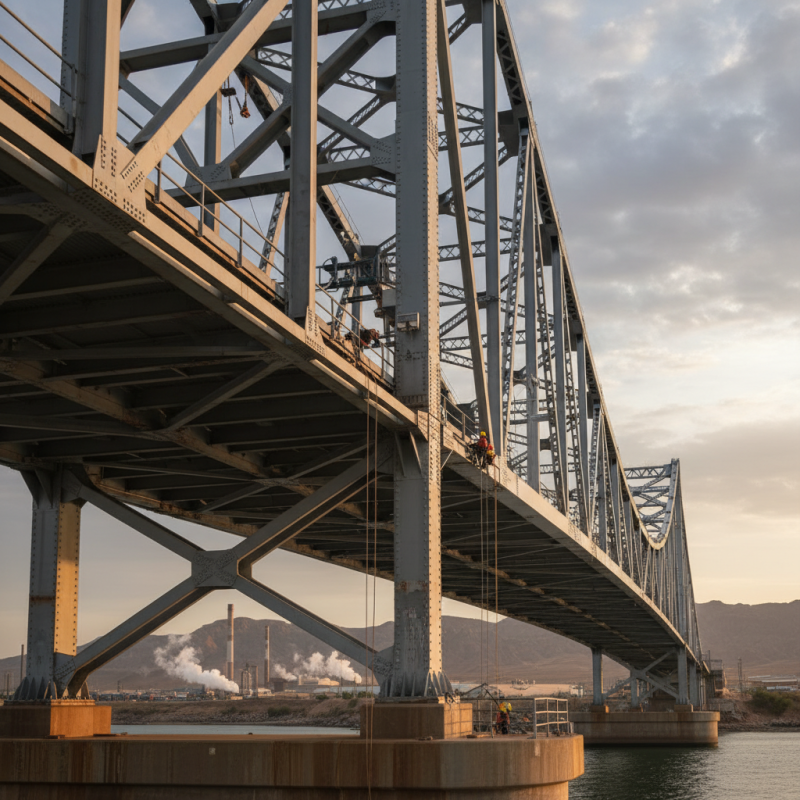
What Factors Influence the Durability of Steel Structures?

Factors Affecting Material Selection in Steel Structures

When selecting materials for steel structures, several factors come into play. The design load is critical. Engineers need to consider the weight and forces a structure will endure. Corrosion resistance is also vital. Environmentally harsh conditions can lead to premature failures. Choosing the right coatings or corrosion-resistant materials can enhance durability.

Material grades offer various properties. Higher strength steels may increase longevity but can be more challenging to work with. Balancing strength, flexibility, and workability is crucial. Temperature extremes affect steel performance. As steel expands and contracts, it needs to accommodate thermal movements without compromising integrity.

Economic considerations should not be overlooked. High-quality materials may come at a premium. However, investing in better materials can save costs in the long run by reducing maintenance and replacements. Ultimately, the goal is to enhance the structure's lifespan while managing costs and safety effectively. Choosing materials demands a thoughtful approach, reflecting both immediate needs and future implications.

Impact of Environmental Conditions on Steel Durability

Environmental conditions play a crucial role in the durability of steel structures. Factors such as humidity, temperature variations, and exposure to corrosive agents greatly impact steel longevity. For instance, areas with high humidity can accelerate rust formation. Salt-laden air, common in coastal regions, poses an additional threat, leading to faster degradation.

In more extreme climates, steel can expand and contract. This movement may create stress points and weaken structural integrity over time. How well a steel structure can resist these conditions often depends on its design and maintenance protocols. Regular inspections are essential. Ignoring the impact of environmental factors can lead to costly repairs or even structural failures.

Moreover, even seemingly minor conditions can accumulate over time. Polluted environments can accelerate corrosion, unnoticed at first. Thus, assessing the environment's impact on steel is vital. It requires ongoing monitoring and proactive measures. Understanding these influences improves steel design and extends the life of structures.

Importance of Corrosion Resistance in Steel Design

Corrosion resistance is a critical aspect of steel design. When steel structures are exposed to harsh environments, corrosion can lead to significant deterioration. This degradation compromises the integrity and safety of structures, from bridges to high-rise buildings. Engineers must consider factors like humidity, salinity, and air quality during the design process. A small oversight in these considerations can lead to costly repairs.

Protective coatings are commonly used to enhance corrosion resistance. These coatings can be effective but come with limitations. Application methods vary, and not all coatings offer the same level of protection. Here lies a challenge: selecting the right coating for specific environments is crucial. Misjudgments can result in vulnerabilities, necessitating regular inspections. Frequent assessments can detect early signs of corrosion and prevent larger failures down the line.

Adopting a proactive approach toward maintenance is vital. Regular monitoring of steel structures can identify issues before they escalate. However, many projects fail to integrate a robust maintenance plan from the outset. This oversight can lead to increased long-term costs and safety risks. It's essential to strike a balance between initial design choices and ongoing care for steel structures.

Role of Structural Design and Load-Bearing Capacity

When it comes to the durability of steel structures, the role of structural design and load-bearing capacity cannot be overstated. Engineers must consider various factors that contribute to a building's lifespan. A well-thought-out design can enhance stability and reduce vulnerability to environmental stressors like wind and earthquakes. Structural integrity is directly linked to the loads a building must support. Overloading can lead to catastrophic failures, revealing the critical balance between design and durability.

Tips: Always assess the specific load conditions a structure may face. Regular inspections should be part of upkeep. This proactive approach can prevent costly damages later.

The choice of materials also plays a crucial role in steel structure durability. High-quality steel, paired with protective coatings, can resist corrosion effectively. However, not all steel is created equal. Understanding the mechanical properties of the materials used is vital. There can be misjudgments in material selection that lead to early deterioration.

Tips: Consider environmental factors, such as humidity or pollution, when selecting materials. Evaluate if the materials will withstand local weather conditions.

Factors Influencing the Durability of Steel Structures

Maintenance Practices to Enhance Steel Structure Lifespan

Maintaining steel structures is crucial for their longevity. Regular inspections are necessary to identify any potential issues early on. Look for signs of corrosion, especially in areas exposed to moisture. Moisture can lead to rust, which compromises structural integrity.

Tip: Schedule inspections at least twice a year, focusing on joints and welds. These areas are often the most vulnerable to wear and tear. Use protective coatings as a preventive measure. They create a barrier against moisture and environmental pollutants.

Regular cleaning can also enhance durability. Remove debris and contaminants that may trap water. This simple practice reduces the risk of rust forming over time. However, some may overlook this step, thinking it’s unnecessary. Remember, even minor neglect can lead to significant damage down the line.

Tip: Establish a routine cleaning schedule. Consider using non-corrosive cleaning agents to avoid further damage. Effective maintenance practices not only prolong lifespan but also save on costly repairs. Each step taken today contributes to lasting strength tomorrow.

What Factors Influence the Durability of Steel Structures? - Maintenance Practices to Enhance Steel Structure Lifespan

Factor Description Impact on Durability Maintenance Practice
Corrosion Resistance Ability of steel to resist oxidation and degradation. Significant impact; poor resistance can lead to rapid deterioration. Regular inspections and application of protective coatings.
Load-Bearing Capacity The maximum load a structure can safely support. Critical; inadequacy can lead to structural failure. Periodic load assessments and reinforcement as necessary.
Environmental Factors Conditions such as humidity, temperature, and exposure to chemicals. High influence; adverse conditions accelerate wear and tear. Environmental control measures and regular clean-up.
Design and Engineering Planning and structural design impact longevity. Essential for ensuring stability and minimizing stress. Adherence to engineering standards and regular design reviews.
Rehabilitation Techniques Methods used to restore the structure's integrity. Can substantially enhance lifespan when implemented properly. Use of advanced materials and methods for repairs.

FAQS

: What factors should be considered when selecting materials for steel structures?

: Key factors include design load, corrosion resistance, and material grades. Each plays a vital role in durability.

How does corrosion affect steel structures?

Corrosion can lead to premature failures. Protective coatings or corrosion-resistant materials help enhance longevity and durability.

Why is structural design important?

A good design improves stability and reduces vulnerability to stressors like wind and earthquakes, essential for overall safety.

How can overloading impact a structure?

Overloading may cause catastrophic failures. Balancing load-bearing capacity with design is crucial for safety and durability.

What maintenance practices can prolong a steel structure's lifespan?

Regular inspections and cleaning are essential. They help identify issues like corrosion early, preventing costly repairs.

How often should inspections be conducted?

Inspections should occur at least twice a year, focusing on vulnerable areas like joints and welds to catch problems early.

What can moisture do to steel structures?

Moisture leads to rust, compromising structural integrity. Regular maintenance helps mitigate this risk effectively.

Are all steel materials the same?

No, not all steel is equal. Understanding the mechanical properties of chosen materials is essential for longevity.

What should be considered regarding the local environment?

Environmental factors like humidity and pollution can affect material choices. Ensuring materials withstand local conditions is crucial.

How can neglecting maintenance affect steel structures?

Minor neglect can lead to significant damage over time. Establishing routines helps maintain the structure's integrity and performance.

Conclusion

The durability of steel structures is influenced by several key factors, which collectively define their performance and lifespan. Primarily, material selection plays a crucial role, as the properties of the chosen steel can significantly affect its resilience against wear and environmental stresses. Additionally, environmental conditions such as humidity, temperature fluctuations, and exposure to chemicals can greatly impact what affects the durability of steel structures, making it essential to consider these factors during the design phase.

Corrosion resistance becomes paramount in steel design since it directly undermines structural integrity over time. Furthermore, the structural design itself, along with the load-bearing capacity, must be optimized to ensure that the steel can withstand various forces without succumbing to fatigue. Finally, regular maintenance practices are vital in enhancing the lifespan of steel structures by addressing potential issues before they lead to significant damage. Collectively, these factors underscore the complexity of ensuring the durability of steel structures.

Oliver

Oliver

Oliver is a seasoned marketing professional with a wealth of expertise in driving brand awareness and engagement. With a deep understanding of our company's product offerings, he consistently delivers high-quality content that enriches our professional blog. His insights not only shed light on......