BLS Structural Steel BLS Structural Steel

How Global Demand Is Shaping China's Steel Industry Today?

Time:2026-06-27 Author:Sienna
0%

China's steel industry stands at a crossroads, significantly influenced by global demand. Recent reports indicate that the country produces over half of the world's steel, driven by international market needs. In the first half of 2023, China's steel output was nearly 450 million tons, highlighting its dominance. As countries recover from economic downturns, their need for steel has surged. This recovery showcases how global demand affects the steel industry, reshaping production strategies.

Global demand is not merely a market statistic; it reflects shifting consumption patterns. Infrastructure projects, particularly in developing nations, require substantial steel supplies. China, as a leading exporter, must adapt to these dynamics. However, reliance on foreign markets poses risks. Trade tensions and fluctuating prices can destabilize the industry. These challenges urge industry leaders to rethink strategies for sustainability and resilience.

Furthermore, environmental regulations are becoming stricter. This creates additional pressure to increase efficiency and lower carbon footprints. Balancing production with sustainable practices can be daunting. Understanding how global demand affects the steel industry is crucial for future planning. The industry must innovate while responding to external pressures, ensuring long-term growth and stability.
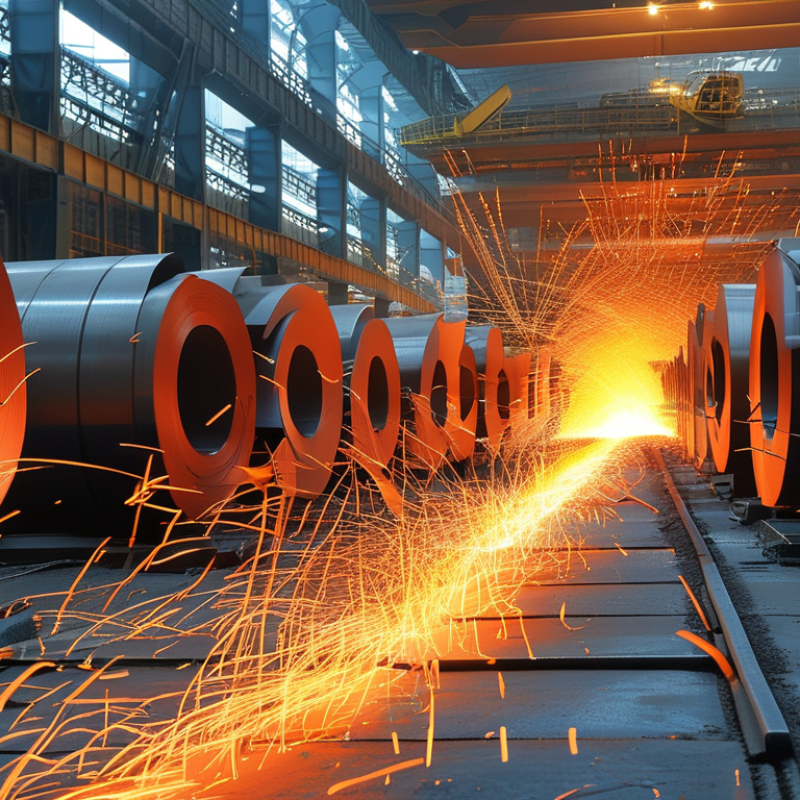
How Global Demand Is Shaping China's Steel Industry Today?

Global Demand Trends Affecting China's Steel Industry

The global demand for steel is currently in flux, significantly shaping China's steel industry. According to the World Steel Association, global steel demand is projected to increase by 1.7% in 2023. The top markets driving this trend include infrastructure projects in developing countries. This shift presents opportunities and challenges for Chinese steelmakers.

China remains the largest producer of steel, accounting for over 50% of the world's total output. However, as demand fluctuates, the industry must adapt. Reportedly, demand from the construction sector in China has decreased. This is forcing companies to consider innovation and greener production methods to remain competitive. The Steel Industry Report 2023 highlights that production costs are rising, impacting profit margins.

Emerging markets are increasingly seeking high-quality steel products. This creates a need for Chinese firms to enhance quality control. By focusing on sustainable practices, like reducing CO2 emissions, China can strengthen its global position. Still, there are concerns about overcapacity. Analysts note that excess production could undermine profitability if demand does not keep pace.

The Role of Infrastructure Projects in Steel Consumption

Infrastructure projects are pivotal in driving steel consumption in China. The nation is currently experiencing a surge in demand for steel due to its ambitious urbanization efforts. According to industry reports, China accounted for over 50% of global steel consumption in recent years. This staggering statistic highlights its central role in the worldwide steel market.

To fuel these projects, China invested around $800 billion in infrastructure in 2021 alone. Major segments, such as road and rail construction, require vast amounts of steel. A single kilometer of rail can consume nearly 1,200 tons of steel. These developments not only support domestic growth but are also key to meeting the rising global demand.

However, challenges persist. The sustainability of such high consumption rates remains questionable. Environmental concerns are amplifying pressure on the steel industry to adapt. While steel production is essential, the effects on pollution and resource depletion are troubling. The balance between growth and sustainability demands reflection and careful planning from industry stakeholders.

International Trade and Its Impact on China's Steel Exports

China's steel industry is under pressure from international trade dynamics. Rising global demand is altering the landscape. Export strategies must adapt to multifaceted regulations. Increased tariffs and trade policies can influence profits. Chinese exporters face hurdles in markets like the EU and the US. Navigating these complexities is essential for success.


Moreover, the world looks to sustainability. Eco-friendly steel production is gaining traction. China faces scrutiny over its environmental impact. Public demand for greener practices is reshaping production methods. Local companies may struggle to meet these standards while remaining competitive. Shifting to sustainable practices could create initial challenges.


Raw material costs are fluctuating. This unpredictability complicates pricing strategies. Industries worldwide are also adjusting. China’s steel exports must remain agile to respond to these shifts. It is crucial to monitor competitor actions and global trends closely. Balancing demand, innovation, and compliance remains a constant challenge.

Environmental Regulations and Their Influence on Production Practices

China's steel industry is at a crossroads, influenced heavily by stringent environmental regulations. In 2021, nearly 1,000 steel production facilities were reported to have cut down their output due to compliance issues. This shift is a response to the government’s aim to reduce carbon emissions by 30% by 2030. As steel production is a significant contributor to pollution, the regulations push companies to innovate. While many plants are investing in greener technologies, the costs can be substantial.

Emission standards are forcing older facilities to shut down. According to the China Steel Industry Association, around 150 million tons of steel capacity was eliminated between 2017 and 2022. This is a significant number considering China produced over 1 billion tons of steel in 2020. Compliance not only impacts production volume but also shapes market dynamics. Some companies are struggling to adapt. They may face declining profits as they invest in cleaner technologies. Yet, this transformation is essential for sustainability. It forces industries to rethink traditional practices and embrace a greener future. Balancing environmental goals with economic viability remains a challenge.

How Global Demand Is Shaping China's Steel Industry Today? - Environmental Regulations and Their Influence on Production Practices

Year Steel Production (Million Tonnes) Global Demand (Million Tonnes) Environmental Regulations Impact Score (1-10) Recycling Rate (%)
2018 928 1,600 7 25
2019 933 1,650 7.5 26
2020 1050 1,700 8 30
2021 1020 1,750 8.5 32
2022 1010 1,800 9 35

Future Prospects for China's Steel Industry Amid Changing Global Markets

As global demand evolves, China's steel industry faces significant challenges and opportunities. The growth of renewable energy projects worldwide creates new markets for steel. Moreover, infrastructure investments in developing countries boost demand for quality steel products. These trends suggest a shift in production priorities within China.

However, concerns about environmental impact persist. Many traditional steel manufacturing processes are energy-intensive. This prompts a need for innovation and sustainable practices. Companies are exploring greener alternatives, but the transition is complex. Understanding this duality is crucial for future competitiveness.

Tips: Stay informed about market changes. Regularly assess supply chain dynamics. Consider sustainable materials for your projects. Adaptation is key in this rapidly changing industry. Embrace technological advancements to improve efficiency.

FAQS

: What are the current challenges facing China's steel exports?

: China's steel exports face challenges from rising global demand, tariffs, and complex trade regulations.

How is sustainability impacting China's steel industry?

There is increasing pressure for eco-friendly production methods, prompting companies to adopt greener practices.

What role do fluctuating raw material costs play in the industry?

Unpredictable raw material costs complicate pricing strategies and require agile responses from exporters.

How can companies adapt to changing global demand?

Staying informed about market trends and adjusting production priorities are vital for success in the industry.

What complexities are traditional manufacturing processes facing?

Many processes are energy-intensive, highlighting the need for innovation and sustainable alternatives.

Why is market adaptability crucial for China's steel exports?

The ability to adapt helps companies respond to competitor actions and shifts in global demand effectively.

How can firms embrace technological advancements?

Investing in new technologies can enhance production efficiency and align with sustainability goals.

Are there potential new markets for Chinese steel in the future?

Yes, renewable energy projects and infrastructure investments in developing countries create new demand for steel.

What can companies do to ensure competitiveness?

Regularly assessing supply chain dynamics and considering sustainable materials can enhance competitiveness amidst challenges.

What should companies reflect on regarding their practices?

Firms should consider the balance between sustainability and traditional methods, recognizing the challenges in transitioning.

Conclusion

The article explores how global demand affects the steel industry, particularly focusing on China's position in the world market. As infrastructure projects increase globally, they drive up steel consumption, making China a crucial player in meeting these needs. However, international trade dynamics also impact China's steel exports, subjecting them to global pricing fluctuations and trade policies.

Moreover, environmental regulations are reshaping production practices within the industry, pushing Chinese manufacturers to adopt greener technologies and more sustainable practices. Looking ahead, the future prospects for China's steel industry are closely tied to evolving global markets, where adaptability to shifting demand trends and regulatory landscapes will be vital for continued growth and competitiveness.

Sienna

Sienna

Sienna is a skilled marketing professional with a deep expertise in our company’s core products and services. With a passion for innovation and detail, she plays a pivotal role in crafting insightful blog posts that not only highlight the unique features of our offerings but also provide valuable......