BLS Structural Steel BLS Structural Steel

2026 How to Buy Steel in Bulk What to Consider?

Time:2026-06-24 Author:Charlotte
0%

When considering a bulk steel purchase, several crucial factors emerge. The market is vast, and making informed decisions can save time and resources. Understanding the specifics is essential.

What to consider when buying steel in bulk includes pricing, quality, and supplier reliability. Prices can fluctuate significantly based on global demand and supply chain variables. Evaluating material specifics ensures suitability for your projects. Different grades of steel serve various purposes, so knowing the right type is vital.

Additionally, supplier reputation plays a key role. Trustworthy suppliers provide consistent quality and timely delivery. However, sourcing from unfamiliar suppliers may lead to unexpected challenges. Consider requesting samples to assess quality before committing. Reflecting on your specific needs will guide you in making sound decisions in the bulk steel market.
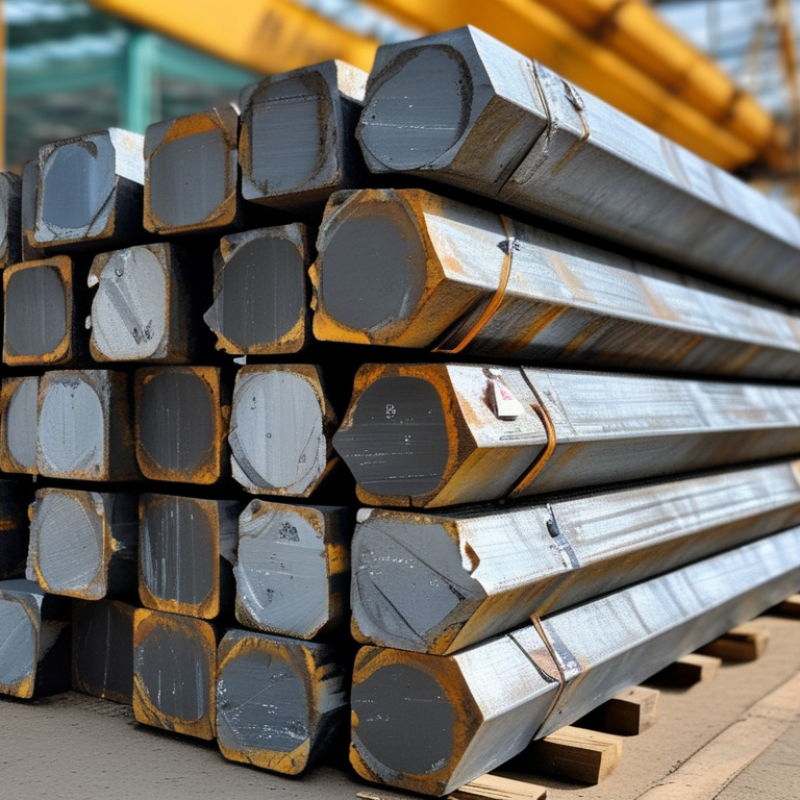
2026 How to Buy Steel in Bulk What to Consider?

Understanding the Types of Steel Available for Bulk Purchase

When considering bulk purchases of steel, understanding the various types available is essential. The market commonly offers carbon steel, stainless steel, and alloy steel. Each type serves specific purposes. According to a recent report from the World Steel Association, carbon steel accounts for about 90% of global steel production, emphasizing its widespread use in construction and manufacturing.

Stainless steel, characterized by its corrosion resistance, is often used in applications where durability is crucial, such as in kitchenware and medical devices. Alloy steel, customized to enhance certain properties, is vital for high-stress applications like aerospace. Selecting the right type of steel hinges on your project's requirements, budget, and the environment where the steel will be used.

Tip: Always check compliance with industry standards to ensure quality.

Price volatility affects steel purchasing. It's wise to keep an eye on market trends. Bulk purchasing can lead to significant savings, but understanding these trends is crucial. Engaging with suppliers who provide clear data and reports can enhance decision-making.

Tip: Establish strong relationships with multiple suppliers to ensure favorable terms.

Remember that the wrong choice can lead to costly mistakes. Regularly reassess your needs and market conditions. By understanding steel types and their applications, you'll make informed buying decisions.

Assessing Your Project Needs and Specifications for Steel

When buying steel in bulk, understanding your project needs is crucial. Start by evaluating the type of steel required. Different projects may demand specific grades, sizes, and finishes. For example, construction projects often need structural steel, while manufacturing might call for specialty steel types. Clear specifications will ensure you source the correct material.

Next, think about the quantity and delivery timelines. Overestimating steel needs can lead to excess inventory, impacting your cash flow. Conversely, underestimating can cause project delays. Always account for potential waste or defects in your calculations. Considering your timeline helps avoid rush orders, which can inflate costs.

Be aware of the fluctuating steel market. Prices can vary based on demand, availability, and global events. Staying informed can benefit your budget. It's also wise to engage with suppliers who have a good reputation. Ask for references and check reviews. Reliable suppliers can provide insights into current market conditions and inventory levels. This supports more informed decision-making, minimizing risks.

Evaluating Suppliers: Key Factors to Consider When Buying Steel

When considering suppliers for bulk steel purchases, several key factors come into play. First, assess the supplier's reliability. Look for companies with a strong track record in delivering orders on time. Delays in steel supply can halt projects and increase costs, which can be detrimental.

Next, analyze the quality of steel. Not all suppliers provide the same standards. Request samples and test reports to ensure the steel meets your project’s specifications. The source of materials and manufacturing processes should align with industry standards. Transparency in sourcing can build trust.

Cost is a crucial aspect but should not be the sole focus. Sometimes, the cheapest option may involve compromises in quality or service. Evaluate the total cost of ownership. Hidden fees or subpar materials can lead to greater expenses over time. Consider the supplier's support and service capabilities. A responsive supplier can be invaluable when issues arise. Establishing a good rapport can make future transactions smoother.

Negotiating Prices and Terms for Bulk Steel Purchases

When negotiating prices for bulk steel, understanding market conditions is crucial. Research current steel prices and trends. Knowledge about demand and supply can give buyers leverage. Consider seasonal fluctuations. Prices can spike or drop depending on industry needs.

Building relationships with suppliers is essential. Trust can lead to better terms and discounts. Initiate open discussions about price expectations. Ask questions about their pricing strategies. This can uncover opportunities for negotiation. Be prepared to share your purchasing volume. A larger order can justify a lower price.

Remember to assess the total cost, not just the price per ton. Delivery fees, storage, and handling can add up. Engage in transparent conversations about these factors. They often affect the final agreement. Offer feedback if suppliers lack clarity. This reflection can lead to improved negotiations in future deals.

Logistics and Transportation Considerations for Steel Delivery

When purchasing steel in bulk, logistics and transportation play a critical role. Consider the distance between the supplier and your facility. Longer distances can increase shipping costs and lead times. Evaluate the delivery options available and choose a method that aligns with your project schedule.

Tips: Always confirm delivery dates. Unexpected delays can disrupt your operations. You should have a buffer in your schedule to address such risks.

Additionally, it’s important to calculate the weight and volume of the steel. Heavy loads may require special vehicles. Ensure the hauler can accommodate the dimensions of your order. Confirm that the truck routes comply with local regulations. Some areas have restrictions for heavy loads.

Tips: Communicate frequently with the transport team. Establishing a strong relationship can lead to more reliable service. Be open to adjusting your plans based on transportation capabilities.

Be mindful of potential damage during transportation. Steel can be susceptible to rust or bending if not properly secured. Inspect the steel upon delivery to address any issues immediately. Building a good rapport with your suppliers can improve both the quality and reliability of your deliveries.

FAQS

: What are the main types of steel available for bulk purchase?

: The primary types are carbon steel, stainless steel, and alloy steel. Each serves specific purposes in various industries.

Why is carbon steel so widely used?

Carbon steel makes up about 90% of global production. Its versatility in construction and manufacturing contributes to its popularity.

What is a key feature of stainless steel?

Stainless steel is known for its corrosion resistance. It's ideal for durable applications like kitchenware and medical devices.

How should I choose the right type of steel?

Evaluate your project's requirements, budget, and the environment for use. Each type has unique qualities that affect performance.

What factors should I consider when selecting a steel supplier?

Check the supplier's reliability, quality standards, and their track record. Good delivery times are crucial for successful projects.

How can I negotiate better prices for bulk steel purchases?

Understand market conditions and establish relationships with suppliers. Share your volume needs to justify requests for lower prices.

Why is analyzing total cost important in steel purchasing?

The total cost includes hidden fees, delivery, and handling. Focusing only on price per ton can lead to unexpected expenses.

What should I do if a supplier lacks transparency?

Provide feedback about your experience. This reflection can help improve future negotiations and supplier communication.

How can market trends affect steel purchases?

Price volatility impacts purchasing decisions. Keeping an eye on trends helps buyers make informed decisions and grab savings.

What happens if I choose the wrong type of steel?

A poor choice can lead to costly mistakes. Regularly reassessing needs and market conditions is essential to avoid this risk.

Conclusion

When considering how to buy steel in bulk, there are several essential factors to keep in mind. First, it is crucial to understand the various types of steel available for bulk purchase, as each type serves different project needs and specifications. This understanding will help you assess what is required for your specific application. Additionally, evaluating potential suppliers is vital; key factors such as reliability, reputation, and product quality should inform your decision-making process.

Furthermore, negotiating prices and terms is an integral part of the purchasing process. Having a clear idea of your budget and the market rates will empower you during negotiations. Lastly, logistics and transportation play a significant role in ensuring timely delivery of steel. Understanding what to consider when buying steel in bulk will ultimately lead to more informed decisions and successful project outcomes.

Charlotte

Charlotte

Charlotte is a seasoned marketing professional with a deep understanding of the company's portfolio and a passion for elevating its presence in the market. With a keen eye for detail and a commitment to excellence, she ensures that our professional blog is regularly updated with insightful articles......