BLS Structural Steel BLS Structural Steel

How to Identify High Quality Steel Materials for Import?

Time:2026-05-11 Author:Oliver
0%

When considering how to identify high quality steel materials for import, the stakes are high. The right steel impacts product durability and safety. Poor-quality steel can lead to structural failures and financial losses.

Understanding the characteristics of quality steel is crucial. Look for certifications that verify compliance with industry standards. Assess the chemical composition and physical properties of the materials. Pay attention to the manufacturing processes involved, as they directly affect steel integrity. High-quality suppliers often provide detailed documentation.

Do not overlook the potential pitfalls in this process. Mistakes in sourcing can stem from lack of experience or inadequate research. Be wary of suppliers that offer prices that seem too good to be true. It's vital to develop reliable assessment techniques. Building a network of trusted contacts can also enhance your knowledge and capability. The journey of identifying high-quality steel is complex, but the rewards can be significant.
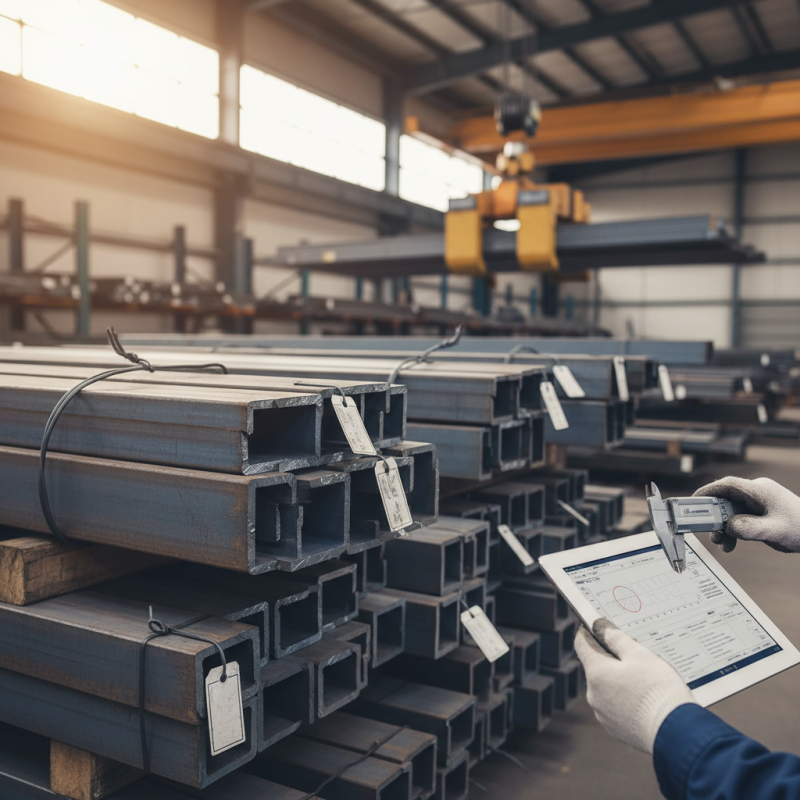
How to Identify High Quality Steel Materials for Import?

Understanding Different Grades of Steel and Their Properties

Understanding different grades of steel is crucial for quality assessment. Steel is classified into various grades based on its properties. These properties include tensile strength, ductility, and corrosion resistance. For example, carbon steel is known for its strength and hardness, making it ideal for heavy-duty applications. However, it can be prone to rust without proper coating.

Another important grade is stainless steel. It combines iron with chromium, providing excellent corrosion resistance. This grade is commonly used in environments exposed to moisture. However, it's essential to consider the specific type of stainless steel, as some grades can be more expensive than others. This variability affects pricing and suitability for different applications.

When importing steel, it's beneficial to assess the standards and certifications associated with the grades. Different regions have varying specifications. Relying on documentation and testing reports can be vital. While these resources provide insight, discrepancies can arise. Thus, direct inspection might sometimes reveal unexpected issues. Understanding these grades can guide buyers in making informed decisions.

How to Identify High Quality Steel Materials for Import?

Steel Grade Chemical Composition Tensile Strength (MPa) Yield Strength (MPa) Applications
A36 Carbon (0.26% max), Manganese (0.60-0.90%) 400-550 250-350 Construction, Structures
304 Chromium (18%), Nickel (8%) 520-720 215-270 Food Industry, Chemical Tanks
SAE 4140 Carbon (0.38-0.43%), Chromium (0.9-1.2%) 655-750 415-620 Automotive, Tooling
S235JR Carbon (0.17-0.22%), Manganese (1.4-1.7%) 340-470 235 General Construction, Fabrication
EN 10025 S355 Carbon (0.22-0.26%), Manganese (1.2-1.6%) 470-630 355 Heavy Structures, Bridges

Evaluating Steel Certifications and Standards for Quality Assurance

When evaluating steel certifications, focus on established standards like ASTM, ISO, and EN. These frameworks ensure materials meet rigorous quality controls. For instance, ASTM A36 provides a baseline for carbon structural steel. Adherence to these standards signals a commitment to quality.

Consider certification processes that steel suppliers undergo. Independent audits enhance reliability. A study by the World Steel Association noted that certified materials lead to improved structural integrity. Companies often report lower failure rates when sourcing certified steel. This correlates directly with safety in construction and manufacturing.

Understanding traceability in supply chains helps identify high-quality steel. Verified sourcing ensures that materials are both ethical and robust. Not all certifications guarantee superior quality. It's beneficial to critically assess the compliance records of suppliers. In some cases, reliance on certification alone may not suffice. Regular scrutiny of supplier practices is essential to ensure ongoing quality assurance.

Quality Assessment of Steel Materials Based on Certifications

Assessing Sources and Suppliers for Reliable Steel Materials

When assessing sources and suppliers for reliable steel materials, thorough analysis is key. The global steel market, projected to reach $1.2 trillion by 2026, highlights the importance of selecting quality sources. Suppliers must adhere to industry standards, such as ASTM or ISO certifications, which ensure materials meet specific performance criteria.

Consider performing audits on potential suppliers. This helps in understanding their production processes and quality control measures. A report by the World Steel Association indicates that over 70% of steel failures stem from poor quality materials. Using suppliers with a proven track record mitigates this risk.

Tips: Always request material test certificates. This enables verification of the steel's composition and properties. Engage in sample testing before large orders to gauge consistency in quality. Remember, a small oversight can result in significant project delays and additional costs. Balancing cost and quality is crucial but can be challenging. Regularly reassess your sources to ensure compliance with evolving standards and market demands.

Conducting Physical and Chemical Tests for Steel Quality

Conducting physical and chemical tests is crucial when assessing steel materials for import. These tests can reveal essential information about the steel's properties. For instance, a tensile test evaluates how much stress the steel can handle before breaking. Understanding the ultimate tensile strength helps ensure the steel will perform well in its intended application.

In addition, chemical tests analyze the steel's composition. Elements like carbon, manganese, and chromium play significant roles in determining the quality and functionality of the steel. A spectroscopic analysis can identify these components accurately. However, conducting these tests can be challenging. It requires specialized equipment and trained personnel. Resources can be limited, particularly in emerging markets, leading to potential inconsistencies in results.

Moreover, there can be discrepancies between test results and real-world performance. Samples may not represent the entire batch, resulting in unexpected failures during use. It is essential to question the results critically. Engaging with certified laboratories or institutions dedicated to material testing adds reliability. By being proactive, importers can ensure they select the highest quality steel, ultimately reducing risks in their projects.

Analyzing Market Trends and Pricing for Import Decisions

When analyzing market trends for high-quality steel imports, suppliers must evaluate data carefully. According to recent market reports, global steel prices have fluctuated significantly, influenced by demand from construction and automotive sectors. In the first quarter of 2023, steel prices averaged $745 per ton, reflecting a 15% increase from the previous year. Understanding these trends is crucial for making informed import decisions.

Importers should also consider regional variations in pricing. In Asia, for instance, prices can differ by up to 10-20% depending on the market. Currency fluctuations further complicate this landscape. A weaker dollar may increase costs for U.S. importers when sourcing overseas. Analyzing domestic versus international pricing can provide insights into the best purchase strategies. Looking at historical data may reveal patterns that suggest when to buy.

Lastly, while analyzing market trends, it's essential to reflect on data reliability. Different reports may provide conflicting views. Importers should seek multiple, reputable sources before making decisions. This approach helps mitigate risk. Moreover, it's wise to continuously assess the quality of the steel materials themselves. Standards and certifications can significantly influence both price and long-term value.

FAQS

: What are the main properties to consider when assessing steel grades?

: Key properties include tensile strength, ductility, and corrosion resistance. Each property influences steel's suitability for different applications.

Why is carbon steel considered strong?

Carbon steel has high strength and hardness. It's suitable for heavy-duty uses. However, it can rust without coating.

What benefits does stainless steel offer?

Stainless steel resists corrosion well. It’s ideal for damp environments. Different grades vary in cost and properties.

How important are certifications when purchasing steel?

Certifications assure quality, adhering to standards like ASTM, ISO, and EN. They signal reliability and commitment to quality.

Why should I verify supplier practices beyond certifications?

Not all certifications indicate superior quality. Supplier compliance records require regular scrutiny to ensure ongoing quality assurance.

What is the role of independent audits in steel certification?

Independent audits enhance trust in steel quality. They help verify that suppliers meet established standards and improve structural integrity.

Can discrepancies arise with steel certifications?

Yes, discrepancies can occur between documentation and actual quality. Direct inspection may uncover unexpected issues.

How does traceability in the supply chain affect steel quality?

Traceability helps identify ethical and robust materials. Verified sourcing can lead to higher quality steel products.

Why is it important to understand different steel grades?

Understanding different grades guides informed purchasing decisions. It helps match steel properties to specific project needs.

Are certified materials always free from failure risks?

While certified materials reduce failure rates, risks remain. Regularly assessing materials and suppliers is essential for safety.

Conclusion

In the article "How to Identify High Quality Steel Materials for Import," various strategies are discussed to ensure the procurement of top-grade steel. To begin with, understanding different grades of steel and their specific properties is crucial, as this knowledge lays the foundation for making informed decisions. Additionally, evaluating steel certifications and standards can provide quality assurance that the materials meet required specifications.

Furthermore, assessing potential sources and suppliers ensures that only reliable steel materials are acquired. Conducting physical and chemical tests is also essential to verify the quality of steel accurately. Finally, analyzing market trends and pricing helps in making prudent import decisions, demonstrating that knowing how to identify high quality steel materials involves a comprehensive approach encompassing various aspects of the steel industry.

Oliver

Oliver

Oliver is a seasoned marketing professional with a wealth of expertise in driving brand awareness and engagement. With a deep understanding of our company's product offerings, he consistently delivers high-quality content that enriches our professional blog. His insights not only shed light on......