BLS Structural Steel BLS Structural Steel

How to Identify High Quality Steel Materials for Procurement?

Time:2026-08-14 Author:Sienna
0%

Identifying high quality steel materials for procurement is essential in many industries. Whether in construction, manufacturing, or automotive sectors, the right steel can greatly impact project outcomes. However, selecting the best materials is often challenging. With numerous suppliers and various grades available, making an informed decision requires expertise.

To address this challenge, one must understand how to identify high quality steel materials. Factors such as composition, tensile strength, and finish play vital roles. A reliable steel must meet specific mechanical properties. Visual inspection can also reveal signs of defects or inconsistencies.

Investing time in research and supplier evaluations is crucial. Not every steel marketed as “high quality” truly meets the standards. Establishing relationships with trusted suppliers can lead to better procurement decisions. Remember, the implications of using subpar materials can be significant. Consider these points carefully to ensure the right choice.
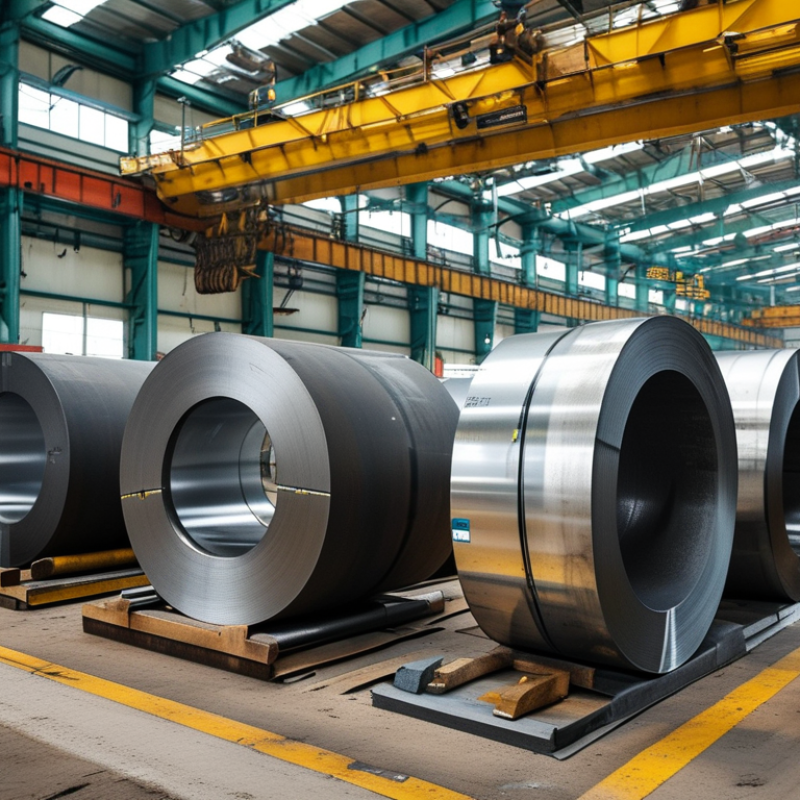
How to Identify High Quality Steel Materials for Procurement?

Understanding the Importance of Steel Quality in Procurement Processes

In procurement processes, steel quality cannot be overlooked. High-quality steel materials directly influence the durability and safety of constructions. According to the World Steel Association, around 1.5 billion tons of steel are produced globally each year, underlining its essential role in various industries. Yet, a staggering 15-20% of that steel may fail to meet quality standards.

Understanding the importance of steel quality begins with recognizing its impact on cost-effectiveness. Poor quality steel can lead to project delays and unexpected expenses. The International Organization for Standardization (ISO) reports that inadequate material quality significantly increases failure rates in structural components. A notable 25% of construction failures stem from substandard materials, highlighting the need for meticulous material selection.

Inspections and certifications play a crucial role in assessing steel quality. Relying solely on suppliers' claims is not enough. Real-world data suggests that 30% of procurement professionals experience discrepancies between expected and delivered quality. Regular audits and laboratory testing should be integral to any procurement strategy to ensure compliance with established standards. While challenges in ensuring steel quality are evident, addressing them proactively is essential for successful procurement.

Key Characteristics to Assess in High-Quality Steel Materials

Identifying high-quality steel materials begins with understanding some key characteristics. One critical aspect is the purity of the steel. Pure steel exhibits fewer impurities and allows for better performance. High-quality steel typically has a low percentage of carbon and other alloys. Check if the steel has undergone rigorous testing to ensure consistency in its composition.

Another important characteristic is the tensile strength of the steel. This refers to how much force the steel can withstand before it breaks. High-quality steel must have high tensile strength, making it ideal for construction and manufacturing. It’s also crucial to assess the corrosion resistance. Steel that can resist rust and degradation will have a longer lifecycle. Ensure that the steel products come with certifications that verify their resistance levels.

Pay attention to the finish of the steel as well. A smooth surface can indicate better quality, as it suggests thorough processing. Yet, not all smooth finishes mean high quality. Some may hide defects. Always trust your instincts and conduct additional checks if something feels off. Lastly, think about the supplier's reputation. Even the best materials can fall short without a reliable source.

Utilizing Industry Standards: ASTM, ISO, and Other Certifications

When procuring steel materials, understanding industry standards is crucial. Recognized certifications like ASTM and ISO provide a framework for quality assessment. ASTM International oversees standard specifications that guarantee the material's performance. For instance, ASTM A36 is commonly used for structural steel and ensures reliable strength and weldability. Projects that require structural integrity must consider these standards.

ISO certifications, particularly ISO 9001, emphasize quality management systems. Companies with ISO certification often display consistent quality through every production step. Reports indicate that ISO-certified manufacturers reduce the risk of defects, promoting safety and efficiency. Buyers should ask for these certifications upfront to validate quality claims.

However, relying solely on certifications can be misleading. Not every certified product meets all project-specific requirements. Some low-cost steel may carry certification but lack proper traceability or testing. It’s essential to dig deeper. Examine the manufacturing processes and inspect material test reports. Engaging with suppliers who value transparency can lead to better procurement decisions.

Evaluating Chemical Composition and Mechanical Properties of Steel

Evaluating the chemical composition of steel is crucial for ensuring quality in procurement. It involves analyzing elements like carbon, manganese, and chromium. Each element plays a role in determining the steel's strength and durability. For instance, higher carbon content can enhance hardness but may reduce ductility. Understanding these trade-offs is essential for making informed decisions.

Mechanical properties, such as tensile strength and yield strength, also need careful assessment. Tensile strength indicates the ability to withstand loads without breaking. Yield strength signifies how much stress the material can handle before deforming. Testing these properties often requires specific standards and methods. You might find variations in results based on test conditions.

It's worth noting that not all suppliers provide detailed certifications for their materials. Inconsistency in reports can lead to inappropriate material selection. Therefore, it’s vital to verify the testing process used by suppliers. This oversight may end up affecting the final product's reliability. Demanding transparency in testing practices can encourage better quality control across the supply chain.

The Role of Supplier Reputation and Traceability in Steel Procurement

When procuring steel materials, supplier reputation plays a critical role. A company's history reflects its commitment to quality. Trusted suppliers often maintain high standards and comply with industry regulations. Strong relationships with suppliers can lead to better service and reliability. Clients benefit from their extensive networks and expertise.

Traceability is another key factor. It allows buyers to track the origin of the steel materials. This ensures that the products meet required specifications. Knowing where materials come from can prevent issues related to quality control. Suppliers who prioritize transparency empower their clients. They can provide certification and documentation, building trust and confidence.

However, not all suppliers can guarantee traceability. Some may lack the necessary systems to track their materials effectively. This can lead to uncertainty and potential delays. It’s essential to scrutinize the supply chain thoroughly. Conducting due diligence is vital to ensuring a reliable procurement process. Buyers should seek feedback from other clients and industry experts to gain insights into a supplier’s reliability.

Quality Evaluation of Steel Materials

FAQS

: Why is steel quality important in procurement?

: Steel quality affects durability and safety in construction. Poor quality can lead to project failures and extra costs.

How much of the world’s steel meets quality standards?

About 15-20% of produced steel may not meet quality standards, highlighting serious procurement risks.

What are the consequences of using poor quality steel?

Using low-quality steel can cause delays, unexpected expenses, and structural failures, impacting overall project success.

How can buyers ensure steel quality?

Buyers should conduct inspections, certification checks, and audits. This helps ensure compliance with established quality standards.

What role do industry standards play in steel procurement?

Industry standards, like ASTM and ISO, provide guidelines for assessing steel quality and ensuring reliable performance.

Are certifications always reliable indicators of steel quality?

No, relying solely on certifications can be misleading. Some certified products may not meet specific project needs.

What should buyers do to validate quality claims?

Buyers should ask for certifications and examine manufacturing processes and material test reports for better insight.

How can poor material quality impact construction projects?

Substandard materials can lead to a significant rate of construction failures, affecting safety and budget.

What percentage of construction failures is attributed to material quality?

Approximately 25% of construction failures stem from the use of low-quality materials, emphasizing careful selection.

What could be the drawbacks of relying on suppliers’ claims?

Suppliers’ claims might not match reality. About 30% of procurement professionals report discrepancies in expected versus delivered quality.

Conclusion

Identifying high quality steel materials is crucial in procurement processes, as the quality directly impacts the durability and performance of the final products. To effectively determine how to identify high quality steel materials, one must understand key characteristics such as tensile strength, ductility, and resistance to corrosion. Additionally, utilizing established industry standards, including ASTM and ISO certifications, can serve as a reliable benchmark for quality assessment.

Furthermore, evaluating the chemical composition and mechanical properties of steel is essential in ensuring that it meets the required specifications. Supplier reputation and traceability are also vital factors; a reputable supplier who provides transparent sourcing and documentation can significantly enhance the assurance of material quality. By focusing on these elements, procurement professionals can make informed decisions and secure high-quality steel materials for their projects.

Sienna

Sienna

Sienna is a skilled marketing professional with a deep expertise in our company’s core products and services. With a passion for innovation and detail, she plays a pivotal role in crafting insightful blog posts that not only highlight the unique features of our offerings but also provide valuable......