BLS Structural Steel
Steel plays a crucial role in modern construction. Renowned architect Dr. Emily Hartman emphasizes, "Steel is the backbone of structural integrity." This highlights the material's importance in creating buildings that last. Its strength, durability, and versatility make it an ideal choice for global buyers.
Why steel is important in construction lies in its ability to support vast loads while resisting extreme weather. Steel structures can withstand earthquakes and heavy winds effectively. This capability addresses safety concerns, which is paramount for construction projects around the world.
However, reliance on steel poses challenges too. The environmental impact of steel production necessitates reflection. Sustainable practices are key for the future. As global demand increases, buyers must consider both strength and sustainability. Investing in steel means balancing immediate needs with long-term consequences. Steel remains vital, yet it demands responsible sourcing and efficient use.
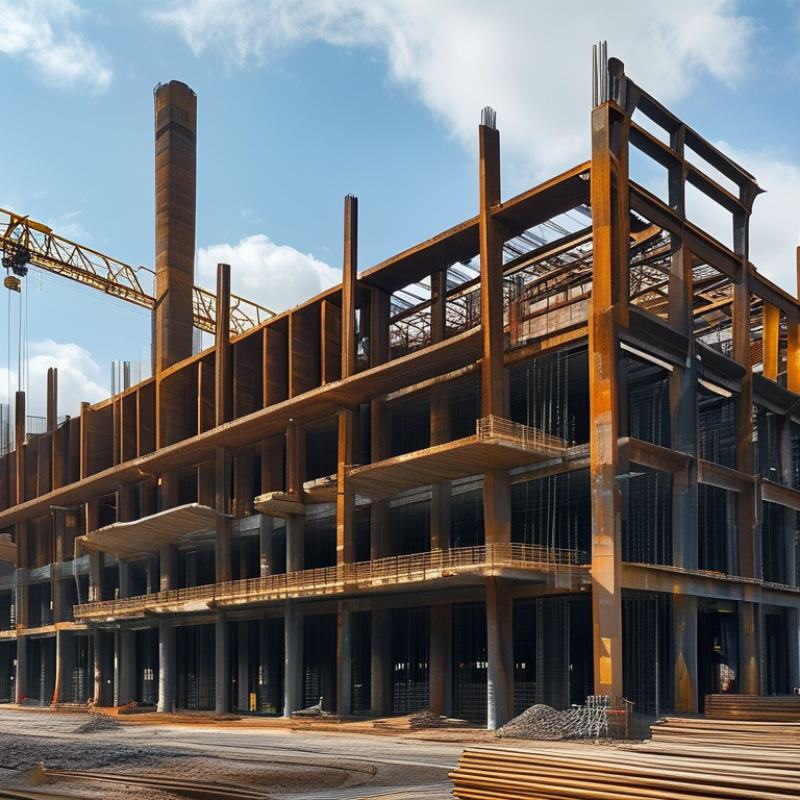
Steel is a fundamental material in construction, integral to developing modern infrastructure. According to the World Steel Association, steel accounts for over 50% of the total weight in a typical building structure. Its high strength-to-weight ratio allows for innovative designs and more efficient use of space. This adaptability is essential for meeting the needs of growing urban populations.
The construction industry often faces challenges related to sustainability and energy efficiency. Steel is 100% recyclable, making it a more sustainable option compared to other materials. In fact, the recycling of steel saves up to 74% of the energy required to produce new steel. As global buyers focus on reducing their carbon footprint, the demand for recycled steel is on the rise. However, sourcing quality recycled materials remains a challenge.
In terms of cost, while steel prices can fluctuate, its longevity often justifies the initial investment. Buildings constructed with steel have a lifespan of more than 50 years, which can offset higher upfront costs. This aspect, combined with the need for skilled labor, raises questions about long-term economic feasibility. Addressing these issues is vital for sustainable growth in the construction sector.
| Aspect | Importance | Global Usage (Metric Tons) | Years of Durability |
|---|---|---|---|
| Structural Integrity | Essential for load-bearing | 1.5 billion | 50+ |
| Cost-effectiveness | Reduces overall project costs | 1.2 billion | 75+ |
| Environmental Impact | Recyclable and sustainable | 900 million | 60+ |
| Versatility | Used in various structures | 1.1 billion | 100+ |
Steel is a cornerstone of modern construction. Its durability and strength make it an essential material for various projects. When constructing skyscrapers or bridges, steel provides the necessary support to ensure stability and safety. Its ability to withstand harsh weather conditions and seismic activities is unparalleled.
A building made with quality steel can last for decades, even centuries. This longevity translates to lower maintenance costs and reduced need for replacements. However, some may overlook the importance of using certified steel. Not all steel is created equal. Inferior materials can lead to structural failures. It’s critical for buyers to be aware and seek reliable sources for their steel needs.
The integration of steel in construction enhances functionality and aesthetics. It allows for creative architectural designs while ensuring integrity. Yet, the cost factor can cause hesitation among buyers. Balancing budget and quality requires thoughtful consideration. Investing in high-quality steel often pays off in the long run, both in safety and durability.
Steel plays a crucial role in construction. Its cost-effectiveness is a significant advantage for global buyers. The use of steel can lead to lower overall project expenses. Compared to other materials, steel offers durability and strength. This means structures can withstand harsh weather. The initial investment might be higher, but long-term savings are substantial.
In construction, labor costs are critical. Steel components are often prefabricated. This speeds up the building process, saving time and money. Additionally, steel structures can reduce maintenance costs. They are less prone to issues like rot or rust. However, buyers must consider the environmental impact. Steel production has a carbon footprint. Balancing cost and sustainability can be challenging but necessary.
Moreover, regional pricing variations can affect total costs. Global buyers should analyze local market trends. Fluctuations in steel prices can significantly impact budgets. Keeping informed about these changes is essential. Some projects may benefit from alternative materials temporarily. Yet, steel’s resilience often makes it the preferred choice in the long run. Adapting to regional dynamics ensures smarter investments in construction.
In modern construction, sustainability is becoming increasingly crucial. Steel is a cornerstone material in this transformation. It offers strength and durability, but its production has environmental impacts that require sincere attention. Steel production primarily relies on fossil fuels, leading to significant carbon emissions. Thus, the industry's challenge is not only to meet demand but to do so responsibly.
Recycling steel is a powerful step toward sustainability. Approximately 90% of steel can be recycled, reducing energy consumption and conserving resources. However, not all projects prioritize this. Many still choose new steel, ignoring the environmental footprint involved. The choice to recycle can demonstrate commitment to eco-friendly practices. But many stakeholders lack awareness about the benefits of recycled materials.
Designing with sustainability in mind is essential. Integrating more steel into projects requires innovative thinking. Designers and engineers must embrace practices that lower the carbon footprint. This could involve utilizing steel from sustainable sources or optimizing designs to use less material. Effective collaboration and education in the industry are paramount for true progress. There is still much work to be done in balancing steel's benefits and its environmental challenges.
This bar chart illustrates the total steel usage across different construction types, demonstrating the critical role of steel in modern sustainable building practices.
The modern construction industry heavily relies on steel due to its exceptional strength and flexibility. Innovations in steel production are paving the way for advanced construction techniques. Automation and technology are enhancing the efficiency of steel manufacturing. This leads to faster project completions and cost-effective solutions. Factories are utilizing newer methods to reduce waste and energy consumption.
Sustainable practices are becoming integral to steel production. Advanced recycling programs are emerging, which ensure that discarded steel can be reused effectively. This reduces the reliance on virgin materials. However, challenges remain in achieving the ideal balance between sustainability and cost. The industry's shift towards greener practices is often hindered by economic constraints.
The quality of steel produced plays a crucial role in structural integrity. Advanced testing methodologies are being introduced to assess steel's strength and durability. Manufacturers are now more focused on meeting high standards. Even with these advances, the pressure on ensuring uniformity and quality remains. Each step in the manufacturing process requires careful oversight, and not every batch meets the desired specs. Continuous improvement and innovation are necessary.
: Steel is essential for its strength and durability. It supports innovative building designs.
Steel production relies on fossil fuels, leading to significant carbon emissions. This poses a sustainability challenge.
Yes, about 90% of steel is recyclable. Recycling saves energy and conserves resources.
Many stakeholders lack awareness of the benefits of recycled materials. This can reflect a lack of commitment to sustainability.
They can focus on using less material and sourcing sustainable steel. Innovative design practices are crucial.
Yes, economic constraints often hinder the adoption of greener practices. Balancing cost and sustainability is difficult.
Automation and new methods improve efficiency, reduce waste, and cut energy consumption. Faster project completions are possible.
Advanced testing and strict manufacturing standards are essential. However, not all batches meet these standards.
Effective collaboration and education are key to advancing sustainable practices. Much work remains to improve the industry.
Yes, continuous innovation and a focus on sustainability are necessary. The industry must address its challenges proactively.
Steel plays a crucial role in construction due to its exceptional durability and strength, making it essential for building integrity. Its ability to withstand various environmental conditions and loads ensures the longevity of structures, which is why steel is important in construction. Additionally, the cost-effectiveness of steel allows for economic benefits across global construction markets, enabling developers to achieve significant savings without compromising on quality.
Modern construction increasingly emphasizes sustainability, with steel's recyclability and reduced environmental footprint making it a preferred choice for eco-friendly projects. Furthermore, innovations in steel production continue to advance construction techniques and standards, enhancing productivity and efficiency. As the industry evolves, the importance of steel in construction remains paramount, addressing both performance and environmental concerns.
