BLS Structural Steel
Steel structures rarely fail because of steel alone. Their service life depends on design decisions, exposure conditions, fabrication quality, protection systems, and maintenance discipline. This is why engineers must ask, “what affects the durability of steel structures” before selecting sections, coatings, or connection details.
The AMPP/NACE IMPACT study estimated that corrosion costs the global economy about US$2.5 trillion annually, equal to roughly 3.4% of global GDP. It also reported that 15% to 35% of corrosion costs could be reduced through better prevention and control. These figures show the financial importance of durable design, not merely its technical value. A coastal warehouse faces salt spray, trapped moisture, and wet-dry cycles. An industrial frame may encounter chemicals, heat, vibration, or abrasive dust. Small details matter.
Water can sit inside an unsealed connection. Rust can begin beneath a damaged coating. A narrow gap may remain unnoticed for years. ISO 12944 provides widely used guidance for corrosion protection, exposure categories, and coating systems. Eurocode 3 also addresses structural design considerations, including durability-related detailing. However, standards cannot replace site judgment. Reports often present broad averages, while real structures experience irregular drainage, imperfect workmanship, and delayed inspections.
This article examines seven key factors that affect steel structure durability, including corrosion exposure, material selection, connection detailing, protective coatings, fire resistance, construction quality, and maintenance planning. Some factors overlap. That is the difficult part. A strong coating cannot fully correct poor drainage, and frequent inspections cannot repair fundamentally inadequate design.
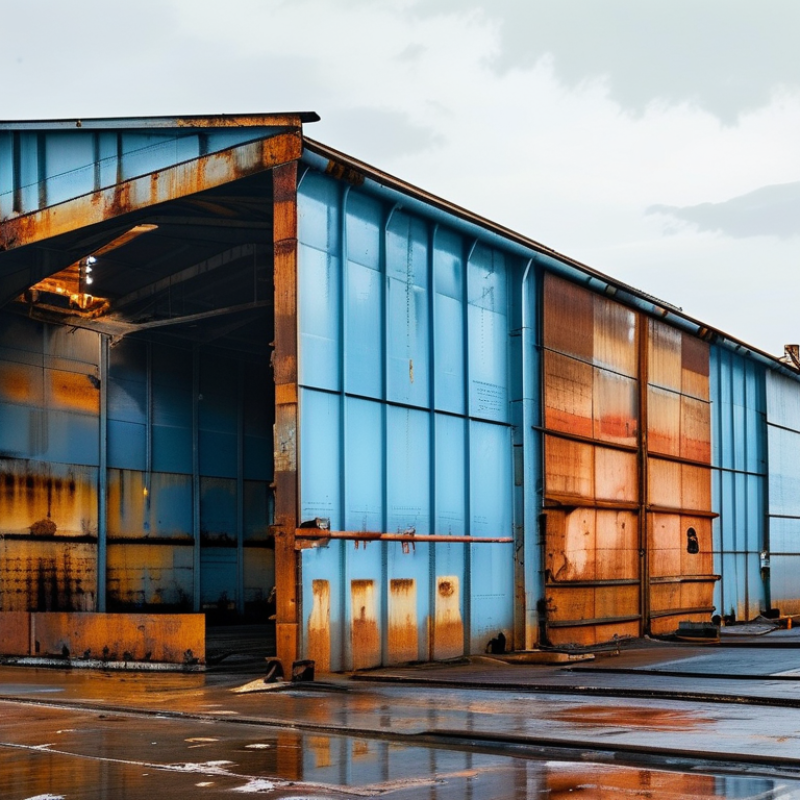
Steel durability begins with the material selected for the project. Engineers should verify its grade, yield strength, chemical composition, and manufacturing records. Consistent quality reduces cracking, brittle failure, and unexpected deformation. A small impurity can become a serious weakness under repeated loading.
Corrosion protection matters just as much. Galvanized surfaces, suitable coatings, and sealed connections help steel resist rain, salt, and industrial moisture. However, coatings fail when sharp edges remain untreated or water collects behind plates. Site inspections should check scratches, trapped moisture, and early rust around bolts and welds. These details are easy to miss.
Structural design must match real service conditions. Engineers consider wind, snow, vibration, temperature changes, drainage, and future loads. Good detailing avoids narrow gaps where dirt and water can accumulate. Smooth transitions also reduce stress concentrations near welded joints. Bolted connections need correct tightening, while welds require qualified procedures and careful inspection.
Maintenance access should influence the design from the beginning. Workers cannot protect areas they cannot safely reach. This is often overlooked. In practice, a slightly more accessible connection may last longer than a cheaper, complicated detail. Designers should also allow for inspection records, coating repairs, and possible component replacement. Durable steel structures depend on sound calculations, honest material documentation, and decisions that remain practical after construction ends.
Environmental exposure is one of the strongest influences on steel structure durability. Moisture starts the process, but exposure conditions determine its speed. Coastal air carries salt onto beams, bolts, and welded joints. Industrial pollutants can also create acidic surface films. These films remain active when drainage is poor.
In field inspections, I often find corrosion around connection plates first. Small gaps trap rainwater and dust. Condensation inside hollow sections causes hidden damage. Chlorides can travel beneath damaged coatings, even when the visible surface looks acceptable. A dry climate does not remove every risk. Nighttime temperature changes may still produce condensation.
Design teams should check local humidity, rainfall, salt exposure, pollution, and soil contact. Coatings need suitable preparation and enough thickness. They also need regular inspection. Look closely at welds, bolt heads, corners, and water traps. Clean drainage paths can prevent long periods of wetness. Dissimilar metals require attention because galvanic corrosion may accelerate local damage. No inspection plan is perfect. I have seen sound-looking structures deteriorate because one concealed joint was ignored. That mistake deserves review. Records should include photographs, coating defects, corrosion depth, and repair dates. Small rust spots are not always harmless. Even minor blistering may signal moisture beneath the coating.
Steel structure durability depends heavily on construction accuracy and connection reliability. A strong design can still fail early when members are misaligned or joints are poorly assembled. During installation, surveyors should check column positions, elevations, and beam levels before tightening connections. Small errors can create unexpected stress and uneven load distribution.
Connection work needs disciplined control. Bolts should match the specified grade, size, and tightening method. Contact surfaces must remain clean, while damaged threads or distorted holes require correction, not concealment. Welds need proper preparation, controlled heat input, and qualified inspection. Visual checks are essential, but critical joints may also require non-destructive testing. Water often enters through small gaps, so connection details should support drainage and prevent trapped moisture.
Tips: Use calibrated tools and record each inspection. Confirm bolt tension after nearby members are adjusted. Protect unfinished joints from rain and standing water. Do not assume a neat appearance proves reliable workmanship.
Field experience shows that rushed corrections can create longer-term problems. A plate may fit after force is applied, yet residual stress remains. That is easy to overlook. Engineers and supervisors should review deviations openly and document every repair. Construction quality is not perfect, but transparent checking makes failures less likely. Connection reliability grows from accurate fabrication, careful installation, and evidence-based inspection.
7 Best Factors That Affect Steel Structure Durability?
Steel structure durability depends heavily on protective coatings and drainage management. A strong coating cannot protect water trapped at joints, base plates, or horizontal ledges. Field inspections often reveal mud collecting behind stiffeners and bolt connections. Before painting, inspect welds, sharp edges, bolt heads, and hidden contact areas. Remove oil, mill scale, and loose rust through a documented preparation process. Use a compatible primer and topcoat for the site’s humidity, salt exposure, and temperature changes. Measure coating thickness instead of guessing. Thin spots often appear around edges and welds. They may look harmless during handover. They are not.
Drainage details matter just as much. Sloped surfaces should guide water toward clear outlets, while weep holes must remain open. Gutters and downpipes need regular cleaning, especially near trees or dusty roads. A small leak can keep steel wet for hours. Even experienced teams miss blocked drains after construction work. That assumption deserves reconsideration. Protective coatings also require repair after cutting, drilling, or welding. Clean and dry the damaged area before recoating. Adding paint over damp rust usually hides the problem briefly.
Tips: Walk around the structure after heavy rain. Look for puddles, rust staining, blistering, and peeling edges. Record exact locations, coating readings, and inspection dates. Recheck after one season, not only at handover. If water remains, correct its path before adding another coat. More paint is not always the answer.
Protective coatings and drainage management are among the most effective controls for reducing corrosion risk.
The index is an engineering-priority scale from 0 to 10, based on widely used corrosion-control practices. Surface preparation, coating integrity, moisture control, and drainage design should be assessed together. Typical specifications include Sa 2.5 surface preparation, keeping steel at least 3°C above the dew point during coating, and providing positive drainage where water can collect. Exact coating thickness and inspection intervals depend on the exposure category and design standard.
Steel structure durability depends on more than the original design and material grade. In site inspections, I have found that moisture causes the earliest visible warning signs. Rust often begins around bolted joints, welds, drainage points, and damaged coatings. Inspectors should check these areas closely, even when the main frame looks sound. Record everything. Photographs, coating thickness, rust location, and measured section loss create reliable maintenance evidence.
A practical inspection plan should combine routine visual checks with detailed examinations by qualified engineers. Look for cracked coatings, standing water, loose bolts, distorted members, and unusual vibration. Compare current findings with earlier records. This reveals whether deterioration is stable or accelerating. Cleaning gutters and removing trapped debris can protect steel more effectively than occasional repainting. However, repainting over active corrosion only hides the problem.
Service-life control also requires attention to changing loads, building use, ventilation, and local weather. A structure near salt air may need shorter inspection intervals than one in a dry inland environment. Maintenance decisions should follow documented risk assessments and suitable engineering standards. Our earlier inspections sometimes focused too heavily on visible rust. That approach was incomplete. Hidden moisture and inaccessible connections deserved more attention. Small defects are easier to repair before water reaches the steel core. Reassess the plan after severe storms, alterations, or unexpected movement.
Check the steel grade, yield strength, chemical composition, and manufacturing records. Small impurities can cause cracking or brittle failure.
Galvanizing, suitable coatings, and sealed connections block rain, salt, and industrial moisture. Unprotected sharp edges remain vulnerable.
Check scratches, trapped water, and rust near bolts or welds. These small marks often appear before serious damage.
Design should consider wind, snow, vibration, temperature changes, drainage, and future loads. Assumptions may need review later.
Workers cannot safely protect hidden areas. An accessible connection may last longer than a cheaper, complicated detail.
Misaligned columns, incorrect elevations, and uneven beams can create unexpected stress. Small errors can affect load distribution.
Use calibrated tools and record inspections. Confirm bolt tension after nearby members move or adjustments occur.
Bolts need the specified grade, size, and tightening method. Welds need clean preparation, controlled heat, and qualified inspection.
No. A tidy joint can hide damaged threads, forced plates, or trapped moisture. Appearance alone is weak evidence.
Review deviations openly and document every repair. Rushed corrections may leave residual stress, even when the plate fits.
Steel structure durability depends on a combination of material quality, thoughtful design, and reliable execution. The choice of steel grade, structural dimensions, load calculations, and connection details directly influences strength and long-term performance. Environmental exposure is also critical, as moisture, salt, chemicals, temperature changes, and pollution can accelerate corrosion. Understanding what affects the durability of steel structures helps engineers select suitable materials and design protection measures for each project’s conditions.
Accurate construction is essential because poor alignment, welding defects, loose fasteners, or weak connections can reduce structural reliability. Protective coatings, effective drainage, and proper ventilation help prevent water accumulation and corrosion in vulnerable areas. In addition, regular inspections and timely maintenance allow small defects, coating damage, and corrosion to be addressed before they become serious problems. By combining quality control, environmental protection, dependable connections, and planned service-life management, steel structures can remain safe, functional, and durable for many years.
