BLS Structural Steel BLS Structural Steel

How Raw Material Prices Affect Construction Projects Globally?

Time:2026-07-03 Author:Ethan
0%

The construction industry is heavily influenced by the fluctuation of raw material prices. As noted by John Smith, a leading expert in construction economics, “Understanding how raw material prices affect construction projects is crucial for project success.” This volatility can significantly impact project budgets, timelines, and overall feasibility.

For instance, when steel prices rise unexpectedly, projects may face delays due to budget reevaluations. Contractors must adapt to these changes or risk financial strain. Raw material costs often dictate the choices made on-site, including design simplifications or material substitutions. It’s a constant balancing act.

Even seasoned professionals sometimes underestimate the rapid shifts in market prices. This can lead to poorly planned budgets and unexpected project extensions. Awareness and adaptability are vital. The focus on how raw material prices affect construction projects is essential for maintaining project integrity and profitability in an unpredictable market.
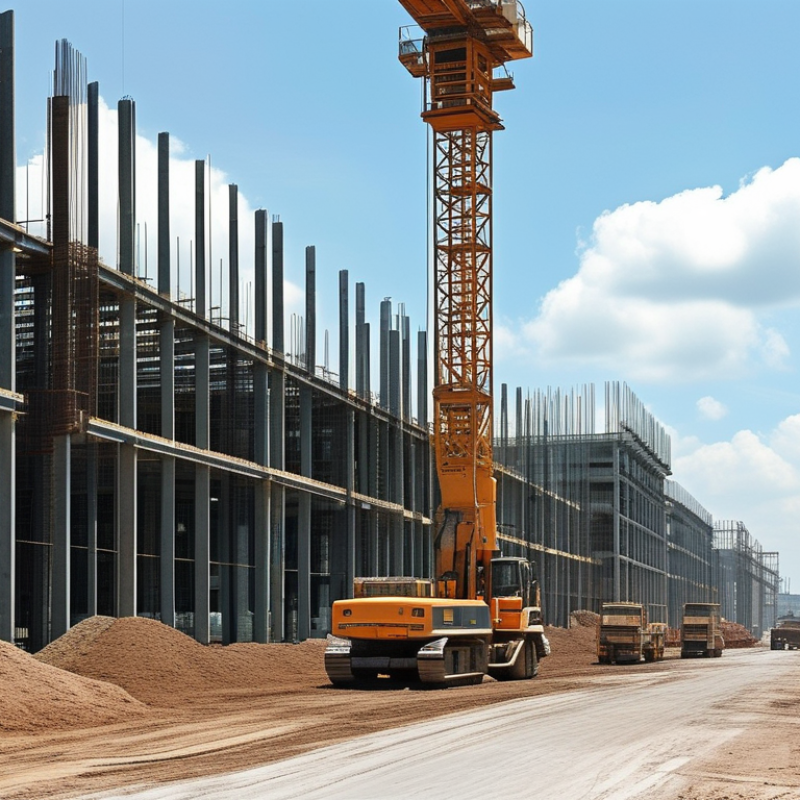
How Raw Material Prices Affect Construction Projects Globally?

Impact of Raw Material Prices on Construction Costs

Raw material prices significantly impact construction costs worldwide. Fluctuations in prices for steel, concrete, and timber can escalate overall project expenses. According to a recent report by the Global Construction Outlook, construction costs rose by 5% in 2023, largely due to the volatility of raw materials. For example, steel prices surged by about 40%, directly affecting infrastructure projects.

Many contractors face tight margins. When raw material prices increase, they must either absorb costs or pass them to clients. This often leads to project delays and compromises in quality. The Construction Cost Index highlights that raw material expenses account for nearly 50% of total construction costs. This statistic underscores the critical role of material price stability in budgeting and planning.

**Tips:** Always monitor market trends for raw materials. Building strong relationships with suppliers can lead to better pricing agreements. Evaluate alternative materials that may be more cost-effective without sacrificing quality.

Key Raw Materials Influencing Global Construction Markets

Raw materials play a crucial role in the construction industry, impacting costs and timelines. Steel, cement, and timber are among the key materials that shape global construction markets. Fluctuations in their prices can significantly alter project budgets and schedules. For instance, the price of steel has surged due to supply chain disruptions and rising demand. This spike forces contractors to reevaluate their project scopes.

Timber is another vital raw material. Recent shortages have led to increased prices, affecting residential and commercial projects alike. Builders often find themselves having to source alternative materials or adjust their designs. This unpredictability challenges project management and can cause delays. The reliance on certain materials highlights an industry vulnerability to external factors like geopolitics and climate events.

Addressing these price dynamics requires flexibility and innovation. Some companies are exploring sustainable materials as alternatives to traditional ones. However, this transition can be slow and costly. The industry must continuously adapt to these changes while striving for efficiency and sustainability in construction practices.

Trends in Raw Material Prices and Their Economic Implications

Raw material prices play a crucial role in shaping the landscape of construction projects worldwide. As these costs fluctuate, they directly impact project budgets and timelines. For example, a spike in steel prices can delay construction schedules and force companies to reconsider their sourcing strategies. This often results in increased project costs, which can discourage investment in new developments.

Economically, rising raw material prices can curb growth in the construction sector. Companies may face tighter margins, leading them to scale back on hiring or to delay important projects. For instance, when lumber prices surged in recent years, many builders paused their plans. This halt created a ripple effect, affecting suppliers, laborers, and ultimately consumers.

While some may argue that price increases are a simple supply-and-demand issue, it's more complex. Fluctuations can indicate broader economic uncertainties that require serious reflection and strategic redirection.

Strategies for Managing Raw Material Price Volatility in Projects

Managing raw material price volatility is crucial for construction projects globally. With the construction sector facing potential disruptions, strategic approaches can mitigate risks effectively. For instance, a report by the Global Construction Outlook highlights that material costs can comprise up to 60% of project expenditures. Such volatility significantly impacts project budgets and schedules.

Developing robust supply chain relationships is one strategy. Engaging with multiple suppliers can provide alternatives when prices surge. Just-in-time inventory management can also reduce holding costs and minimize waste. A study from Market Research Future shows that companies employing flexible procurement strategies can reduce material costs by up to 15%.

Tip: Regularly review market trends for raw materials. Awareness helps in making informed purchasing decisions. Also, consider using advanced forecasting tools to predict price fluctuations. These strategies not only shield projects from unexpected hikes but also lead to more sustainable practices.

Regional Variations in Raw Material Prices and Construction Strategies

Raw material prices can vary dramatically across regions.
In North America, lumber prices surged in 2021, impacting housing projects. Meanwhile, in Europe, steel prices climbed due to supply chain disruptions. These fluctuations create challenges for construction firms. They must adapt their strategies based on local material costs.

In Asia, countries like China face different dynamics. Local suppliers often control material prices, influencing project budgets. As the demand for green construction rises, these prices can spike further. Builders must be flexible. They may need to switch materials to remain competitive.

Every region requires a tailored approach. Ignoring local price trends can lead to project delays or budget overruns. Successful companies constantly monitor these changes. It's crucial to refine sourcing strategies and anticipate shifts in the market.

FAQS

: How do raw material prices affect construction costs?

: Raw material prices significantly influence construction costs, often causing them to rise unexpectedly.

What happened to construction costs in 2023?

Construction costs rose by 5% in 2023, mainly due to volatile raw material prices.

Which materials most affect construction costs?

Key materials include steel, concrete, and timber, all of which heavily impact project budgets.

Why have steel prices increased recently?

Steel prices surged due to supply chain disruptions and rising global demand for construction projects.

What impact do increased prices have on contractors?

Contractors face tight margins. Higher material costs may lead to project delays or quality compromises.

How much do raw materials typically account for in total construction costs?

Raw material expenses can comprise nearly 50% of total construction costs, highlighting their importance.

What can builders do to manage raw material price fluctuations?

Builders should monitor market trends and build relationships with suppliers for better pricing agreements.

How do timber shortages affect construction projects?

Timber shortages raise prices and force builders to seek alternative materials or adjust designs, causing delays.

Are sustainable materials a solution for rising costs?

Some companies explore sustainable materials, but this transition can be slow and may increase initial costs.

What challenges do the fluctuation of material prices pose?

Price fluctuations challenge project management and require flexibility and innovative solutions from the industry.

Conclusion

The article "How Raw Material Prices Affect Construction Projects Globally" delves into the significant impact that fluctuations in raw material prices have on construction costs worldwide. It outlines key raw materials, such as steel, cement, and timber, that play a critical role in shaping global construction markets. Current trends illustrate how these price variations not only affect project budgets but also have broader economic implications, influencing overall market stability and growth.

Furthermore, the article discusses effective strategies for managing price volatility, including long-term contracting and diversified sourcing. It highlights regional variations in raw material prices, emphasizing how localized strategies can mitigate risks and optimize project delivery. This comprehensive analysis underscores the importance of understanding how raw material prices affect construction projects, offering valuable insights for industry stakeholders aiming to navigate an increasingly dynamic economic landscape.

Ethan

Ethan

Ethan is a seasoned marketing professional with a deep expertise in our company's innovative product line. With a passion for sharing knowledge and insights, he takes the lead in regularly updating our corporate blog, where he explores industry trends, product features, and effective marketing......