BLS Structural Steel
Selecting metal materials is crucial for any engineering project. The right choices can enhance functionality, durability, and cost-effectiveness. However, many engineers struggle with how to select the right metal materials for engineering. This task involves several factors, including mechanical properties, environmental conditions, and material availability.
Different metals offer unique advantages. For instance, steel is known for its strength, while aluminum is appreciated for its lightweight nature. Each project may require a different approach. For example, corrosion resistance becomes essential when designing components for harsh environments. Engineers must consider these diverse needs carefully.
The selection process can be overwhelming. Engineers often face pressure to meet deadlines while ensuring quality. Often, mistakes arise from a lack of experience or insufficient knowledge about material properties. Reflecting on previous projects can help improve future choices. Understanding how to select the right metal materials for engineering is not just an academic exercise; it has real-world implications.
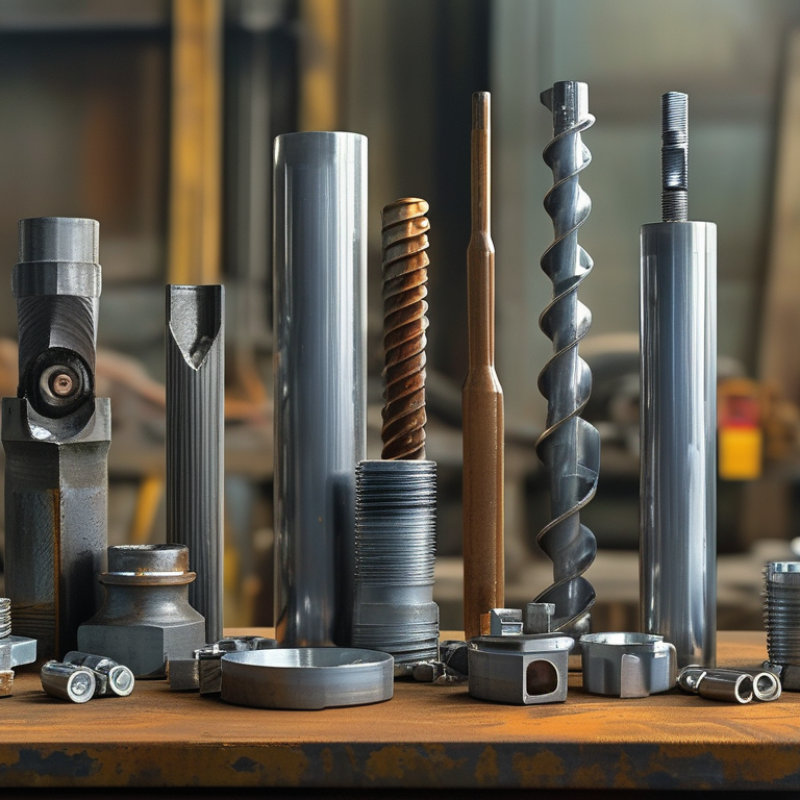
Understanding mechanical properties is crucial in selecting metal materials for engineering projects. These properties include tensile strength, ductility, hardness, and fatigue resistance. For example, a metal with high tensile strength can withstand significant forces without breaking. This is essential for structural applications where loads are substantial.
Choosing a metal with the right properties can be challenging. Engineers often face trade-offs. A metal that is very hard might be brittle, making it prone to fractures. Conversely, a ductile metal can bend and deform under stress, which might be undesirable in certain scenarios. It's vital to analyze how these properties affect the intended use of the metal.
Real-world projects often reveal the complexities of material selection. An apparent choice may prove inadequate under stress tests or environmental conditions. Engineers must consider factors like corrosion resistance and thermal properties. Sometimes, a material that seems perfect on paper fails in practice. Learning from these experiences is key to better future selections.
Selecting the right metal materials for engineering projects is crucial. Several key factors influence this decision. First, the mechanical properties of the metal affect its performance. Strength, ductility, and toughness are critical. Engineers must weigh how these qualities align with project needs.
Corrosion resistance is another vital consideration. Environmental factors play a significant role. Metals like aluminum and stainless steel offer good resistance in harsh conditions. However, not all metals suit every environment. Understanding the specific application helps in making informed choices.
Cost is often a deciding factor, but it's essential to evaluate long-term value. Cheaper metals may require more maintenance, leading to higher costs later. Sustainability is increasingly important, too. Using recycled metals can reduce the carbon footprint. Engineers must reflect on the trade-offs between cost and environmental impact in their choices.
When selecting metal materials for engineering projects, understanding the properties and applications of common engineering metals is crucial. Aluminum is known for its lightweight nature and corrosion resistance. It is often used in aerospace and automotive industries. However, it can be less durable compared to other metals under high stress. Steel, on the other hand, is renowned for its strength and versatility. It is widely used in construction and heavy machinery. Yet, it is prone to rust if not treated properly.
Copper is celebrated for its excellent electrical conductivity. It’s a go-to in electrical applications. However, copper can be expensive compared to alternatives, making it a less viable option for budget-sensitive projects. Titanium boasts exceptional strength-to-weight ratio. It is ideal for medical implants and aerospace. Despite this, titanium can be challenging to work with due to its price and machining difficulty.
**Tip:** Always consider the environmental conditions your project will face. Corrosion resistance is key in challenging environments.
As you weigh your options, reflect on how each metal aligns with your project goals. Choosing the right material can be a complex decision. It involves balancing cost, performance, and long-term durability.
**Tip:** Don’t overlook the importance of sourcing materials from reliable suppliers. Quality can significantly affect the outcome of your project.
Selecting the right metal materials for engineering projects involves a careful evaluation of cost and performance. According to industry reports, stainless steel has a higher initial cost compared to aluminum but offers superior corrosion resistance. For example, 304 stainless steel costs around $2.50 per pound, whereas aluminum can be as low as $1.00 per pound. However, the long-term durability of stainless steel may justify its price in certain applications, saving money on replacements.
Another consideration is weight. Aluminum is significantly lighter than steel. This advantage is crucial in industries like aerospace, where every pound matters. A report by the Aluminum Association indicates that using aluminum can reduce overall project weight by up to 20%. Nonetheless, this weight saving must be weighed against potential performance trade-offs. Aluminum may not be suitable for high-stress applications without proper alloying.
Understanding the specific requirements of your project is essential. Sometimes, a cheaper material might lead to failures and higher costs in the future. Engineers often need to balance initial expenditures with long-term benefits. Utilizing a performance index can help. This tool allows for a quantitative comparison of materials based on relevant metrics, enabling more informed decisions that align with project objectives.
Selecting the right metal materials for engineering projects involves more than just functionality. Sustainability considerations are increasingly important. Metals have distinct environmental impacts. Understanding these can guide better choices.
Recycled metals, for instance, reduce mining waste. They save energy during production. Choosing aluminum or steel from recycled sources can minimize carbon footprints. However, verifying the sourcing of recycled materials can be challenging. Ensure suppliers practice transparency.
Designing for durability can also provide sustainability benefits. Longer-lasting materials decrease the frequency of replacements. Corrosion-resistant metals can be more costly upfront but save money and resources over time. The challenge lies in balancing initial costs with long-term gains.
Tips for successful selection include assessing life cycle impacts. Consider the end-of-life recycling options for every metal you choose. Engage with suppliers about their sustainability practices. Prioritize materials that align with your project’s long-term sustainability goals.
: Mechanical properties, corrosion resistance, cost, and sustainability are crucial in metal selection.
Corrosion resistance can affect a metal's performance in harsh environments, making it essential for long-term durability.
Cheaper metals might need more maintenance, leading to higher future costs compared to more expensive, durable options.
Recycled metals reduce mining waste and energy use, contributing to lower carbon footprints for projects.
It’s essential to verify the transparency of suppliers about their sourcing and sustainability practices.
No, specific metals are suited to certain conditions. Understanding application needs is necessary for informed choices.
Assessing life cycle impacts helps in understanding a metal's environmental footprint and its end-of-life recycling options.
Durable materials reduce replacement frequency, which can save resources and costs over time, offering long-term benefits.
While aluminum is lightweight and corrosion-resistant, it may not be as durable under high stress compared to other metals.
Engineers should balance performance, cost, and sustainability, reflecting on how each choice aligns with project goals.
In the process of how to select the right metal materials for engineering projects, understanding mechanical properties is crucial. These properties, including strength, ductility, and fatigue resistance, play a pivotal role in determining the suitability of metals for specific applications. Key factors influencing metal selection encompass environmental conditions, load requirements, and manufacturing processes, all of which must be carefully evaluated.
A comparative analysis of common engineering metals such as steel, aluminum, and titanium reveals their unique advantages and applications, helping engineers make informed choices. Furthermore, evaluating the balance between cost and performance ensures that projects remain budget-friendly while meeting necessary specifications. Lastly, sustainability considerations are increasingly important, guiding the selection process towards materials that not only meet technical needs but also align with environmental goals.
