Steel is a fundamental material in modern construction, offering unparalleled strength and durability. Industry expert Dr. Emily Carter, a renowned structural engineer, emphasizes, "Steel transforms the design of buildings, ensuring resilience against unpredictable forces." This highlights how steel improves building strength, a critical aspect for global buyers seeking reliability in construction.
In the face of natural disasters, steel structures often withstand extreme conditions better than traditional materials. Reinforced steel beams and columns provide support against earthquakes and strong winds. This capability enhances the longevity of buildings, making them more viable investment options. However, challenges remain in sourcing quality steel and ensuring proper treatment.
As the construction industry evolves, understanding how steel improves building strength becomes crucial. Collaborations between architects and structural engineers are essential. These partnerships foster innovation and address the flaws that can arise from using subpar materials. The quest for stronger, safer structures continues, reminding us that there’s always room for improvement.
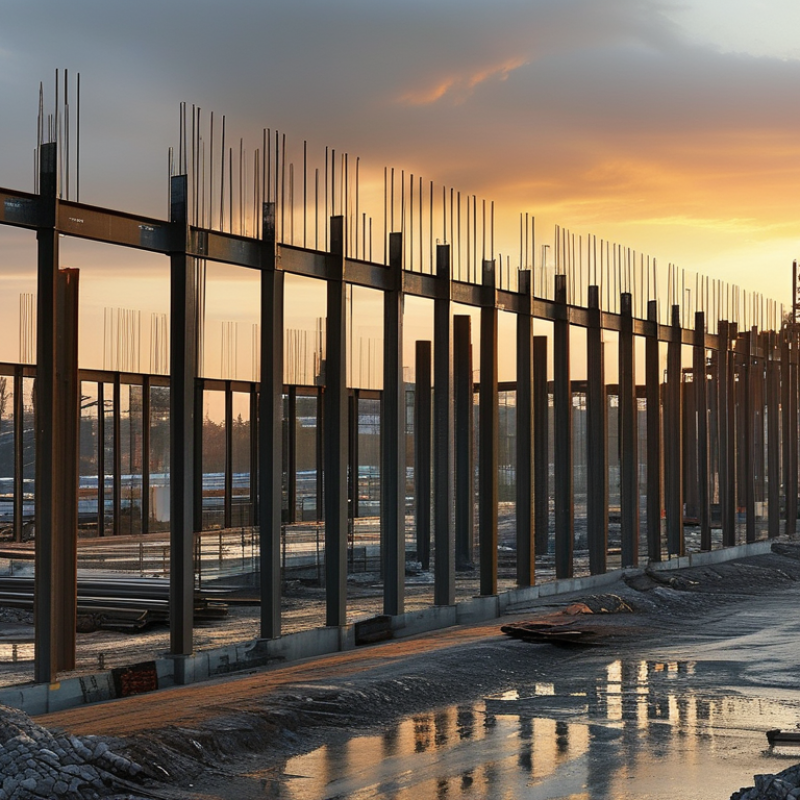
The Role of Steel in Modern Structural Engineering Practices
Steel plays a crucial role in modern structural engineering practices. Its strength and versatility have made it a favored material for building projects worldwide. Engineers appreciate steel for its ability to withstand heavy loads. This aspect is vital in designing skyscrapers and bridges. Steel’s high tensile strength allows it to expand design possibilities.
However, the reliance on steel raises questions about sustainability. The production of steel can contribute significantly to carbon emissions. Architects and engineers need to be aware of this impact. Finding a balance between strength and environmental responsibility is essential. Innovative approaches, like using recycled steel, can help mitigate these concerns.
Steel's properties enable architects to create innovative structures. Curved designs and large open spaces become possible with steel's flexibility. Yet, engineers must continually assess their designs for safety and efficiency. Each project presents unique challenges. This reality pushes the industry to reevaluate methods and materials regularly, fostering ongoing improvement and adaptation in engineering practices.
Key Properties of Steel that Contribute to Building Integrity
Steel is hailed for its remarkable properties that enhance the strength of buildings. One key property is tensile strength. This refers to steel's ability to withstand tension without breaking. When applied in construction, it allows structures to bear heavy loads while maintaining stability. Buildings in earthquake-prone areas can greatly benefit from this feature.
Another vital property is ductility. Steel can deform under stress without fracturing. This flexibility is crucial during unexpected events like earthquakes or high winds. Structures can sway without collapsing. This quality keeps them safe and intact, which is vital for urban areas.
Corrosion resistance also plays a pivotal role. Steel can be treated to resist rust and degradation over time. This leads to longer service life for buildings, reducing the need for frequent repairs. However, if not adequately treated, steel can suffer from corrosion, compromising its integrity. Regular inspections and maintenance are essential to ensure its durability. This ongoing attention is a reality that builders must acknowledge.
Statistical Evidence: Steel vs. Alternative Materials in Strength Tests
Steel is a crucial material in modern construction. Its strength significantly surpasses that of many alternative materials, like wood or concrete. In various strength tests, steel consistently demonstrates a remarkable ability to withstand extreme loads. For instance, steel columns can endure heavy weights while maintaining structural integrity. This toughness is vital for skyscrapers and bridges.
Statistical evidence supports steel's advantages. A study revealed that steel structures endure higher stress levels compared to alternatives. In seismic areas, steel's flexibility allows buildings to sway without collapsing. Materials like concrete can crack under pressure, leading to dangerous failures. Steel's resilience also translates into longer lifespans, leading to better long-term investments.
However, while steel has many benefits, it is not without challenges. Corrosion can weaken its strength if not properly maintained. Additionally, the environmental impact of steel production raises valid concerns. It is essential to balance durability and sustainability. Ongoing research and innovations aim to address these issues, suggesting a brighter future for steel in construction.
How Steel Enhances Building Strength for Global Buyers? - Statistical Evidence: Steel vs. Alternative Materials in Strength Tests
| Material |
Tensile Strength (MPa) |
Compressive Strength (MPa) |
Flexural Strength (MPa) |
Durability (Years) |
| Steel |
400-600 |
250-300 |
200-300 |
50+ |
| Reinforced Concrete |
150-300 |
20-50 |
15-30 |
30-50 |
| Wood |
30-80 |
20-50 |
10-25 |
20-30 |
| Brick |
20-50 |
30-70 |
15-30 |
50+ |
| Aluminum |
200-400 |
70-160 |
90-150 |
30-50 |
Global Trends in Steel Usage for High-Rise and Commercial Buildings
The use of steel in high-rise and commercial buildings is on the rise globally. Steel offers unique benefits that enhance strength and durability. Its high tensile strength allows for thin, lightweight designs, making it ideal for tall structures. This versatility gives architects more creative freedom. However, relying heavily on steel can pose some challenges. Not every region has easy access to quality steel, which may affect project timelines.
In fast-growing urban areas, the demand for steel continues to surge. Construction projects often require rapid completion. Steel’s quick assembly can cut down labor costs and time. Yet, the environmental impact of steel production can't be ignored. More industry players are considering sustainable options, such as recycled steel. It raises questions about balancing economic need with environmental responsibility. As countries adapt to changing climate policies, the steel industry faces scrutiny.
High-rise buildings symbolize modern engineering achievements. They dominate skylines and shape city life. The integration of steel extends to commercial spaces too. These buildings foster social interaction and commerce. Still, the reliance on steel brings complexities. Maintenance issues and lifecycle costs are often overlooked. Ultimately, understanding these dynamics is crucial for future architects and builders.
Case Studies on Steel-Enhanced Structures Around the World
Steel plays a crucial role in modern architecture. It allows for taller buildings and innovative designs. For example, the Burj Khalifa in Dubai showcases how steel frameworks support immense heights. Its resilience against wind stress and seismic forces is impressive. This structure demonstrates how steel can enhance safety while pushing architectural limits.
In Japan, the Tokyo Skytree stands as another steel marvel. Built to withstand earthquakes, it reflects the careful planning that goes into steel construction. Designers opted for a tubular structure, maximizing stability without adding excess weight. This choice highlights the creativity steel inspires, despite potential challenges in material sourcing.
While steel offers strength, its environmental impact raises concerns. The production process emits significant carbon. Innovations in recycling steel and using sustainable practices are essential. Relying on steel also means grappling with fluctuating market prices. Global buyers must navigate these realities as they consider future projects. The balance of using steel involves not just strength, but responsibility too.
How Steel Enhances Building Strength for Global Buyers
FAQS
: Tensile strength refers to steel's ability to withstand tension without breaking. This property enhances building stability.
Ductility allows steel to deform under stress. This prevents fractures during events like earthquakes or strong winds.
Corrosion resistance helps steel resist rust over time. This quality extends the lifespan of buildings and reduces repair needs.
Access to quality steel varies by region. This inconsistency can affect project timelines and costs.
Steel's high tensile strength enables lightweight designs. This allows architects to create taller, more innovative structures.
Steel production emits significant carbon. The industry needs to explore recycling and sustainable practices to mitigate this impact.
Maintenance and lifecycle costs are often overlooked. Builders must keep inspections and treatment in mind for durability.
The Burj Khalifa demonstrates steel's strength against wind and seismic stress. It's an iconic feat of modern engineering.
The Tokyo Skytree is designed to withstand earthquakes. Its tubular structure maximizes stability while minimizing weight.
Builders need to balance the strength of steel with environmental responsibility and market price fluctuations.
Conclusion
This article explores how steel improves building strength, emphasizing its crucial role in modern structural engineering. Steel’s unique properties, such as high tensile strength, ductility, and resistance to environmental factors, significantly contribute to the integrity and durability of buildings. Statistical comparisons reveal that steel outperforms alternative materials in strength tests, making it a preferred choice for architects and engineers.
Moreover, global trends highlight the increasing utilization of steel in high-rise and commercial construction, showcasing its significance in meeting modern design demands. The article also presents case studies of innovative steel-enhanced structures worldwide, illustrating the transformative impact of steel in enhancing building resilience. Overall, the analysis underscores the essential role that steel plays in the development of safe and robust architectural solutions for a growing global market.
 BLS Structural Steel
