BLS Structural Steel BLS Structural Steel

Why is Steel Essential for Construction Projects Globally?

Time:2026-05-01 Author:Isabella
0%

Steel plays a critical role in global construction projects. Its strength, durability, and versatility make it indispensable. According to the World Steel Association, construction accounts for 50% of the total steel demand globally. This startling statistic highlights why steel is important in construction. Its ability to bear heavy loads and resist environmental challenges makes it a preferred choice for buildings and infrastructure.

Moreover, steel is essential for sustainable construction practices. It is 100% recyclable, contributing to reduced waste. Reports from the International Energy Agency indicate that recycling steel saves 74% of the energy needed to produce new steel. This aspect emphasizes the material's importance in addressing climate change and promoting sustainability in the construction industry.

Despite its advantages, reliance on steel has its challenges. Price volatility in raw materials can affect project budgets. Additionally, the carbon footprint of steel production raises concerns among environmentally conscious stakeholders. These complex dynamics highlight the need to consider both the benefits and drawbacks of using steel. Understanding why steel is important in construction can help industry players navigate these issues carefully.
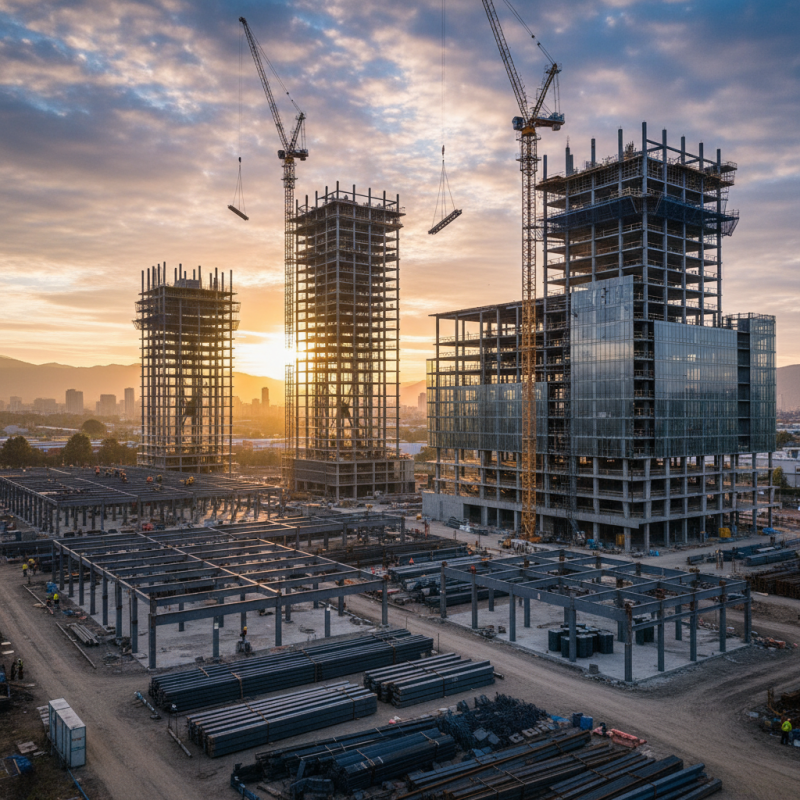
Why is Steel Essential for Construction Projects Globally?

The Role of Steel in Modern Construction Practices

Steel plays a pivotal role in modern construction. It is vital for the stability and strength of structures. According to the World Steel Association, global steel demand reached over 1.8 billion tons in 2021. This reflects the material's significance across various building types, from residential to industrial sites.

One primary advantage of steel is its high strength-to-weight ratio. This allows for taller buildings and longer spans without additional support. Yet, there are challenges in sourcing eco-friendly steel. The construction sector accounts for approximately 39% of global carbon emissions, highlighting the need for sustainable practices. Many architects now seek alternatives or innovations that minimize the environmental impact of steel production.

Additionally, the versatility of steel enables intricate designs and rapid construction timelines. Prefabricated steel components can cut construction time by 20-30%. However, reliance on just-in-time delivery can lead to project delays if supply chains are disrupted. Such dependencies require careful planning and risk assessment. This intricate balance reflects the complexities of integrating steel into contemporary building practices.

Steel Production and Usage in Construction by Region (2023)

Key Properties of Steel That Make It Ideal for Building

Steel is a vital component in construction projects worldwide. Its exceptional strength is unmatched, allowing buildings to withstand heavy loads and adverse weather. This quality makes steel an ideal choice for skyscrapers and bridges. The durability of steel ensures that structures remain safe and sound for years to come. Corrosion-resistant coatings enhance its longevity, making it suitable for various environments.

Another key property is steel's versatility. It can be molded into different shapes, making it adaptable for various architectural designs. This flexibility is essential for modern construction. Moreover, steel is recyclable. This sustainable aspect appeals to eco-conscious builders and architects. It supports a circular economy, reducing waste.

Despite these advantages, there are considerations. The initial cost of steel can be high. Also, its thermal conductivity requires careful planning for insulation.

Lastly, steel's aesthetic appeal cannot be ignored. Many designs incorporate exposed steel for a modern finish. However, balancing function with beauty can be challenging. Examining these properties reveals why steel remains a crucial material. It combines strength, versatility, and sustainability for contemporary construction.

Global Demand for Steel in Infrastructure Development

Global demand for steel in infrastructure development is undeniable. Steel is a vital material in building bridges, highways, and skyscrapers. As cities expand, the need for durable and sustainable materials grows. Steel's strength and longevity make it a preferred choice for many construction projects worldwide.

When planning a construction project, consider the environmental impact. Steel is recyclable and can reduce waste. This aspect is crucial in today's push for sustainable practices. Look for ways to use steel efficiently while minimizing excess. Efficient use not only saves costs but also helps the planet.

Investing in high-quality steel can pay off in the long run. Low-quality steel may save money initially but can lead to structural failures. Always prioritize reliable sources. Understanding the properties of different steel grades can also optimize performance for specific applications. Emphasizing quality means safer buildings and infrastructure.

Environmental Impacts of Steel Production in Construction

Steel plays a vital role in construction projects worldwide. However, steel production has significant environmental impacts. According to the World Steel Association, the steel industry is responsible for approximately 7% of global carbon dioxide emissions. The production process involves the extraction of iron ore, which depletes natural resources and disrupts ecosystems.

The smelting process requires massive amounts of energy, often sourced from fossil fuels. This energy demand contributes to air pollution and climate change. Furthermore, steel recycling, while beneficial, still leaves a carbon footprint. It's estimated that recycled steel saves around 75% of the energy required for new steel production, yet the recycling process itself has impacts.

Tips: Consider choosing recycled steel when possible. It reduces resource depletion. Also, engage with suppliers who prioritize sustainability in their production methods. Each small change can contribute to a more eco-friendly construction industry. Reflecting on these choices can lead to more responsible building practices.

Future Innovations in Steel for Sustainable Building Solutions

Steel plays a pivotal role in the future of sustainable building solutions. The construction industry is evolving. According to a recent report by the World Steel Association, steel accounts for about 50% of the world’s construction material use. This figure highlights its significance. However, the environmental impact of steel production is under scrutiny. Innovations are necessary.

Recycling steel is a promising development. The recycling rate for steel exceeds 80% in many regions. This not only conserves resources but also reduces carbon emissions significantly. Sustainable practices in production are emerging. New techniques, such as electric arc furnaces, are reducing energy consumption. Reports indicate that these methods cut greenhouse gas emissions by 50% compared to traditional methods. Still, challenges persist in scaling these innovations globally.

Furthermore, integrating new technologies often faces hurdles. The construction sector is traditionally conservative. Resistance to change can slow the adoption of sustainable practices. There's a pressing need for education and collaboration among industry stakeholders. Innovation does not happen in a vacuum. Engaging with communities and experts is essential. Real progress requires a collective effort. The pathway to sustainable steel use is complex, but it is a necessary journey for the future of construction.

FAQS

: What makes steel a strong building material?

: Steel’s exceptional strength allows it to withstand heavy loads and adverse weather. It is ideal for skyscrapers and bridges.

Why is the durability of steel important?

The durability ensures that structures remain safe for years. Corrosion-resistant coatings further enhance steel's longevity.

How is steel versatile in construction?

Steel can be molded into various shapes. This adaptability is essential for modern architectural designs.

Is steel environmentally sustainable?

Yes, steel is recyclable. Its sustainable aspect supports a circular economy, reducing waste significantly.

What are the challenges of using steel in construction?

The initial cost of steel can be high. Its thermal conductivity requires careful insulation planning, which can be complex.

How does steel contribute to sustainable building solutions?

Recycling steel conserves resources and reduces carbon emissions. New production techniques are also being developed.

What are the barriers to adopting innovative steel practices?

The construction sector is often conservative. Resistance to change can slow the adoption of sustainable practices.

Why is education important in steel innovations?

Engaging stakeholders is essential for progress. Collaboration ensures effective implementation of new sustainable practices.

What does the future hold for steel in construction?

Innovations are necessary to reduce environmental impact. The journey toward sustainable steel use is complex but vital.

What aesthetic considerations are there for steel in design?

Exposed steel can provide a modern finish. However, balancing functionality and beauty can be challenging.

Conclusion

Steel plays a pivotal role in modern construction practices due to its unique properties such as strength, durability, and malleability. These characteristics make steel an ideal building material for infrastructure projects around the world, allowing for innovative architectural designs and robust structures that can withstand various stresses. The global demand for steel continues to rise, driven by the need for sustainable and resilient infrastructure development.

However, the production of steel also poses environmental challenges, including carbon emissions and resource depletion. Addressing these issues is crucial as the construction industry seeks to balance growth with sustainability. Future innovations in steel technology aim to enhance its environmental performance, making it vital to understand why steel is important in construction. In summary, steel not only supports the structural integrity of buildings but also represents a key area for advancements in sustainable construction.

Isabella

Isabella

Isabella is a dedicated marketing professional with a sharp focus on driving brand growth and engagement through strategic content creation. With an extensive background in digital marketing, she combines her passion for storytelling with her keen understanding of industry trends to deliver......