Steel plays a crucial role in modern building construction. One key expert in the field, Dr. Emily Tran, states, "Steel provides the necessary strength and flexibility for innovative designs." This highlights the importance of understanding how steel is used in modern buildings.
In today's architecture, steel is more than just a material; it’s a vital component. Beams, columns, and frames made from steel create the backbone of skyscrapers and commercial spaces. The lightweight nature of steel allows for larger open spaces, while its strength supports multistory structures. However, reliance on steel also raises questions about sustainability and environmental impact.
These challenges remind us that while steel enhances modern construction, using it responsibly is essential. Balancing innovation with environmental stewardship is a task for architects and builders alike. Understanding how steel is used in modern buildings is key to finding solutions that respect both design and the planet.
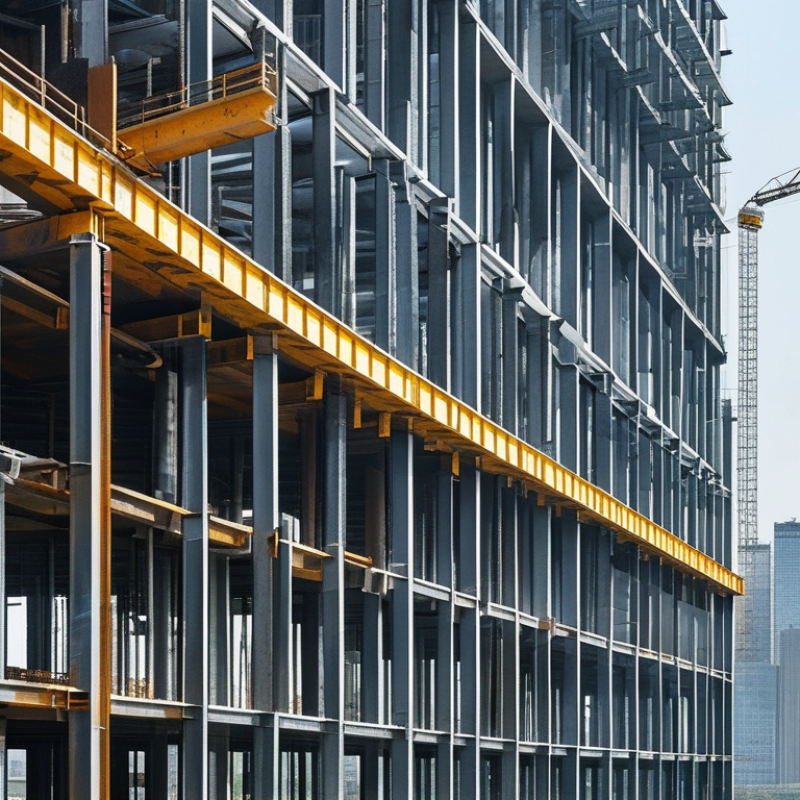
The Historical Development of Steel in Construction
Steel has transformed modern construction with its remarkable properties and versatility. The transition to using steel in buildings began in the 19th century. Initially, cast iron was the predominant material, used in structures like the Crystal Palace in London. However, the introduction of steel beams marked a significant shift. By the late 1800s, pioneers like Gustave Eiffel utilized steel to create iconic structures, showcasing its strength and durability.
A report from the World Steel Association states that steel buildings can last over 100 years with proper maintenance. The global construction market has seen a surge in the use of steel, accounting for around 50% of all materials today. This is due to steel's excellent mechanical properties, which allow for long spans and open spaces. Its ability to withstand extreme weather conditions also makes it preferred in seismic zones.
Tips: When considering steel for construction, assess the local climate's impact on material performance. Also, think about the lifecycle of the steel choices. Not all steel is created equal; some may require more maintenance than others. Reflect on the long-term implications, such as sustainability and recyclability, to make informed decisions.
The Unique Properties of Steel That Enhance Building Design
Steel is a fundamental material in modern building construction. Its unique properties greatly enhance design possibilities. Steel structures are not only strong but also lightweight. This combination allows for taller buildings and wider spans. According to the American Institute of Steel Construction, steel’s strength-to-weight ratio is one of the highest among construction materials.
The ductility of steel offers another significant advantage. This property allows steel to deform without breaking, which is crucial during seismic events. Buildings made with steel are often more resilient in earthquakes. Data from the National Institute of Standards and Technology indicates that buildings designed with steel can withstand forces exceeding those in traditional structures.
Sustainability is an essential aspect as well. Steel is highly recyclable, with up to 90% of it being reused in new construction. This reduces the carbon footprint significantly. Yet, the production process still generates emissions. Critics argue that while steel is strong, its environmental impact needs more attention. Industries must find a balance between strength, sustainability, and minimal environmental harm. Reliable sources, such as the World Steel Association, stress the importance of improving steel production practices to enhance its overall green credentials.
Comparative Advantages of Steel Over Traditional Building Materials
Steel has become a cornerstone in modern building construction due to its unique properties. Compared to traditional materials like wood or brick, steel offers significant advantages. It has a high strength-to-weight ratio, allowing for taller and lighter structures. According to the American Iron and Steel Institute, steel structures can be built up to 30% faster. This speed is crucial in meeting project deadlines.
Moreover, steel's durability plays a vital role in its popularity. It is resistant to fire, pests, and weathering. This means lower maintenance costs over time. Data from the National Institute of Standards and Technology indicate that steel buildings can last significantly longer than those built with traditional materials. This longevity results in better overall value for investment.
However, steel does come with challenges. It requires careful transportation and handling, which can lead to increased costs. Additionally, while steel is recyclable, the energy involved in its production is substantial. This is an aspect that builders must consider when planning sustainable projects. Balancing efficiency with environmental impact remains a critical reflection in the industry.
Advantages of Steel Over Traditional Building Materials
This chart compares the advantages of steel over traditional building materials such as wood and concrete in modern construction. The data reflects the benefits concerning strength, weight, cost-effectiveness, and sustainability.
Sustainability and Recyclability of Steel in Modern Architecture
Steel plays a vital role in modern architecture, particularly for its sustainability and recyclability. The construction industry is evolving, focusing more on materials that minimize environmental impact. Steel is a champion in this regard. It can be reused and recycled without losing quality, reducing waste significantly. This is crucial as we face growing concerns about landfill rates and resource depletion.
In buildings, steel's strength promotes durability. However, the production process does have a carbon footprint. Many companies are now aiming for greener practices. Using scrap steel, for instance, can lower emissions. It’s worth noting that while recycling is effective, it’s not entirely flawless. There are challenges in collection and processing. As steel becomes increasingly recycled, community awareness about these processes is essential.
Steel structures often incorporate innovative designs. Architectural artists push the limits, enhancing aesthetics and functionality. Yet, this may lead to overconsumption. Striking a balance between creativity and sustainability remains a key challenge. Steel’s future hinges not only on its inherent properties but also on our collective commitment to responsible practices.
Why is Steel Essential in Modern Building Construction? - Sustainability and Recyclability of Steel in Modern Architecture
| Aspect |
Details |
| Material Properties |
High strength, ductility, and adaptability make steel ideal for diverse structures. |
| Environmental Impact |
Steel has a lower carbon footprint compared to other materials like concrete when produced using renewable energy. |
| Sustainability |
Steel can be recycled multiple times without loss of quality, contributing to resource efficiency. |
| Lifecycle |
Steel structures have a long lifespan and can be modified and reused, minimizing waste. |
| Energy Efficiency |
Steel’s structural advantages allow for lighter frameworks and reduced material use, enhancing energy efficiency. |
| Economic Benefits |
Lower maintenance costs and durability of steel structures provide significant long-term economic benefits. |
Future Trends: Innovations in Steel Usage for Construction Efficiency
Steel continues to be a cornerstone in building construction. As we look to the future, innovations are transforming how steel is utilized. One promising trend is the development of high-strength steel. This material allows for thinner, lighter structures while maintaining durability. Buildings using this steel can reduce material waste and lower costs.
Another innovation is the integration of smart technology with steel structures. Sensors embedded in steel frameworks can monitor stress and temperature. This data helps in predictive maintenance, ensuring safety and longevity. Additionally, advancements in steel recycling are becoming crucial. Companies are now able to produce new steel from recycled materials, minimizing environmental impact.
While these innovations are exciting, challenges remain. The production processes can be energy-intensive, leading to higher carbon footprints. There’s also the issue of cost, especially for advanced materials. As the industry evolves, balancing innovation with sustainability will be key. Stakeholders must remain vigilant in pursuing efficiency while addressing environmental concerns.
Conclusion
Steel has become a cornerstone of modern building construction due to its unique properties and historical significance. As construction methods evolved, steel emerged as a superior material, offering enhanced strength-to-weight ratios that allow for innovative and daring architectural designs. Its versatility enables the creation of taller structures and complex shapes that traditional materials simply cannot achieve.
Moreover, steel’s sustainability and recyclability add to its appeal in contemporary architecture, aligning with global efforts to reduce environmental impact. Future trends indicate a growing emphasis on the efficiency of steel usage, showcasing how steel is used in modern buildings to not only meet the demands of functionality and aesthetics but also contribute to eco-friendly construction practices. This evolution of steel continues to shape the skyline of urban environments around the world.
 BLS Structural Steel
