BLS Structural Steel BLS Structural Steel

How Does Steel Framing Work in Modern Building Systems?

Time:2026-06-04 Author:Mason
0%

Steel framing has become a cornerstone of modern building systems. It combines strength and versatility, allowing for innovative designs. Understanding how steel framing works in building systems is essential for architects and builders. It provides a reliable framework that supports various materials.

In an era where sustainability and efficiency are crucial, steel framing offers advantages that traditional materials often lack. It is lightweight yet strong, allowing for taller structures with fewer materials. Challenges exist, such as cost fluctuations and the need for skilled labor. These factors can complicate project management.

Moreover, the installation process requires precise planning and execution. Miscalculations can lead to significant delays. Thus, ongoing training and knowledge sharing are vital in the industry. Recognizing the complexities ensures better outcomes and long-lasting structures. Embracing how steel framing works in building systems can lead to improved designs and safer buildings.
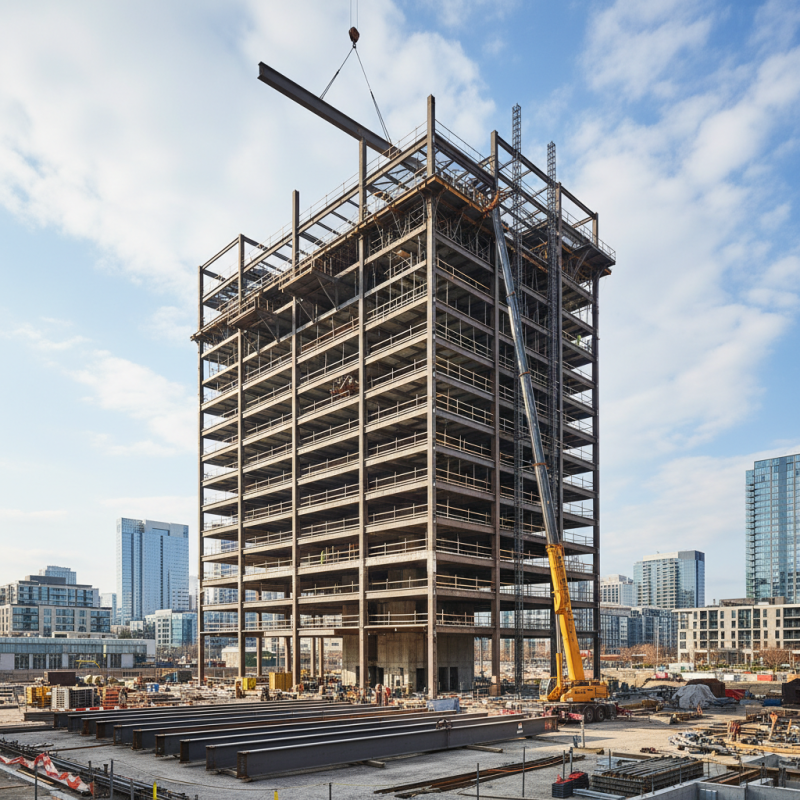
How Does Steel Framing Work in Modern Building Systems?

The Basics of Steel Framing in Construction

Steel framing has become a vital element in modern construction. It offers a robust framework for buildings of various types. This construction approach uses steel columns, beams, and braces to form a durable skeleton. The strength of steel allows for larger open spaces and increased design flexibility. Buildings can rise higher and bear more loads without compromising stability.

Incorporating steel framing involves precise engineering and skilled craftsmanship. Each piece is fabricated off-site and transported for assembly. This can lead to faster construction times and reduces onsite waste. Many projects now blend steel with other materials. This combination can enhance the aesthetic and functional qualities of a structure.

However, reliance on steel framing presents challenges. Corrosion is a critical concern, requiring protective coatings. Additionally, the initial costs can be high compared to traditional wood framing. As the industry evolves, innovations in steel treatment and design methods are essential. Striking a balance between durability and cost-effectiveness remains crucial for future projects.

How Does Steel Framing Work in Modern Building Systems? - The Basics of Steel Framing in Construction

Aspect Description Advantages Common Applications
Material Steel is a strong, durable metal used in construction. High strength-to-weight ratio, durability, and resistance to pests. Commercial buildings, residential structures, and bridges.
Framework Steel frames provide the skeleton for construction. Allows for open spaces and large spans. Skyscrapers, warehouses, and factories.
Sustainability Steel can be recycled, reducing waste. Lower environmental impact compared to traditional materials. Eco-friendly buildings and green architecture.
Construction Speed Prefabricated steel components can speed up building time. Reduces labor costs and project duration. Residential homes and commercial complexes.
Fire Resistance Steel frames can be coated or treated for fire resistance. Increases safety and compliance with building codes. High-rise buildings and industrial facilities.

Advantages of Steel Framing Over Traditional Materials

Steel framing has emerged as a frontrunner in modern building systems due to its numerous advantages over traditional materials. A report from the Steel Construction Institute highlights that steel structures can last longer than wood and other alternatives. They resist rot, pests, and are non-combustible, which greatly enhances safety. For instance, a study reveals that steel-framed buildings can achieve up to 25% higher energy efficiency. This is largely due to improved insulation methods used in steel constructions.

Another notable benefit of steel framing is its structural strength. According to the American Iron and Steel Institute, steel framing can support larger spans without the need for additional supports, allowing for more open spaces. This flexibility is valuable in both residential and commercial construction. However, it does come with challenges. The initial cost can be higher than wood, and the carbon footprint during production needs consideration.

Steel's lightweight nature also enables quicker construction times. Projects can be completed faster, leading to reduced labor costs and increased project turnover. But, the reliance on precise manufacturing and the need for skilled labor can complicate some projects. Balancing these factors is crucial for builders and developers.

Key Components of Steel Framing Systems

Steel framing systems have become essential in modern construction. Their key components play a significant role in providing structural integrity and flexibility. Steel studs and channels, often treated for corrosion resistance, form the backbone of these systems. These steel members can be easily fabricated in various sizes, allowing designers to create intricate layouts.

Another critical component is steel braces. They counteract lateral forces, enhancing stability. Properly installed braces prevent structural deformation during high winds or seismic events. However, issues can arise if these braces are misaligned or improperly anchored. It’s crucial to ensure every connection is secure and well-planned.

Additionally, steel framing incorporates insulation and drywall systems. These elements contribute to energy efficiency and acoustic control. Selecting the right insulation material is vital. If not done correctly, it can lead to temperature fluctuations and increased energy costs. Overall, understanding these components helps builders optimize the performance and longevity of steel-framed structures.

Key Components of Steel Framing Systems

Understanding the Steel Framing Construction Process

Steel framing is a crucial element in modern construction. It is a system that provides strength and durability. The process begins with the design phase, where engineers draft plans. They assess load requirements and environmental factors. This ensures that the structure can handle various stresses.

Once the design is approved, the next phase is prefabrication. Steel components are cut and shaped outside the construction site. This method speeds up the building process. It also reduces waste and minimizes disruptions. Workers can assemble frames quickly using bolts and connectors.

The construction site must accommodate heavy machinery for lifting and positioning steel beams. Precision is key during this phase. Each piece must fit perfectly. Often, this requires adjustments on-site to align everything correctly. Challenges arise with schedules and logistics. However, when done right, steel framing leads to resilient buildings. This method has transformed urban landscapes, making construction more efficient.

Applications of Steel Framing in Modern Architecture

Steel framing has become a cornerstone of modern architecture, transforming the way we build. Its applications are vast and diverse. In high-rise buildings, steel frames provide exceptional strength and stability. They resist tension and compression well, which is crucial in urban environments. This makes steel framing ideal for skyscrapers and large commercial spaces.

In residential construction, steel framing sees increasing use. It allows for open floor plans that are highly sought after. Homeowners appreciate the flexibility it provides in design. However, not all builders consider the additional insulation needed for steel structures. This oversight can lead to energy inefficiencies.

Moreover, steel framing is gaining traction in sustainable building practices. Recycled steel is often used, reducing environmental impact. However, the initial cost can be daunting for some projects. Designers must weigh the long-term benefits against upfront expenses. The conversation around steel framing continues to evolve as the industry adapts to new challenges and opportunities.

FAQS

: What are the main benefits of steel framing in construction?

: Steel framing provides durability, allows for larger open spaces, and enhances design flexibility. It resists rot and pests.

How does steel framing affect construction time?

Steel's lightweight nature allows for quicker construction. Prefabrication reduces onsite work and speeds up assembly.

What are the initial costs associated with steel framing?

The initial costs are often higher than traditional materials like wood. Budget considerations are essential in planning.

What challenges arise from using steel in construction?

Corrosion risks require protective coatings. Precision manufacturing is needed for successful assembly, complicating some projects.

Can steel-framed buildings be energy efficient?

Yes, they can achieve up to 25% higher energy efficiency due to improved insulation methods being implemented.

What skills are necessary for steel framing projects?

Skilled craftsmanship and precise engineering are crucial to ensure correct assembly and handling of steel components.

How does steel framing compare to traditional materials in terms of safety?

Steel is non-combustible and resists pests, significantly enhancing overall safety compared to materials like wood.

What environmental considerations should be made with steel framing?

The carbon footprint during production is significant and needs to be considered when assessing overall sustainability.

How does prefabrication contribute to the steel framing process?

Prefabrication speeds up construction and reduces waste, which minimizes disruptions on the construction site.

What adjustments might be needed during the construction phase?

On-site adjustments are often necessary to ensure all steel components align perfectly, adding to the complexity.

Conclusion

Steel framing has become a cornerstone of modern building systems, offering a robust and efficient alternative to traditional construction materials. Understanding how steel framing works in building systems involves recognizing its key components, including steel columns, beams, and bracing, which together create a strong structural framework. The advantages of steel framing are numerous, including enhanced durability, flexibility in design, and the ability to construct taller structures with fewer materials.

The construction process of steel framing is characterized by precision and speed, with pre-fabricated components allowing for rapid assembly on-site. This efficiency not only reduces construction time but also minimizes waste, making steel framing an environmentally friendly choice. Modern architecture increasingly utilizes steel framing for a variety of applications, from commercial buildings to residential homes, showcasing its versatility and alignment with contemporary design principles.

Mason

Mason

Mason is a seasoned marketing professional with a deep expertise in the company's offerings and a passion for driving brand awareness. With a strong background in digital marketing strategies, he has an innate ability to connect with diverse audiences and effectively communicate product benefits.......