In the realm of construction, understanding "what steel grades are used in construction" is crucial. Dr. Emily Carter, a renowned materials engineer, highlights, “Choosing the right steel grade can make or break a project’s integrity.” Steel grades vary in composition and properties. Each grade serves specific purposes in building structures.
Commonly used grades, such as S235 and S355, offer different strength levels. S235 is a basic grade suitable for general construction. In contrast, S355 boasts higher strength, ideal for heavy load applications. It's important to choose wisely. Each project’s demands can shift based on materials used.
However, not all steel grades are equal in performance or cost. Misunderstanding these differences can lead to project issues or structural failures. A careful selection based on the project needs is essential. Observing how these steel grades perform under stress can highlight their importance. This complex landscape requires both expertise and awareness, inviting further exploration into this vital subject.
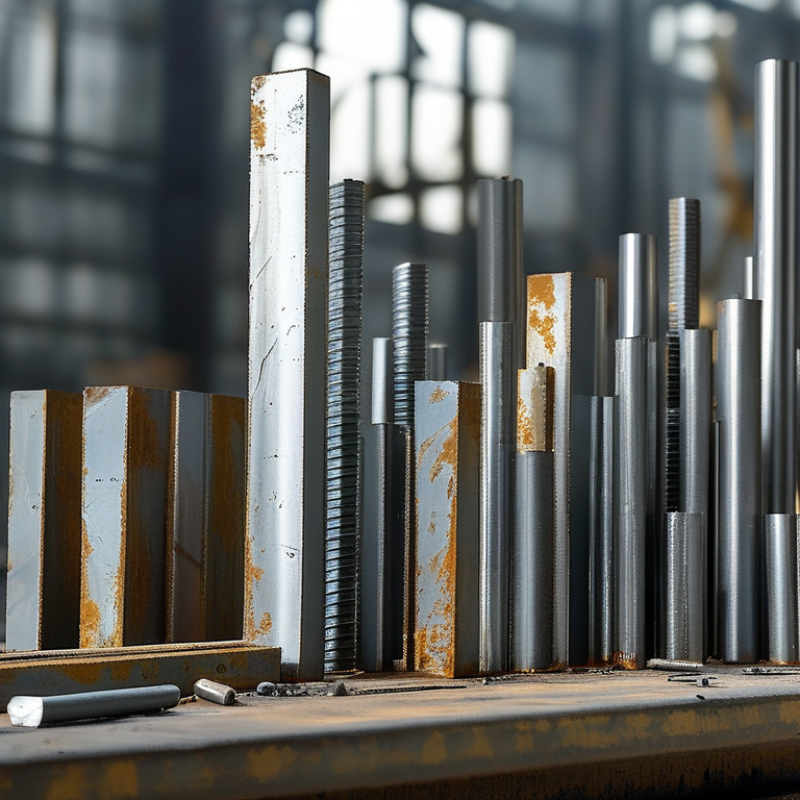
Overview of Steel Grades in Construction Industry
Steel plays a crucial role in the construction industry. It provides strength, durability, and resilience to structures. Engineers and architects choose different steel grades based on specific project requirements. Reports indicate that the global construction steel market is expected to reach over $1,000 billion by 2028, signaling both growth and competition in material selection.
Among the most common steel grades used in construction are structural steel grades like S235, S275, and S355. These grades are known for their high strength-to-weight ratio. S235 is flexible, suitable for various structures. In comparison, S355 offers enhanced strength, ideal for heavy workloads. Reports show that using higher-grade steel can improve safety and longevity in buildings, though it may increase initial costs.
Finding the right grade can be challenging. Factors like environmental conditions and load requirements significantly influence your choice. Always consider the long-term effects of steel's performance in your project. Prioritize quality over cost to avoid future issues. Rely on reputable suppliers for precise specifications and certifications. Stay informed about evolving standards in the construction industry to ensure compliance and safety.
Characteristics of Essential Steel Grades
When discussing essential steel grades for construction, it's crucial to understand their unique characteristics. Steel grades vary significantly, impacting durability and suitability for different construction projects. For heavy-duty applications, structural steel grades like S235, S275, and S355 are widely used. Their strength, reliability, and weldability make them preferred choices for bridges and high-rise buildings.
Another important category is stainless steel. Its corrosion-resistant properties allow for use in harsh environments. In regions with high humidity or chemical exposure, stainless steel ensures longevity. However, its higher cost can be a concern. Carbon steel also plays a vital role. It's versatile and readily available, making it ideal for a variety of applications from rebar in concrete to piping.
While these steel grades have established norms, there's always room for improvement. Emerging technologies in steel production are likely to redefine some characteristics. Innovations may enhance sustainability and performance, allowing for more efficient use of resources. Construction professionals must evaluate new developments regularly to make informed decisions. This ongoing process highlights the importance of staying updated in an evolving industry.
Top 5 Steel Grades Used in Construction for Global Buyers
| Steel Grade |
Characteristics |
Common Uses |
| S235 |
Mild steel with low carbon content, good weldability, and machinability. |
Structural steel in buildings, bridges, and other constructions. |
| S275 |
Medium-strength structural steel, versatile and easy to work with. |
Construction beams and frames, mechanical engineering applications. |
| S355 |
High-strength structural steel with good toughness and ductility. |
Widely used in construction and civil engineering, heavy-duty applications. |
| Reinforcing Steel (Rebar) |
High tensile strength, designed to be embedded in concrete. |
Reinforcement in concrete structures, roads, bridges. |
| Stainless Steel (304) |
Corrosion-resistant, good formability and welding properties. |
Architectural applications, food processing, and chemical industries. |
Top 5 Steel Grades for Construction: Features and Benefits
When it comes to construction, selecting the right steel grade is crucial. Five steel grades dominate the global market due to their unique features and benefits. First, structural steel S235 is known for its excellent weldability and ductility. It is widely used in buildings and bridges. According to industry reports, S235 offers a yield strength of 235 MPa, making it a reliable choice for many construction applications.
Another popular option is S355. This grade is superior in strength compared to S235, with a yield strength of 355 MPa. Its higher strength enables thinner components, reducing material costs. The versatility of S355 makes it suitable for a range of structures, from residential to industrial. Its toughness at low temperatures further enhances its versatility.
Reinforcement steel, or rebar, is also critical in construction. Grades like B500B are often used for concrete reinforcement. They provide improved tensile strength, making them essential for structural integrity. Data indicates that using high-quality rebar can enhance the lifespan of concrete structures.
Tips for choosing the right steel grade: evaluate the specific requirements of your project. Consider environmental factors, such as climate and load conditions. Consult industry standards or experienced engineers for tailored recommendations. Each project is unique, and careful selection can lead to significant benefits in terms of safety and cost-effectiveness.
Global Buyers' Considerations When Choosing Steel Grades
When global buyers select steel grades for construction, they must consider various factors. Understanding the environment where the steel will be used is crucial. For instance, structures in coastal areas need corrosion-resistant steel due to high humidity and salt exposure. In contrast, buildings located in seismic zones require steel with specific tensile strength characteristics. Buyers should also think about the load-bearing capacity needed for their projects.
Cost is another significant aspect. High-strength steel may be more expensive but offers durability and longevity. This can lead to savings over time. Buyers may hesitate to choose lower grades thinking they will save money upfront. However, using inferior materials can increase maintenance costs and reduce structural integrity. Transparency is essential in supplier relationships. Integrity in sourcing and production processes should influence buyer choices. This ensures that the steel meets necessary safety and quality standards. Understanding these elements can help buyers make informed decisions for their construction needs.
Trends and Innovations in Steel Grade Usage for Construction
The landscape of steel usage in construction is rapidly evolving. Innovative steel grades are emerging to meet the demands for sustainability and enhanced performance. According to a recent report by Global Construction Perspectives, the global demand for construction steel is expected to grow by 4.5% annually through 2025. This trend reflects a shift towards high-strength, low-alloy (HSLA) steels, which combine strength with reduced weight.
Advanced manufacturing techniques are playing a significant role in this transformation. For instance, the use of micro-alloying elements has increased the tensile strength of steels while maintaining ductility. These HSLA steels are often employed in high-rise buildings and bridges. Meanwhile, the development of corrosion-resistant steels has gained momentum, driven by a growing emphasis on longevity and reduced maintenance costs. A study by the World Steel Association indicated that corrosion can account for up to 4% of the GDP in developed countries, highlighting the need for resilient materials.
Yet, challenges remain. The production of these advanced steels requires significant investment in research and technology. There are concerns about the environmental impact of steel production, as carbon emissions continue to be a pressing issue. Industry analysts suggest that achieving net-zero emissions by 2050 is crucial. Companies need to balance performance enhancements with sustainable practices, which is not always straightforward. The future of construction steel will likely hinge on these innovations and the industry's ability to adapt.
Top 5 Steel Grades Used in Construction
This chart represents the most commonly used steel grades in the construction industry globally. The data shows the percentage usage of each steel grade in various construction projects, highlighting the trends and innovations within the sector.
FAQS
: Common steel grades include S235, S275, and S355. They are known for strength and durability.
The steel grade affects durability and suitability. Higher grades improve safety and longevity, though they cost more.
S235 offers excellent weldability and ductility, making it reliable for various structures.
S355 has higher strength with a yield strength of 355 MPa, enabling thinner components and reducing costs.
Stainless steel resists corrosion, making it ideal for humid or chemically challenging environments, despite its higher cost.
Evaluate specific project requirements, including climate and load conditions, to choose the right grade wisely.
Innovations may redefine steel characteristics, enhancing sustainability and performance in construction.
Rebar, like B500B, improves tensile strength, essential for maintaining structural integrity of concrete.
Prioritize quality over cost to avoid future issues that may arise from poor material choice.
Evolving standards ensure compliance and safety in construction, influencing material selection in projects.
Conclusion
The construction industry relies heavily on various steel grades to ensure structural integrity and durability. Understanding what steel grades are used in construction is crucial for global buyers looking to select the most suitable materials for their projects. Essential steel grades such as Mild Steel, High Strength Low Alloy Steel, Stainless Steel, Structural Steel, and Tool Steel each showcase unique characteristics that cater to different construction needs. These grades are evaluated based on their strength, ductility, corrosion resistance, and overall performance.
As global buyers navigate the selection process, considerations such as availability, cost, and compliance with construction standards become significant. Additionally, emerging trends and innovations in steel grade applications are shaping the future of construction, emphasizing sustainable practices and enhanced material performance. By staying informed about these aspects, buyers can make well-informed decisions that positively impact their construction endeavors.
 BLS Structural Steel
