BLS Structural Steel
Steel is a fundamental material in the construction industry. Understanding what is steel used for in construction highlights its versatility and importance. This durable metal provides strength and stability to various structures. Buildings, bridges, and infrastructures often rely on steel for support. It resists heavy loads and extreme weather conditions, making it an ideal choice for construction projects.
Moreover, steel applications are diverse. It can be found in residential homes, commercial buildings, and skyscrapers. The ability to mold steel into different shapes gives architects creative freedom. However, challenges exist. Corrosion and cost fluctuations can impact its effectiveness. Exploring these aspects is crucial for construction managers and engineers.
In essence, steel plays a vital role in modern construction. It combines reliability with innovative design. As we delve deeper into its applications, we will uncover why steel remains a preferred material in the industry. Understanding its benefits will aid in making informed construction decisions.
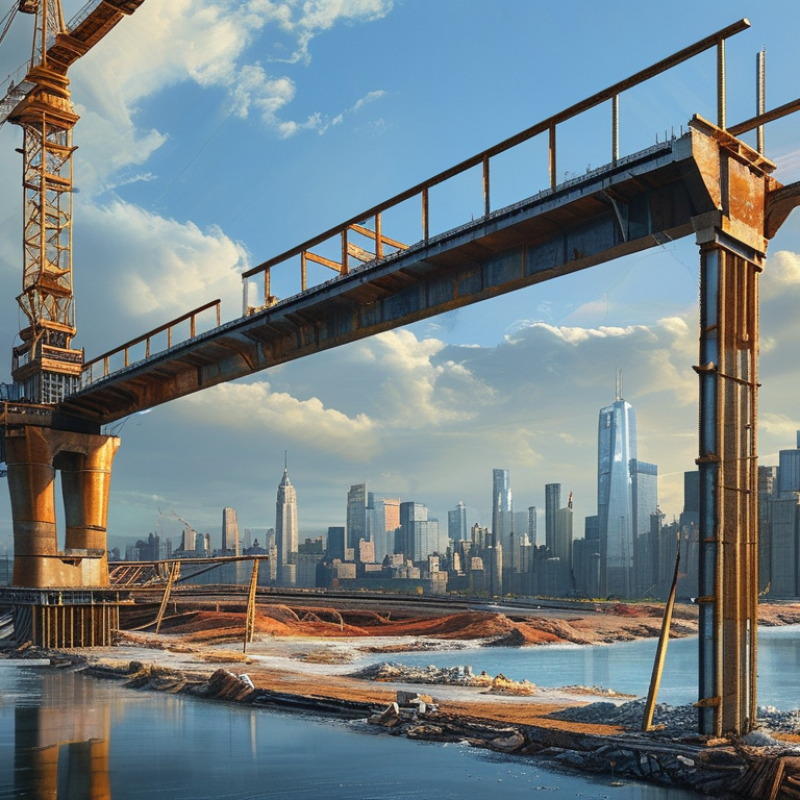
Steel is a versatile construction material widely used in various applications. Its strength-to-weight ratio makes it ideal for building structures that require durability and stability. High-rise buildings often use steel frames to support heavy loads. In bridges, steel's flexibility helps absorb forces, reducing the risk of structural failure. These properties ensure safety and longevity in construction.
Another key aspect of steel in construction is its sustainability. Steel can be recycled many times without losing quality. This attribute meets modern environmental standards. However, the production process can be energy-intensive. It's essential to find a balance between using steel and its environmental impact. Exploring alternative materials is a growing trend, but steel's performance remains unmatched in many scenarios.
Challenges also arise with steel. Corrosion can weaken structures over time, necessitating proper maintenance and protective coatings. Understanding these factors is crucial. Architects and engineers must consider both the benefits and drawbacks of steel. This knowledge can lead to better design choices and improved project outcomes.
Steel is a critical material in construction due to its unique properties. Its high strength allows for the design of tall structures. The World Steel Association reports that steel can withstand heavy loads. Its tensile strength is significantly higher than concrete, making it ideal for frameworks.
Durability is another key property of steel. It can resist weathering and corrosion, especially when treated. A study from the American Institute of Steel Construction highlights that steel structures can last over 50 years with proper maintenance. However, issues exist regarding its susceptibility to temperature fluctuations. High heat can weaken steel, leading to structural integrity concerns.
Steel is also highly recyclable, enhancing sustainability. According to the Steel Recycling Institute, over 60% of steel is recycled in new constructions. This reduces waste and conserves natural resources. Yet, the energy required for steel production raises questions about its environmental footprint. Balancing its benefits with environmental impacts remains a challenge.
Steel is a vital material in the construction industry due to its strength and durability. In building structures, it is often used for frames, beams, and columns. According to the American Institute of Steel Construction, steel construction can reduce construction time by up to 30%. This efficiency is beneficial for project management and cost control.
One common application of steel is in high-rise buildings. Due to its strength-to-weight ratio, steel allows for taller structures without excessive foundation costs. This feature is critical in urban areas where space is limited. The World Steel Association notes that steel's recyclability also contributes to sustainable building practices. Approximately 90% of structural steel can be recycled, underscoring its role in eco-friendly construction.
Another application is in bridges. Steel provides the flexibility needed to withstand vibrations and heavy loads. However, the corrosion of steel is a challenge. Proper maintenance is required to ensure longevity. Reports indicate that corrosion can reduce the lifespan of a steel bridge by up to 50%. Thus, while steel is a preferred material, its vulnerabilities must be addressed for optimal performance in construction.
Steel is a preferred material in construction for many reasons. Its high strength-to-weight ratio ensures structures can remain both sturdy and lightweight. This unique characteristic makes it ideal for high-rise buildings and bridges. Steel can withstand extreme weather conditions, which enhances durability. Buildings using steel often have longer lifespans when compared to those made from other materials.
Moreover, steel is highly versatile. It can be molded and shaped to fit various architectural styles. This adaptability allows for innovative designs in modern architecture. Additionally, steel structures can be erected quickly. This speed can significantly reduce project timelines, ultimately saving costs.
However, the use of steel is not without challenges. Corrosion can occur if it's not properly treated. This can lead to maintenance issues down the line. Also, the environmental impact of steel production raises concerns. Recycled steel is a viable option, yet not all projects incorporate this. There’s a balance to find between benefits and potential drawbacks. Each project should carefully consider these factors to make informed choices.
| Application | Benefits | Usage Examples |
|---|---|---|
| Structural Framework | High strength-to-weight ratio allows for taller and lighter structures. | Skyscrapers, Bridges |
| Reinforcement | Enhances durability and tensile strength of concrete. | Foundations, Slabs |
| Roofing | Fire-resistant and long-lasting material choice. | Industrial buildings, Warehouses |
| Facades | Aesthetic flexibility combined with durability. | Office buildings, Retail centers |
| Stairs and Ladders | Robust, safe, and lightweight access solutions. | Commercial buildings, Factories |
Steel construction is becoming increasingly sustainable. The World Steel Association reports that using steel in buildings can reduce carbon emissions by about 40%. This is due to its recyclability and lower energy consumption during production. Steel is now made with more efficient processes.
About 75% of steel is recycled today. This reduces the need for raw materials and lowers environmental impact.
Emerging trends also focus on innovative steel applications. For instance, modular construction is gaining traction. It allows for quicker assembly and reduced waste. In some cases, projects have seen a 30% decrease in construction time. However, challenges remain. Not all regions are ready to adopt these trends due to cost issues or lack of skilled labor. These barriers can slow progress.
Investing in research can enhance steel’s role in greener construction. The development of advanced steels could lead to enhanced performance and durability. This might ultimately lead to longer-lasting structures. Yet, the industry must continuously reflect on its practices. Balancing affordability and sustainability remains a complex issue.
: Steel is strong yet lightweight, ideal for high-rise buildings and bridges. Its durability is unmatched in extreme weather.
Steel frames support heavy loads, ensuring stability and safety for tall structures. This strength is critical for urban environments.
Yes, steel is recyclable. However, its production can be energy-intensive. Balancing usage and impact is important.
Corrosion can weaken steel structures over time. Proper maintenance and protective coatings are necessary to avoid issues.
Absolutely. Steel can be molded into various shapes, allowing innovative and unique designs in modern architecture.
Recycled steel is eco-friendly. Yet, not all projects utilize it. Each project should assess the benefits of using recycled materials.
The potential for corrosion. Without treatment, this can lead to higher maintenance costs and safety risks in the long term.
Steel structures can be erected quickly, reducing project durations and saving costs. Speed is a significant advantage for contractors.
Yes, but few match steel's performance. Exploring alternative materials is important, yet project requirements must guide choices.
Knowledge of steel's benefits and challenges leads to better designs. This understanding can significantly affect project outcomes and safety.
Steel is a crucial material in construction, recognized for its versatility and strength. When exploring what is steel used for in construction, its properties such as high tensile strength, durability, and resistance to corrosion make it an ideal choice for various building applications. Common uses include structural frames, reinforcement in concrete, and even roofing systems, showcasing its integral role in modern architecture.
The advantages of using steel extend beyond sheer strength; it offers design flexibility, reduces construction time, and promotes energy efficiency. Additionally, advancements in sustainable steel production practices signal a promising future for steel in construction, aligning with global trends towards eco-friendly building methods. As demand for resilient and sustainable building materials rises, steel continues to be a pivotal element in shaping the infrastructures of tomorrow.
