BLS Structural Steel BLS Structural Steel

How Are Steel Materials Processed in Factories for 2026?

Time:2026-06-16 Author:Amelia
0%

As we approach 2026, understanding how steel materials are processed in factories becomes crucial for industry stakeholders. Current reports show that the steel manufacturing sector is expected to grow by over 4% annually, driven by demand from construction and automotive industries. Experts underline the importance of innovation in processing techniques. John Smith, a recognized authority in metallurgical engineering, emphasizes, “Efficiency and precision are the cornerstones of modern steel production.”

The processing of steel involves several stages. Raw materials undergo smelting and refining to achieve desirable properties. Factories are increasingly adopting automation, resulting in higher output and lower costs. However, challenges persist. Many factories still grapple with outdated machinery and practices, hindering potential gains. Addressing these issues will be pivotal in enhancing overall efficiency and environmental sustainability.

In conclusion, the processing of steel materials is evolving. Future advancements will rely heavily on technology and skilled labor. The pathway to success involves both embracing innovation and reflecting on current practices. Therefore, understanding how steel materials are processed in factories is not just an academic exercise, but a necessity for growth.
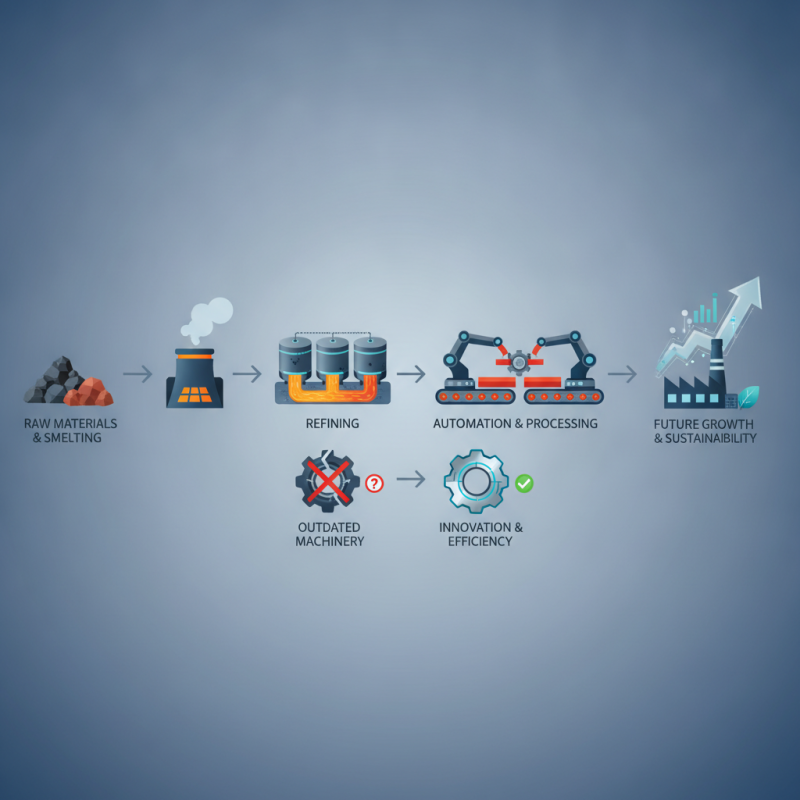
How Are Steel Materials Processed in Factories for 2026?

Overview of Steel Materials Processing in Modern Factories

Steel materials play a vital role in modern factories. The processing of these materials involves several key steps: melting, casting, and shaping. Factories typically use electric arc furnaces to melt scrap steel or iron. This method is efficient and allows for a high level of control over the materials.

After melting, the liquid steel is cast into various shapes. This can include slabs, billets, or blooms, depending on the desired final product. Each shape undergoes distinct processes to ensure proper characteristics. During this stage, quality control is crucial. Any imperfections can lead to significant issues later in the production line.

Shaping the steel often involves rolling or forging. This requires skilled operators who understand the nuances of the materials. The machinery can be complex, and errors may occur if not managed carefully. Despite advancements, human oversight remains essential. Factories consistently seek to improve their processes while acknowledging areas for development. The blending of technology and human experience is critical in achieving high-quality steel production.

Key Technologies Utilized in Steel Processing for Improved Efficiency

In 2026, steel processing will see significant advancements driven by technology. Modern factories will optimize production with automated systems. Robotics will play a key role in enhancing precision during steel cutting and shaping processes. These machines will ensure consistent quality while reducing human error. Increased automation also minimizes waste, which can lead to cost savings.

Advanced materials like high-strength steel will be utilized more frequently. Factories will adopt smart manufacturing techniques, integrating IoT devices for real-time monitoring. This allows for quick adjustments and reduces downtime. However, the reliance on technology may lead to vulnerabilities. Cybersecurity must be prioritized to protect sensitive operational data.

Sustainability will remain a critical focus. Steel processing plants will implement eco-friendly practices, reducing their carbon footprint. The use of electric arc furnaces (EAFs) is becoming more common. However, there are challenges in sourcing recycled materials consistently. Balancing efficiency with environmental responsibilities will require constant reflection and improvement. The future of steel processing is a blend of innovation and ethical considerations.

Step-by-Step Processes in Steel Manufacturing: From Melting to Finishing

Steel manufacturing is a complex process that involves several key steps. The journey begins with the melting of raw materials, primarily iron ore and scrap steel. This occurs in a blast furnace, where high temperatures are generated. The melting process transforms solid materials into molten steel, but precision is crucial here. Any impurities left in the mixture can affect the final product’s quality.

After melting, the next step is refining. This involves removing impurities and adjusting the chemical composition. The process can be challenging, as even small deviations can compromise the steel's strength and durability. Once refined, the molten steel is cast into shapes. Continuous casting is common, where liquid steel is poured into molds and allowed to solidify. This method offers efficiency but requires close monitoring to prevent defects.

Finally, steel undergoes finishing processes. These can include rolling, forging, and heat treatment. Each method enhances the steel's properties, making it suitable for various applications. However, maintaining quality throughout these processes is an area that continuously needs improvement. Manufacturers must remain vigilant about potential flaws that can arise during finishing, as these can lead to significant issues down the line.

How Are Steel Materials Processed in Factories for 2026?

Process Step Description Key Technologies Output
1. Melting Steel scrap and iron ore are melted in a furnace. Electric Arc Furnace, Basic Oxygen Furnace Liquid steel
2. Refining Impurities are removed from the molten steel. LD Process, Degassing High-purity steel
3. Casting Molten steel is poured into molds to form shapes. Continuous Casting, Ingot Casting Steel billets, slabs
4. Rolling Steel is rolled to the desired thickness and shape. Hot Rolling, Cold Rolling Steel sheets, plates, profiles
5. Heat Treatment Steel is heated and cooled to alter its properties. Annealing, Quenching Enhanced strength, hardness
6. Finishing Surface treatments are applied for protection and aesthetics. Coating, Galvanizing Finished steel products

Sustainability Practices in Steel Material Processing by 2026

As the steel industry evolves, sustainability practices are increasingly essential in material processing. By 2026, factories are expected to adopt advanced recycling methods. Currently, about 70% of steel is recycled, reducing the need for raw materials. This shift not only conserves natural resources but also lowers carbon emissions significantly. According to a recent report by the World Steel Association, using recycled steel can save up to 75% of energy compared to producing new steel.

Additionally, many steel manufacturers are exploring renewable energy sources. Some factories are investing in solar panels and wind energy to power operations. In a study conducted by the Global Steel Innovations Forum, transitioning to renewable energy could potentially cut emissions by over 20% by 2026. However, challenges remain. The high initial costs of implementing these technologies can deter smaller manufacturers.

Efforts to improve energy efficiency also continue. The Art of Steel Energy Efficiency report highlights that many companies still rely on outdated machinery. Upgrading equipment can be costly, yet it is necessary for long-term sustainability. Addressing these issues requires commitment and investment. The path toward a greener steel industry is complex, but it is essential for sustainability.

Steel Material Processing for Sustainability in 2026

This chart illustrates the projected distribution of various sustainability practices in steel material processing by 2026. The data is based on anticipated industry trends and innovations aimed at reducing environmental impact.

Future Trends in Steel Processing Technologies and Innovations

The steel processing landscape is evolving rapidly. By 2026, factories are likely to adopt advanced technologies to enhance efficiency. Automation stands at the forefront, with AI-driven systems optimizing workflows. Robotics will handle repetitive tasks, allowing human workers to focus on complex issues. This shift promises improved safety and productivity.

Sustainability will be another key trend. Steel production is energy-intensive and often carbon-heavy. Innovations in recycling methods can reduce waste. New materials that require less energy to produce could emerge. Despite progress, challenges remain. Balancing technological advancements with environmental responsibility continues to be a struggle.

Moreover, the integration of digital tools will transform traditional practices. Data analytics will enable real-time monitoring of production processes. However, reliance on technology may lead to vulnerabilities. Cybersecurity measures must evolve alongside innovations. Factories face a delicate balance between embracing the future and addressing inherent risks.

FAQS

: What advancements can we expect in steel processing by 2026?

: Technology will drive improvements, with increased automation and robotics in production.

How will automation affect the quality of steel products?

Automation enhances precision, reducing human error and ensuring consistent quality during production.

What role will sustainability play in steel processing?

Sustainability will be critical, with plants adopting eco-friendly practices to lower their carbon footprint.

What challenges arise from using recycled materials in steel production?

Consistent sourcing of recycled materials can be problematic, hindering efficient operations.

How does the melting process affect the final quality of steel?

Impurities in molten steel can significantly impact strength and durability, making precision crucial.

What methods are used in the finishing processes of steel?

Finishing includes rolling, forging, and heat treatment, which enhance the steel's properties.

How important is energy efficiency in the steel industry?

Improving energy efficiency is essential; outdated machinery can hinder long-term sustainability efforts.

What renewable energy sources are being explored by steel manufacturers?

Solar and wind energy investments are being made to power manufacturing operations.

Why is cybersecurity important for modern steel processing factories?

Increased reliance on technology raises vulnerabilities, making data protection critical.

What is the main barrier for smaller manufacturers in adopting sustainable practices?

High initial costs of new technologies can deter smaller manufacturers from implementing eco-friendly methods.

Conclusion

The article "How Are Steel Materials Processed in Factories for 2026?" explores the intricate processes involved in modern steel manufacturing. It begins by providing an overview of how steel materials are processed in factories, highlighting the cutting-edge technologies that enhance efficiency and productivity. These technologies streamline the entire manufacturing process, from melting raw materials to the final finishing stages, ensuring high-quality output.

Moreover, the article delves into sustainability practices being integrated into steel material processing by 2026, demonstrating an increasing commitment to eco-friendly methods. Lastly, it discusses future trends and innovations in steel processing technologies, emphasizing how advancements will continue to shape the industry. Overall, the article provides a comprehensive look at the evolving landscape of steel manufacturing and its pivotal role in sustainable development.

Amelia

Amelia

Amelia is a seasoned marketing professional with a wealth of expertise in our company’s core offerings. With an unwavering passion for driving growth and innovation, she plays a pivotal role in shaping our marketing strategies and enhancing brand visibility. A key aspect of her responsibilities......