BLS Structural Steel
Steel plays a critical role in modern architecture, shaping our urban landscapes in innovative ways. According to Dr. Emily Thompson, a leading expert in structural engineering, “How steel is used in modern buildings redefines both aesthetics and durability.” This statement highlights the dual nature of steel’s impact on design and functionality.
In contemporary buildings, steel provides strength and flexibility. These qualities allow architects to design taller structures and intricate shapes. For instance, the use of steel in skyscrapers enables the soaring heights of structures like the Burj Khalifa. Yet, the challenge remains: how to balance innovation with environmental sustainability.
As the industry evolves, questions arise about the sourcing and lifecycle of steel. How can we ensure that this essential material is produced responsibly? Exploring "how steel is used in modern buildings" invites us to consider both the benefits and the responsibilities of using such a powerful resource.
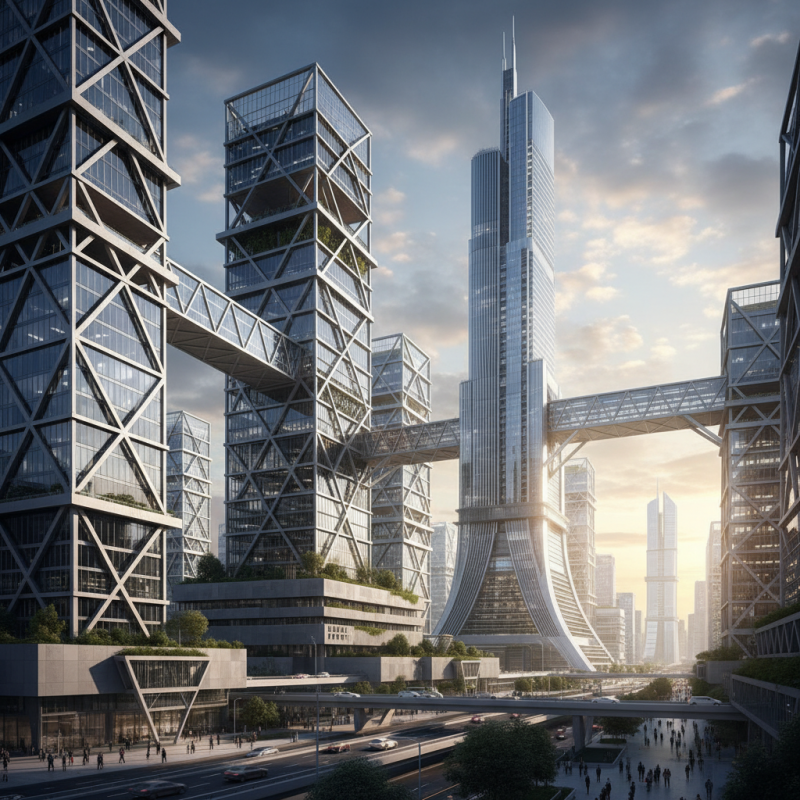
Steel plays a transformative role in modern architecture. Its strength allows for taller structures with larger open spaces. This adaptability fuels innovative designs, giving architects the freedom to experiment. However, the use of steel isn’t without challenges. Builders must consider sustainability and energy consumption, which can sometimes be overlooked in the design phase.
Architects increasingly integrate steel in ways that enhance aesthetic appeal. From sleek skyscrapers to intricate facades, steel serves both function and form. Yet, its production has environmental impacts that prompt reflection. The construction industry faces pressure to adopt greener methods. Are we prioritizing beauty over sustainability?
The journey to balance innovation and responsibility in steel design showcases the evolving mindset in architecture. As we build for the future, questions of durability and ethics arise. Designers must remain vigilant in addressing these complexities.
Steel has transformed modern construction, offering numerous benefits that enhance the efficiency and longevity of buildings. According to a report by the World Steel Association, 60% of all construction projects now utilize steel as a primary material. Its strength-to-weight ratio makes it ideal for high-rise buildings and complex structures. Steel's durability ensures that buildings can withstand harsh weather conditions, reducing maintenance costs significantly.
Moreover, the sustainability of steel is a crucial factor in its growing popularity. The recycling capacity of steel is impressive, with over 85% of steel products being recycled at the end of their lifecycle. This contributes to a circular economy in construction. However, the carbon footprint associated with steel production remains a challenge. The industry is actively seeking methods to reduce emissions, as noted in the latest studies published by the Global Steel Innovation Forum.
Despite these advantages, there are potential drawbacks to consider. The initial costs for steel construction can be higher than traditional materials. Projects may also face lengthy approval processes related to environmental impact assessments. As architects strive for innovative designs, the reliance on steel requires careful planning and collaboration between engineers and contractors.
| Benefit | Description | Impact on Construction | Sustainability Rating |
|---|---|---|---|
| Strength | Steel provides a high strength-to-weight ratio, allowing for taller structures. | Facilitates tall buildings and innovative designs. | High |
| Durability | Steel withstands environmental elements, ensuring longevity. | Reduces the need for frequent repairs. | Moderate |
| Fire Resistance | Steel can be treated to resist fire, enhancing safety. | Improves building safety ratings. | High |
| Versatility | Steel can be molded into various shapes and sizes. | Supports creative architectural designs. | High |
| Cost-Effectiveness | Steel installation can be quicker than traditional materials, reducing labor costs. | Shortens project timelines. | Moderate |
| Recyclability | Steel is 100% recyclable, promoting sustainable practices. | Reduces waste in construction projects. | Very High |
The rising demand for steel in architecture is shaped by global market trends. According to the World Steel Association, the construction industry accounts for over 50% of global steel consumption. Major urbanization trends, especially in developing countries, are propelling this need. As cities expand, the need for durable, sustainable materials becomes urgent.
Architects now prioritize eco-friendly design. Steel offers strength while minimizing environmental impact. Recyclability stands out. Reports indicate that steel can be recycled indefinitely without loss of quality. This is crucial as the construction sector aims for higher sustainability standards. However, the carbon footprint of steel production remains a concern. Ongoing innovation in green steel production techniques seeks to address this issue.
Tip: Consider the life cycle of materials in your designs. Sustainable choices matter now more than ever. Balancing cost and environmental impact requires careful assessment.
Additionally, the forecast suggests that demand will increase by 3% annually in the next decade. Economic fluctuations could alter this trajectory. Market stability is vital for suppliers and producers alike. Keeping an eye on these trends can enhance project planning and execution.
Steel plays a vital role in the construction of modern buildings. As global buyers demand sustainable practices, the steel industry is evolving. Reports show that steel production contributes up to 7% of global greenhouse gas emissions. This fact prompts the need for innovative solutions.
In recent years, many companies have adopted recycling as a core practice. Approximately 90% of all steel is recycled at the end of its lifecycle. This not only conserves resources but also reduces energy consumption. However, the process can be energy-intensive, leading to further emissions. This highlights the need for balance and continuous improvement in sustainability efforts.
Tip: Look for steel suppliers that share their sustainability metrics. Transparency can indicate a commitment to environmental responsibility.
Advancements in technology also aid in reducing the carbon footprint. For instance, hydrogen-based processes are emerging as a cleaner alternative to traditional methods. Yet, the implementation remains slow, often due to high costs. This ongoing challenge requires reflection and adaptation from industry leaders.
Tip: Consider the lifecycle analysis (LCA) of materials when planning projects. Understanding impacts from extraction to disposal can inform better decisions.
Steel plays a crucial role in modern architecture. Iconic structures around the world showcase steel's strength and versatility. For instance, the Eiffel Tower, built in 1889, demonstrates how steel can create both height and aesthetic appeal. Today, skyscrapers like the Burj Khalifa utilize advanced steel technology to reach new heights while maintaining safety and sustainability.
Research from the World Steel Association indicates that steel is 100% recyclable, making it a sustainable choice for construction. It can reduce the carbon footprint of buildings significantly. However, the production of steel is energy-intensive, prompting architects to seek innovative solutions to mitigate environmental impact. Designs that incorporate steel must balance beauty, functionality, and sustainability.
Tip: Consider light-gauge steel for smaller projects. It offers durability without sacrificing design.
Moreover, while steel enhances structural integrity, it can also pose challenges. Corrosion is a significant concern, especially in coastal areas. Architects must incorporate treatments or protective coatings to avoid deterioration over time. Ensuring proper maintenance can extend the life of steel structures dramatically.
Tip: Create design plans that allow for easy access for maintenance. This can save costs in the long run.
: Steel's strength and lightweight nature make it ideal for high-rise buildings. Its durability reduces maintenance costs over time.
Steel is highly recyclable, with over 85% being recycled at the end of its lifecycle. This supports a circular economy.
Steel production contributes up to 7% of global greenhouse gas emissions, necessitating innovative sustainability efforts in the industry.
The initial investment in steel construction often exceeds that of traditional materials due to its production costs and planning needs.
Advancements, such as hydrogen-based processes, show promise but are limited by high costs. Continuous improvement is essential.
Selecting suppliers that share sustainability metrics indicates their commitment to environmental responsibility and ethical practices.
Yes, lengthy environmental impact assessments can slow down project timelines in the approval stages.
Understanding the impact of materials from extraction to disposal helps make informed decisions, promoting more sustainable projects.
While recycling saves resources, the process can be energy-intensive, potentially leading to more emissions initially.
Collaboration between architects, engineers, and contractors is crucial for successful innovative designs, especially when using steel.
The article "How Steel Shapes Modern Buildings for Global Buyers" explores the integral role that steel plays in the innovation and design of contemporary architecture. It highlights how steel is used in modern buildings due to its strength, versatility, and cost-effectiveness, which allows architects to push creative boundaries. The benefits of using steel extend to durability and resistance to environmental factors, making it a popular choice in various construction projects.
Additionally, the article delves into global market trends that are influencing the demand for steel in architecture, as well as sustainability practices in steel production that aim to reduce the environmental impact of building applications. Through case studies of iconic steel structures around the world, the article illustrates the material's pivotal role in shaping not only the skyline but also the future of sustainable urban development.
