Steel is a fundamental material in construction, particularly for structures. The question of "what makes steel strong for structures" is critical for architects and engineers alike. According to the American Institute of Steel Construction, steel's tensile strength can exceed 400 megapascals, which is essential for high-rise buildings and bridges. This strength provides the necessary durability to withstand immense loads and dynamic forces.
However, steel is not without its challenges. While it offers remarkable strength, factors such as corrosion and fatigue can compromise its integrity. A report from the National Steel Bridge Alliance highlights that approximately 11% of steel bridges in the U.S. show signs of distress. This emphasizes the need for ongoing maintenance and inspection, ensuring that structural strength is preserved over time.
Understanding what makes steel strong for structures goes beyond mere numbers. It involves scrutinizing manufacturing processes, treatment methods, and environmental factors. This knowledge empowers professionals to make informed decisions, enhancing safety and longevity in construction. As the industry evolves, a deeper appreciation for steel's properties is essential in addressing its vulnerabilities.
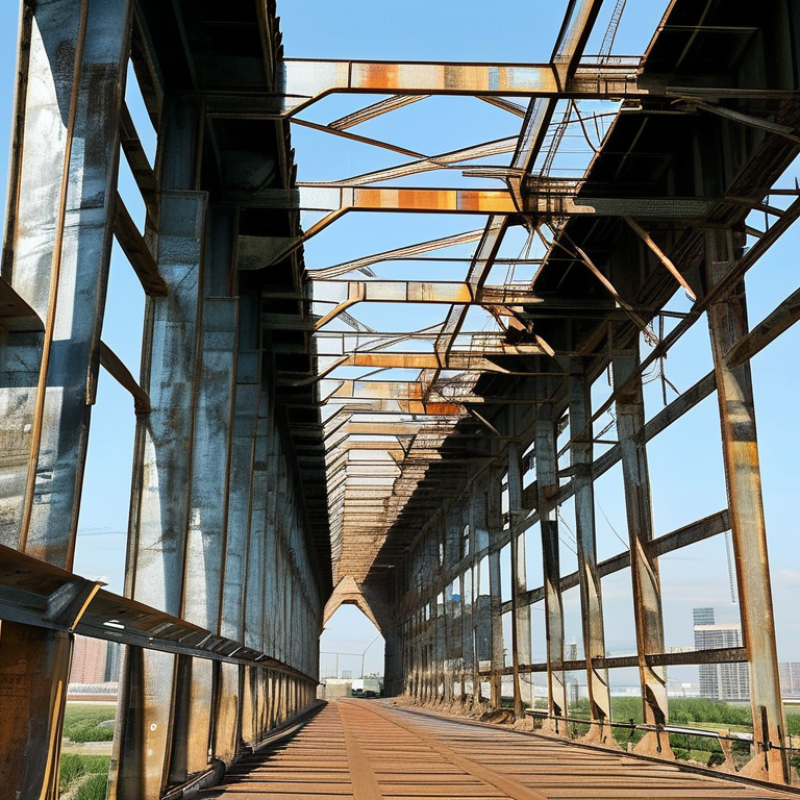
Composition of Steel and Its Impact on Strength
Steel is a vital material in construction. Its strength comes from its unique composition. Commonly, steel is made from iron, carbon, and other elements. The percentage of carbon usually ranges from 0.02% to 2.14%. This small amount of carbon significantly enhances the hardness and tensile strength of steel.
Other alloying elements, like manganese, nickel, and chromium, further improve its properties. Manganese increases ductility, while nickel adds toughness. Chromium helps resist corrosion, expanding the lifespan of steel structures. These variations in composition allow engineers to choose specific types of steel for different projects.
Different grades of steel exist for various applications. Structural steel is designed for beams and columns in tall buildings. However, not all steel is created equal. Some forms may not provide the desired strength or durability. Choosing the right composition requires deep knowledge. Inappropriate selections can lead to failures, making the understanding of steel's composition critical for safe construction practices.
Mechanical Properties of Steel in Structural Applications
Steel is a vital material in construction, particularly due to its unique mechanical properties. It exhibits high tensile strength, allowing it to withstand significant loads. According to the American Institute of Steel Construction, steel's tensile strength often exceeds 400 megapascals. This strength is crucial for structural integrity. Moreover, steel can endure compression, making it ideal for beams and columns in large buildings.
The ductility of steel is another important feature. This property enables steel to deform without breaking, which helps structures survive natural disasters. Research from the European Convention for Constructional Steelwork indicates that ductile steel can absorb energy effectively during seismic events. Steel's yield strength, typically between 250 and 550 megapascals, is essential for ensuring that structures can support loads while maintaining stability.
While steel offers many benefits, it has its limitations. Corrosion can weaken steel over time, requiring maintenance and protective coatings. Additionally, the environmental impact of steel production raises concerns. The industry must find ways to enhance steel's sustainability. As we advance, reflecting on these issues is vital to improving material performance. Steel remains a powerful choice in construction, yet it demands responsible management to maximize its potential.
What Makes Steel Strong for Structures in Construction? - Mechanical Properties of Steel in Structural Applications
| Property |
Description |
Typical Value |
| Yield Strength |
The stress at which a material begins to deform plastically. |
250 - 550 MPa |
| Tensile Strength |
The maximum stress a material can withstand while being stretched or pulled before necking. |
400 - 900 MPa |
| Elongation |
The ability of a material to deform plastically before fracture. |
10 - 20% |
| Modulus of Elasticity |
A measure of the material's ability to deform elastically (i.e., non-permanently) when a force is applied. |
200 GPa |
| Impact Toughness |
The ability of steel to absorb energy during plastic deformation. |
27 - 50 J (at -20°C) |
Heat Treatment Processes for Enhancing Steel Strength
Heat treatment processes are vital for enhancing the strength of steel used in construction. These techniques modify the microstructure of steel, improving its mechanical properties. Common processes include annealing, quenching, and tempering. Each method impacts the steel differently, giving it unique characteristics suited for various applications.
Annealing involves heating steel to a specific temperature and then cooling it slowly. This process relieves internal stresses and improves ductility. It results in a softer steel, which is easier to work with but may not be suited for all structural applications. At times, this softness can lead to concerns about load-bearing capabilities.
Quenching, on the other hand, involves rapid cooling from high temperatures. This method increases hardness but can also introduce brittleness. It’s essential to temper quenched steel to regain some toughness. Striking a balance between strength and ductility is crucial, and missing it can lead to failures under stress.
Tip: Always consider the specific requirements of your project when selecting heat treatment processes. Testing the steel after treatment can help ensure it meets necessary standards. Remember, imperfect results can lead to critical insights and improvements in future processes. Explore and document various heat treatments for optimal outcomes.
Importance of Steel Alloying Elements in Construction
Steel is a critical material in construction due to its strength and versatility. Alloying elements play a vital role in enhancing steel's properties. Elements like carbon, manganese, and nickel can significantly improve strength, ductility, and resistance to corrosion. Carbon, for instance, provides hardness, but too much can lead to brittleness. An optimal balance is crucial in creating reliable structural steel.
Manganese acts as a deoxidizer and improves workability. While it enhances toughness, excessive levels can lead to issues in weldability. Nickel increases resistance to impact and extends the lifespan of steel in harsh environments. It’s essential to carefully consider these elements to achieve the desired characteristics for specific applications.
The selection of alloying elements requires specialized knowledge. Engineers must understand how each element interacts with others. Small variations can lead to different performance outcomes. It's a complex puzzle, and missteps in alloying can impact the safety of structures. Constant reevaluation and testing of steel compositions ensure that construction standards are met effectively.
Design Considerations for Steel Structures to Maximize Strength
When considering steel structures, strength is critical for safety and durability. The design must account for various factors, including load-bearing capacities and environmental conditions. Choosing the right steel grade is essential. Different grades have varying tensile strengths, affecting the overall integrity of the structure.
**Tip:** Always refer to the latest building codes and standards when selecting materials. This ensures compliance and safety.
Proper design involves the arrangement of beams and columns. The spacing between these elements influences the distribution of forces. Engineers often recommend using a triangular configuration for increased stability. This design helps transfer weights more uniformly.
**Tip:** Don’t overlook the importance of connections. Welding and bolting techniques can significantly impact the load-bearing capabilities of steel structures.
Innovative design methods, like using computational simulations, can provide insights into material performance. However, relying solely on technology may not address all potential issues. Field testing remains crucial for validating designs and materials.
**Tip:** Regularly revisit and reassess the design plans during construction. This practice helps catch any discrepancies early on.
Steel Strength in Construction: Design Considerations
This bar chart illustrates the tensile strength, yield strength, and fatigue strength of different types of steel used in construction. Understanding these properties is crucial for maximizing the strength and durability of steel structures.
FAQS
: Steel is primarily made from iron, carbon, and other elements. Carbon usually ranges from 0.02% to 2.14%.
The carbon content drastically enhances steel's hardness and tensile strength. Even small percentages make a significant difference.
Elements like manganese, nickel, and chromium improve properties. Manganese increases ductility; nickel adds toughness, and chromium resists corrosion.
Not all steel types provide desired strength. Incorrect choices can lead to failures, emphasizing the need for better understanding.
Steel has high tensile strength and ductility. It can withstand heavy loads and deform without breaking during disasters.
Common processes include annealing, quenching, and tempering. Each alters steel's microstructure and mechanical properties differently.
Annealing softens steel by relieving internal stresses, improving ductility. However, it may affect load-bearing capacity.
Quenching hardens steel through rapid cooling but can introduce brittleness. Tempering balances strength with toughness.
Always evaluate project requirements. Testing treated steel ensures it meets necessary standards, even imperfect results yield valuable insights.
Steel production has significant environmental impacts. Reflecting on sustainability issues is vital for improving material performance.
Conclusion
The article "What Makes Steel Strong for Structures in Construction?" explores the key factors that contribute to the strength of steel used in construction. It begins with the composition of steel, highlighting how the specific percentages of carbon, manganese, and other elements significantly affect its overall strength and durability. Mechanical properties such as tensile strength, ductility, and toughness are examined, emphasizing their crucial roles in structural applications.
Furthermore, the piece discusses various heat treatment processes that enhance steel strength, alongside the importance of alloying elements that provide additional properties like corrosion resistance. Finally, it touches upon design considerations that engineers must take into account to maximize the structural strength of steel. Ultimately, the article provides a comprehensive understanding of what makes steel strong for structures, showcasing its foundational significance in construction.
 BLS Structural Steel
