BLS Structural Steel BLS Structural Steel

Top 10 Tips for Selecting Metal Materials in Engineering?

Time:2026-05-13 Author:Oliver
0%

Selecting the right metal materials for engineering is crucial to project success. According to a 2022 report by the Material Research Society, improper material selection can lead to severe performance failures and increased costs. Sergio Collins, an industry expert at the Metalworking Institute, emphasizes, "Choosing the right material isn't just an option; it's a necessity." His insight underscores the importance of understanding material properties.

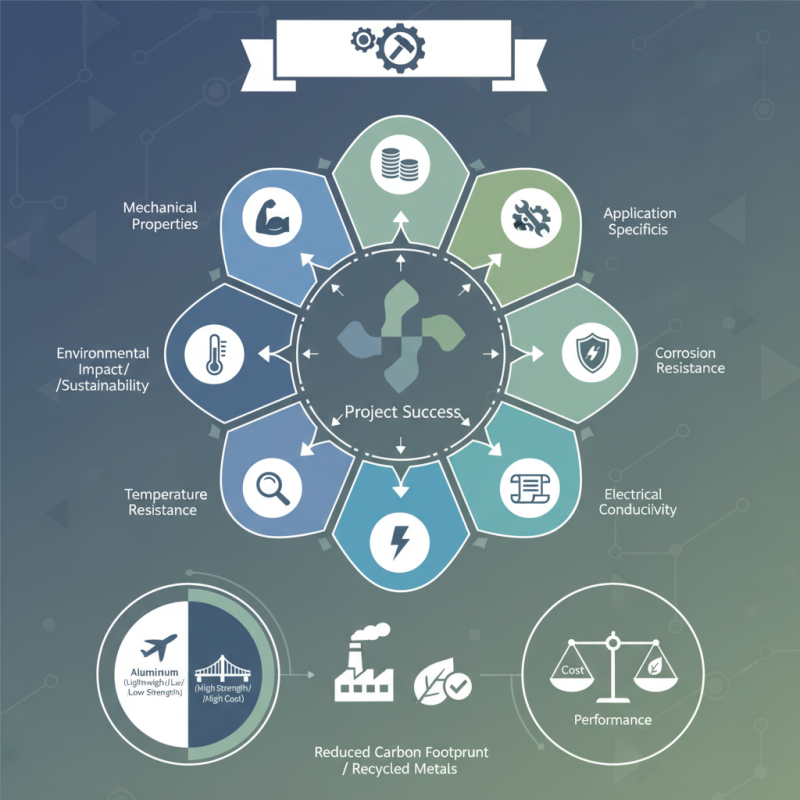
Engineers must consider various factors when determining how to select the right metal materials for engineering. These include mechanical properties, cost, and environmental impact. For instance, aluminum is lightweight but may not offer the strength required for heavy loads. In contrast, steel provides superior strength but can be more expensive and heavier. It’s essential to balance these factors carefully.

The decision process can be daunting. Some engineers might overlook the importance of sustainability, especially with growing eco-efficacy demands. Reports indicate that integrating recycled metals can significantly reduce production costs and carbon footprint. However, many struggle to embrace this shift. Finding the right balance between cost, performance, and environmental responsibility remains a challenge within the industry.
Top 10 Tips for Selecting Metal Materials in Engineering?

Understanding the Properties of Common Metal Materials in Engineering

When selecting metal materials for engineering projects, understanding their properties is crucial. Metals vary widely in characteristics. For example, steel is strong and durable, making it ideal for construction. Aluminum, on the other hand, is lightweight and resistant to corrosion. These properties affect not just performance but also cost and feasibility.

Each metal has its unique challenges. While titanium offers excellent strength-to-weight ratio, it can be expensive to process. Copper is highly conductive, but it may not withstand extreme temperatures well. Engineers must weigh these factors carefully. Sometimes, the most apparent choice may lead to unexpected issues down the road.

Testing methods like tensile and fatigue tests provide insight into material suitability. Using simulations can also help assess how a metal will behave under pressure. These steps can prevent costly mistakes later on. An informed choice can enhance project reliability and longevity. Always consider both the benefits and limitations of each material.

Top 10 Tips for Selecting Metal Materials in Engineering

Metal Type Density (g/cm³) Tensile Strength (MPa) Corrosion Resistance Common Applications
Aluminum 2.7 90-700 Good Aerospace, Automotive
Steel 7.85 370-860 Variable Construction, Machinery
Copper 8.96 210-400 Good Electrical, Plumbing
Titanium 4.51 240-1400 Excellent Aerospace, Medical Implants
Nickel 8.90 370-580 Very Good Alloys, Coinage
Zinc 7.14 100-320 Good Galvanizing, Alloys
Magnesium 1.74 230-350 Fair Automotive, Aerospace
Lead 11.34 12-20 Poor Batteries, Shielding
Bismuth 9.78 200-300 Good Alloys, Pharmaceuticals

Evaluating Mechanical Strength and Durability Requirements for Projects

Selecting the right metal materials for engineering projects requires careful consideration of mechanical strength and durability. Projects often involve various stresses and strains, making it vital to choose metals that can withstand different forces. Engineers must evaluate load-bearing capacities to ensure the metal can endure the demands of use over time.

Testing mechanical properties like tensile strength and fatigue resistance is key. For example, steel might be strong but susceptible to corrosion if not treated properly. Similarly, aluminum is lightweight but may lack the load-bearing capacity of heavier metals. Understanding these nuances helps engineers determine the best material for specific conditions.

Durability should not be an afterthought. Extreme environments, such as high temperatures or corrosive atmospheres, can compromise material integrity. Regular assessments and recalibrations of material selection can lead to better project outcomes. Engineers might face challenges in sourcing the ideal materials. Balancing cost and performance is not always straightforward, necessitating continual evaluation and adjustment.

Assessing Corrosion Resistance Based on Environmental Conditions

Corrosion resistance is crucial when selecting metal materials in engineering. Environmental conditions greatly influence a metal's durability. For instance, metals exposed to high humidity, salt, or acidic environments are at higher risk of rapid degradation. According to a report by NACE International, nearly 30% of material failures in infrastructure are due to corrosion.

Choosing the right metal requires understanding these environments. Stainless steels, for example, can resist corrosion in aggressive conditions. However, even stainless steel is not immune to pitting and crevice corrosion. In coastal areas, aluminum alloys might provide a better option due to their natural oxide layer, which prevents corrosion. Yet, exposure to marine environments can lead to galvanic corrosion when they contact dissimilar metals.

Test data is imperative for informed choices. The National Association of Corrosion Engineers provides guidelines on corrosion rates for various metals. Understanding these metrics can help engineers avoid costly failures. Regular maintenance and environmental monitoring are also essential. Relying solely on material specifications can be misleading. Real-world performance must guide the selection process.

Assessing Corrosion Resistance Based on Environmental Conditions

Cost-Effectiveness Analysis of Different Metal Options in Engineering

When evaluating metal materials for engineering projects, cost-effectiveness is a key factor. Different metals come with varying price points. For instance, aluminum is often lighter and can reduce overall project weight, but it can also be more costly than steel. Conversely, steel is generally more affordable but can be heavier and less corrosion-resistant. Understanding the long-term implications of these choices can affect project outcomes.

Beyond initial costs, durability and maintenance are crucial to consider. Some metals may require specific coatings to enhance their lifespan, which adds to total expenses. This often leads to a trade-off between upfront costs and ongoing maintenance. Not all decisions are clear-cut. In some cases, an expensive material might prove more economical in the long run due to lower maintenance needs. Additionally, sometimes engineers might overlook the impact of sourcing and shipping costs, which can inflate budgets unexpectedly.

Choosing materials is complex and context-dependent. Local availability can impact both cost and delivery times. Engineers must weigh these variables carefully. Engaging with suppliers can reveal insights into lesser-known materials that might offer competitive pricing. Each decision should reflect a balance of cost, performance, and sustainability. While one option may seem ideal on paper, real-world factors can complicate the final choice.

Sustainability Considerations in Metal Material Selection for Future Projects

In the face of escalating environmental challenges, sustainability is crucial in selecting metal materials for engineering projects. According to a report by the International Institute for Environment and Development, nearly 60% of global greenhouse gas emissions come from materials production and processing. This statistic underscores the need for mindful material selection.

When choosing metals, consider recycled content. Using recycled aluminum, for example, reduces energy consumption by up to 95% compared to primary production. Such figures highlight the importance of embracing recycled materials. However, integrating recycled content can sometimes compromise material performance, requiring thoughtful analysis.

Lifecycle assessment (LCA) offers valuable insights into the environmental impact of materials. A detailed LCA can reveal unexpected resource depletion or energy costs linked to certain metals. Engineers must navigate these complexities to ensure sustainable choices. Balancing performance and environmental impact involves ongoing reflection and testing. Sustainability is not just a checkbox; it's an evolving commitment that shapes future engineering practices.

FAQS

: What should I consider when evaluating metal materials for projects?

: Consider cost-effectiveness, weight, durability, and maintenance needs of different metals.

Why is initial cost not the only factor in material selection?

Long-term durability and maintenance can affect overall expenses. Sometimes cheaper materials result in higher costs later.

How does local availability influence material choices?

Local availability impacts prices and delivery times, making it vital to assess before making decisions.

What role does recycled content play in metal selection?

Using recycled metals, like aluminum, can significantly reduce energy consumption but may affect performance.

How can lifecycle assessments aid in material selection?

LCAs reveal environmental impacts, resource depletion, and energy costs, guiding sustainable decisions.

Is sustainability a one-time consideration in engineering?

No, sustainability is an evolving commitment that requires ongoing evaluation and testing of materials.

Conclusion

Selecting the right metal materials for engineering involves understanding various essential properties of common metals. Key factors to consider include the mechanical strength and durability required for specific projects, as well as an assessment of corrosion resistance based on the environmental conditions the materials will face. Furthermore, conducting a cost-effectiveness analysis is crucial, as it helps in comparing different metal options and their overall impact on project budgets.

Additionally, sustainability considerations are increasingly important in metal material selection, ensuring that future projects align with environmental standards and practices. By integrating these factors, engineers can effectively navigate the complexities of how to select the right metal materials for engineering, leading to successful and sustainable outcomes in their projects.

Oliver

Oliver

Oliver is a seasoned marketing professional with a wealth of expertise in driving brand awareness and engagement. With a deep understanding of our company's product offerings, he consistently delivers high-quality content that enriches our professional blog. His insights not only shed light on......