Corrosion poses a significant threat to steel structures worldwide. According to a report by the National Association of Corrosion Engineers, corrosion costs the U.S. economy over $276 billion annually. This staggering figure highlights why corrosion protection is important for steel. Experts emphasize the need for effective protection measures to preserve infrastructure integrity.
Dr. Emily Richards, a leading specialist in corrosion science, states, “Investing in corrosion protection today saves future costs and ensures safety.” Her insights underline the necessity of proactive measures. Corrosion can weaken steel components, leading to catastrophic failures, particularly in critical structures like bridges and pipelines.
Without proper protection, the lifespan of steel can be drastically reduced. Rough environments exacerbate this issue, increasing the urgency for robust treatments. Many facilities are still unaware of the extensive impact corrosion can have. Therefore, understanding why corrosion protection is important for steel is crucial for stakeholders in all industries. By prioritizing these protective measures, we can safeguard not only infrastructure but also public safety.
Importance of Steel in Modern Infrastructure and Industry
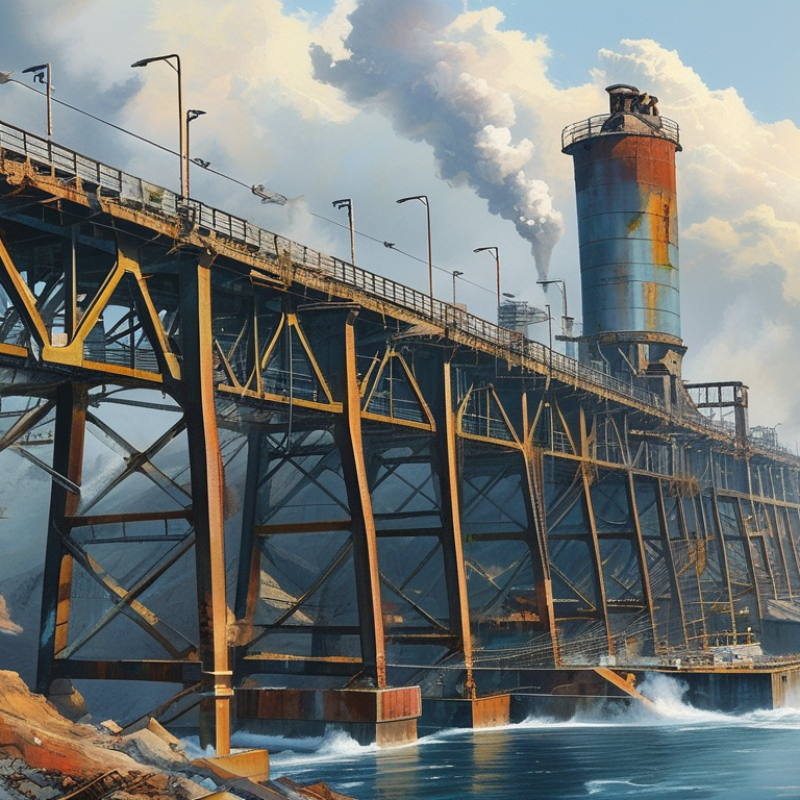
Steel is a cornerstone of modern infrastructure and industry. It forms the backbone of bridges, buildings, and machinery. This material is chosen for its strength and durability. However, steel is susceptible to corrosion. This degradation can lead to severe structural failures over time. Protecting steel from corrosion is essential to maintaining the integrity of our infrastructure.
Corrosion protection prolongs the life of steel structures. This can prevent costly repairs and ensure safety. Without it, bridges may weaken, and buildings could become hazardous. There are various methods for corrosion protection, such as coatings and galvanization. However, many projects overlook these vital steps. Some assume that steel is strong enough on its own. This misconception can lead to disastrous results.
Investing in effective corrosion protection is crucial for safety. Industries must recognize its importance to reduce long-term risks. The longevity of steel structures is not just a matter of economics; it is about protecting lives. Many still underestimate this aspect. As our infrastructure ages, we must reflect on how to enhance its resilience against corrosion.
Understanding Corrosion: Causes and Effects on Steel Materials
Corrosion is a natural process that deteriorates metals, especially steel. It occurs when steel reacts chemically with moisture and oxygen. This reaction forms rust, which weakens the material over time. Steel structures, like bridges and buildings, are particularly vulnerable. A small spot of rust can quickly spread, compromising the integrity of the entire structure.
The environmental factors contributing to corrosion include humidity, salt exposure, and pollutants. In coastal areas, saline conditions accelerate the corrosion process significantly. This deterioration can lead to safety hazards and costly repairs if not addressed promptly. Awareness of these causes is essential for implementing effective corrosion protection strategies.
Investing in corrosion protection is not just about maintenance; it is about ensuring safety and longevity. A proactive approach can save time and resources in the long run. Ignoring corrosion can lead to unexpected failures. Reflecting on these risks can prompt better practices in material selection and maintenance protocols. Each instance of corrosion reminds us of the importance of vigilance in protecting steel materials.
Methods of Corrosion Protection for Steel: An Overview
Corrosion protection for steel is essential to ensure its longevity and performance. There are various methods to safeguard steel structures.
Galvanization is one of the most common techniques. It involves coating steel with zinc, which provides a barrier against moisture and oxygen. This method is effective in preventing rust formation. However, the process can be costly and may require specialized equipment.
Another method is the application of paints and coatings. These protective layers can be tailored for specific environments. They can provide not only a durable shield but also enhance aesthetics.
The challenge here lies in selecting the right type of paint, as not all are suitable for every condition. Regular maintenance is crucial to ensure that these coatings remain intact.
Choosing the appropriate corrosion protection method should reflect the environment and specific needs of the project. Understanding local humidity levels and chemical exposure is vital. Keep in mind that some methods are not always foolproof. Monitoring the condition of steel over time is necessary for any protective measure. Regular inspections can help identify signs of corrosion early.
To enhance corrosion resistance, consider implementing a combination of methods. For instance, using both galvanization and protective coatings can provide extra layers of defense. Always stay updated with the latest advancements in corrosion protection technology to make informed decisions.
Economic Impact of Corrosion on Industries and Infrastructure
Corrosion poses a significant threat to industries worldwide. According to a report by the National Association of Corrosion Engineers, corrosion costs the U.S. economy over $276 billion annually. This loss encompasses maintenance, repairs, and the replacement of corroded infrastructure. The impact is felt in various sectors, including transportation, construction, and utilities. Corroded steel structures can lead to catastrophic failures, endangering lives and property.
Implementing effective corrosion protection measures is crucial. Regular inspections and maintenance can reduce long-term costs. It's essential to use appropriate coatings and materials that can withstand harsh environments. Properly maintaining assets extends their lifespan and improves safety, which ultimately enhances productivity and profitability.
Consider using rust-resistant alloys or applying protective coatings to exposed metal surfaces. Additionally, training employees on corrosion awareness can lead to proactive measures. The goal is to foster a culture that prioritizes maintenance and safety, reducing costly repairs in the long run. Embracing sustainability through corrosion protection not only safeguards finances but also the environment.
Long-term Benefits of Investing in Corrosion Protection Solutions
Corrosion protection for steel is not just an added expense; it is a long-term investment that yields significant benefits. According to a report from the National Association of Corrosion Engineers, corrosion costs the U.S. economy approximately $276 billion each year. This staggering figure underscores the importance of implementing robust corrosion protection solutions. By adopting such measures, industries can reduce maintenance costs and prolong the lifespan of steel structures.
Investing in corrosion protection can increase a steel asset's lifespan by 50% or more, yielding long-term savings. For instance, regular maintenance and protective coatings can potentially save up to 30% in repair costs over time. It's crucial to understand the initial costs of these protective measures are often offset by their longevity and reliability. However, many still overlook these strategies, leading to increased vulnerability and unexpected failures.
Moreover, proper corrosion management enhances safety and operational efficiency. Steel failures due to corrosion can lead to catastrophic incidents. By emphasizing preventive measures, businesses not only protect their investments, they safeguard their workforce. This dual focus on economic and human factors positions corrosion protection as an essential strategy in responsible steel management. While some may question the necessity of these investments, real-world data clearly outlines the risks of neglecting corrosion protection.
Top 10 Reasons Why Corrosion Protection is Vital for Steel
| Reason |
Description |
Long-term Benefit |
| 1. Enhanced Longevity |
Corrosion protection extends the lifespan of steel structures. |
Reduced replacement costs over time. |
| 2. Maintenance Cost Savings |
Lower frequency of maintenance interventions is required. |
Increased budget efficiency. |
| 3. Improved Safety |
Reduces the risk of structural failures due to corrosion. |
Enhances overall safety for users and workers. |
| 4. Environmental Protection |
Prevents harmful substances from leaching into the environment. |
Promotes sustainability efforts. |
| 5. Aesthetic Value |
Maintains the visual appeal of steel surfaces. |
Increases property value. |
| 6. Compliance with Regulations |
Helps meet industry standards and regulations. |
Avoids legal penalties and fines. |
| 7. Increased Efficiency |
Ensures optimal performance of steel structures. |
Maximizes operational effectiveness. |
| 8. Market Competitiveness |
Investing in corrosion protection can provide a competitive edge. |
Attracts more clients and projects. |
| 9. Increased Durability |
Enhances the durability of steel against harsh conditions. |
Ensures long-term performance in diverse environments. |
| 10. Return on Investment |
Long-term savings justify initial corrosion protection costs. |
Overall increased profitability. |
Conclusion
Corrosion protection is vital for steel due to its significant role in modern infrastructure and various industries. Steel structures are prone to corrosion, which can lead to severe structural failures, safety hazards, and economic losses. Understanding the causes and effects of corrosion is essential for implementing effective protection methods. Various strategies, such as coatings, cathodic protection, and alloying, can significantly extend the lifespan of steel assets.
Investing in corrosion protection solutions is not only a matter of safety but also of economic prudence. The financial impact of corrosion on industries and infrastructure can be staggering, resulting in costly repairs and maintenance. By recognizing why corrosion protection is important for steel, stakeholders can make informed decisions that enhance durability, reduce long-term costs, and ensure the reliability of essential structures and systems.
 BLS Structural Steel
