When we consider construction materials, steel stands out prominently. It's vital in shaping our built environment. According to Dr. Emily Carter, an expert in structural engineering, "Steel is the backbone of modern construction." This idea captures its importance in maintaining structural integrity and safety.
What is steel used for in construction? From beams and columns to reinforcement bars, steel plays diverse roles. It enhances durability and strength, especially in skyscrapers and bridges. In residential structures, steel frames offer a practical solution to design flexibility. However, it’s not without challenges. Corrosion and environmental concerns need to be addressed effectively.
Sometimes we overlook the simplicity of steel's effectiveness. The elegance of its design can mask the complexity beneath. Each steel element tells a story of innovation and necessity. As we continue to explore its potential, we must reflect on better practices. Steel has transformed construction, yet its future depends on sustainable applications.
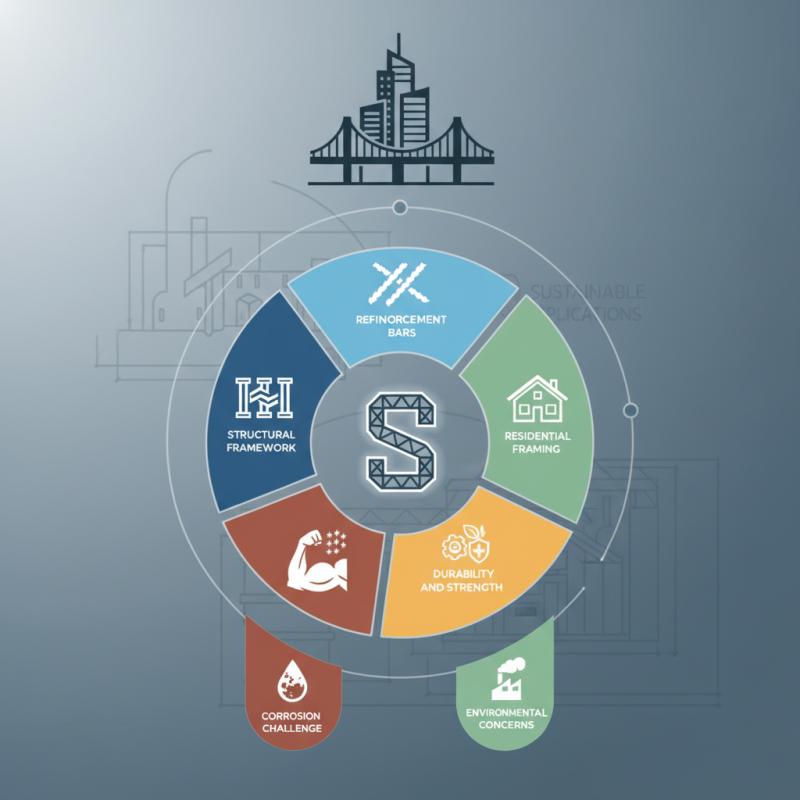
Overview of Steel in Construction
Steel plays a crucial role in construction, offering strength and durability. It is widely used in various structures, from skyscrapers to bridges. One common application is in the framing of buildings. Steel beams provide essential support, enabling designers to create larger open spaces. Without steel, many modern architectural feats would be impossible.
In addition, steel is used in reinforcement for concrete. When combined, they form a resilient structure that can withstand various stresses. Steel rebar, often seen within concrete slabs, enhances stability. Its ability to resist tensile forces makes it invaluable. However, the environmental impact of steel production raises questions. The resources required for extraction and processing can be significant.
Steel is also favored for its longevity. Structures can last decades, requiring less maintenance. Yet, this durability depends on proper treatment to prevent rust and corrosion. Choosing the right type of steel for specific environments is vital. Decisions here can lead to successes or failures. Construction projects must always consider these factors to ensure resilience and efficiency.
Structural Applications of Steel
Steel plays a crucial role in structural applications. It is a primary material in constructing buildings, bridges, and other infrastructures. According to the American Institute of Steel Construction (AISC), about 75 million tons of steel are produced annually for construction purposes. This figure emphasizes steel's significance in providing strength and durability.
In buildings, steel frames support high-rise structures. They withstand heavy loads and resist lateral forces, such as wind and earthquakes. A study by the World Steel Association notes that steel's tensile strength allows for longer spans in construction. This capability reduces the need for numerous columns, enhancing design flexibility. However, not all steel structures are without flaws. Corrosion and rust can pose significant challenges, particularly in harsh environments.
Bridges also heavily rely on steel. They require materials that can endure both pressure and tension. The cost-effectiveness of steel is evident when comparing it to other materials. According to industry reports, using steel can lower construction costs while maintaining safety and longevity. Still, the environmental impact of steel production raises concerns. The industry's carbon footprint warrants critical reflection as construction projects increasingly focus on sustainability. Steel's advantages are clear, yet its challenges remind us of the need for continuous improvement.
Steel Reinforcement in Concrete Structures
Steel reinforcement in concrete structures plays a crucial role in modern construction. Steel bars, or rebar, provide tensile strength to concrete, which is inherently strong in compression but weak in tension. According to industry research, properly designed reinforced concrete can withstand stresses up to 80% higher than unreinforced concrete. This makes it a preferred choice for tall buildings and bridges.
Construction professionals often overlook the importance of correct placement and sizing of rebar. Inadequate reinforcement can compromise the overall integrity of the structure. For instance, the American Concrete Institute recommends specific spacing and diameter based on the load requirements. Failing to adhere to these guidelines can lead to cracking and eventual failure.
Tip: Regular inspections during the pouring process can help ensure proper rebar placement.
Environmental factors also affect steel’s performance in concrete. Corrosion can weaken the bonds over time, leading to expensive repairs. A study showed that up to 60% of concrete repairs are related to corrosion-related issues.
Tip: Using epoxy-coated and galvanized rebar can enhance longevity.
Attention to these details in steel reinforcement can significantly extend the lifespan of concrete structures. Proper selection and management of materials can make a substantial difference in construction outcomes. Avoiding shortcuts is essential; the future of structural safety depends on it.
Steel Roofing and Cladding Solutions
Steel roofing and cladding solutions have gained immense popularity in modern construction. They provide durability and longevity, making them a preferred choice for many builders. These solutions are not only functional but also enhance the aesthetic appeal of buildings. The sleek, modern look of steel can complement various architectural styles, appealing to diverse tastes.
One of the advantages of steel roofing is its resistance to harsh weather. Steel can withstand heavy rain, wind, and even hail. However, this durability comes with a challenge. Proper installation is crucial. If not done correctly, leaks may occur, leading to costly repairs. Additionally, steel is highly reflective, which can lead to overheating in some climates. This effect should be considered when designing buildings.
Cladding made from steel also allows for creativity in design. It can be pre-painted or coated to achieve different colors and finishes. Yet, choosing the right finish is important. Some coatings may degrade over time, impacting the building's appearance. Regular maintenance becomes essential to preserve both function and beauty. Balancing aesthetics with practicality can be a complex task for architects and builders alike.
Top 10 Uses of Steel in Construction
This chart illustrates the top 10 applications of steel in construction, highlighting its importance across various structural components. The use of steel in roofing, beams, and frames showcases its versatility and critical role in the industry.
Innovative Use of Steel in Sustainable Building Practices
Steel has become a pivotal material in the realm of sustainable building practices. Its strength and durability make it an ideal choice for a variety of structures. Innovative designs often integrate steel with eco-friendly components to create efficient buildings. Recycled steel can be used to minimize waste. This helps reduce the carbon footprint of new constructions.
Moreover, steel's lightweight nature allows for fewer resources during transportation. It can also be repurposed in future projects. This adaptability reduces the need for new materials, promoting sustainability. Yet, the production process for steel can be energy-intensive. Many builders are now seeking ways to lessen these environmental impacts. There are exciting developments in using alternative methods in production. These methods can lead to lower emissions.
While steel is a promising option, we must remain vigilant about its sourcing. Ethical considerations in material selection should always be part of the conversation. Balancing durability and sustainability is crucial. Steel can play a significant role in shaping a greener future, but awareness of its lifecycle is essential. Ultimately, the industry continues to explore ways to make steel use more responsible and innovative.
Conclusion
Steel plays a crucial role in construction due to its strength, durability, and versatility. In the overview of steel in construction, it is highlighted that steel serves a multitude of functions, from supporting structures to enhancing design aesthetics. When considering what is steel used for in construction, its structural applications are significant, as steel beams and columns provide the framework for buildings, ensuring stability and safety.
Moreover, steel reinforcement in concrete structures is essential for increasing tensile strength, allowing for more innovative design possibilities. Steel roofing and cladding solutions offer protection and insulation, while also contributing to the overall architectural appeal. Additionally, the innovative use of steel in sustainable building practices promotes eco-friendly construction methods, showcasing steel’s adaptability in modern architecture. Overall, steel is an indispensable material in the construction industry, playing a vital role in various applications.
 BLS Structural Steel
