BLS Structural Steel
The construction industry is undergoing significant transformation. Among the materials driving this change, steel stands out. As we explore "what trends are shaping the future of steel construction," several key factors emerge.
Sustainability is a priority. Architects and engineers are increasingly seeking eco-friendly methods. This includes using recycled steel and enhancing energy efficiency in production. The push for green buildings is strong. Innovative designs emphasize lower carbon footprints.
Technological advancements also play a crucial role. Automation and robotics improve efficiency on job sites. Additionally, Building Information Modeling (BIM) enhances collaboration and precision. These tools reshape how steel structures are planned and executed. However, challenges remain. The industry's adaptation to these trends can create a disconnect. Not every company can keep pace with these developments. As we move forward, reflecting on both successes and setbacks will guide the future of steel construction.
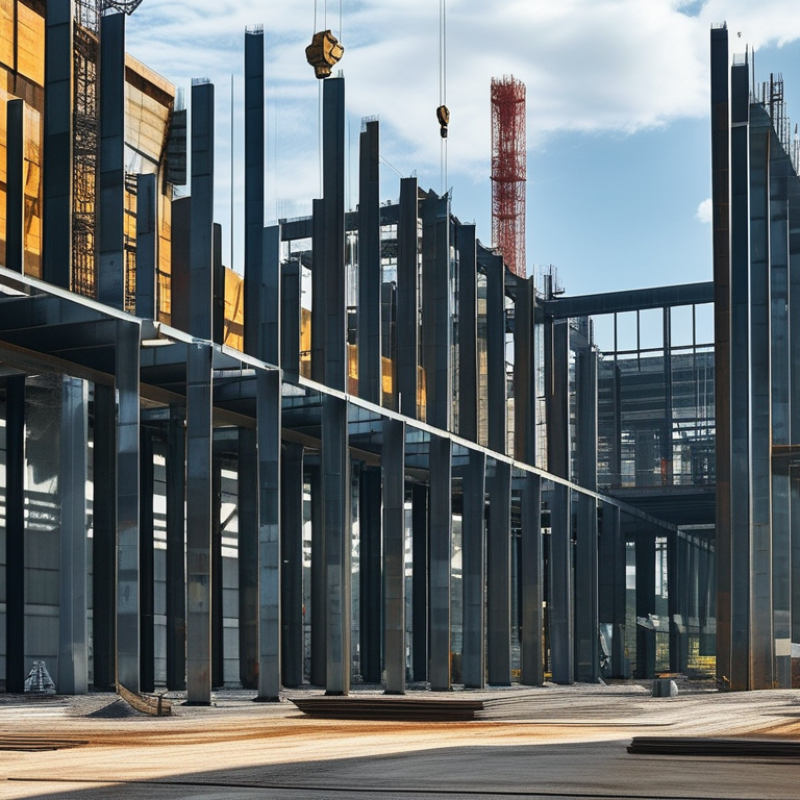
Emerging technologies are reshaping the steel construction industry. Innovations like 3D printing and advanced robotics are streamlining production processes. According to a report by McKinsey, digital technologies can enhance efficiency by up to 20%. These tools help reduce waste and improve precision in fabrication.
Building Information Modeling (BIM) is another key advancement. It enables better project visualization and collaboration among stakeholders. A study by Dodge Data & Analytics reveals that 79% of firms leveraging BIM report increased productivity. This collaborative approach leads to fewer errors and reduces rework costs, which can account for nearly 30% of a project's budget.
While these trends show great potential, challenges remain. The integration of new technologies often requires significant investment and training. Additionally, not all firms are prepared for a digital transformation. Many still rely on traditional methods, which can hinder progress. Balancing innovation with existing practices is crucial for the industry's evolution.
The steel industry is undergoing a significant transformation, with an emphasis on eco-friendly practices. Traditional steel production has long been associated with high carbon emissions and energy consumption. As environmental awareness increases, companies are exploring greener methods. For instance, the use of hydrogen in place of carbon during the manufacturing process is gaining attention. This shift could dramatically reduce harmful emissions.
Sustainable sourcing of raw materials is also becoming a priority. Recycling scrap steel is one solution that contributes to both reduced waste and lower energy costs. Many plants now utilize electric arc furnaces, which rely heavily on recycled materials. Yet, challenges remain. The infrastructure for widespread adoption of these technologies needs improvement.
Furthermore, the demand for ethically sourced resources continues to rise. Consumers are seeking assurance that the steel they use is produced with minimal environmental impact. Transparency throughout the supply chain is essential for building trust. Yet, not all players in the market are ready for this shift. Some companies still prioritize cost over sustainability, highlighting a divide in the industry. As we move forward, these discrepancies will need addressing for long-term progress.
The global steel market is entering a transformative phase. According to the World Steel Association, global steel demand is expected to reach 1.9 billion tons by 2025. This rise is largely driven by increased construction activities in emerging economies. Infrastructure projects are at the forefront, leading to heightened demand for steel products.
However, a closer look at supply chains reveals vulnerabilities. Logistic challenges have caused steel prices to fluctuate, impacting costs for construction projects. Recent reports indicate that steel prices surged by 50% in the last year due to supply chain disruptions. These dynamics create an unpredictable market that poses risks.
Regional disparities further complicate the landscape. Countries with limited production capacity struggle to meet their demands. This reliance on imports forces them to face higher costs and potential delays. As the market evolves, stakeholders must adapt to these complexities to ensure project viability. The need for innovative strategies has never been more urgent in this unpredictable environment.
Modular construction is revolutionizing steel fabrication. This method utilizes pre-fabricated sections of steel structures. These sections are manufactured off-site, allowing for quick assembly on location. The shift to modular design enhances efficiency and reduces waste dramatically. Structures can be assembled in days, not months.
One significant advantage is the reduced labor requirement. Fewer workers are needed on-site, which lowers costs. Additionally, the precision of off-site fabrication minimizes errors. Even minor mistakes can be costly. Ensuring accurate measurements and designs before construction starts is crucial.
Tips: Always involve a skilled design team early. They can foresee potential hiccups in the modular process. The collaboration between architects and engineers is vital for success. Regular consultations can identify challenges ahead of time. Moreover, stay updated on advances in construction technology. Adaptability is essential in this fast-evolving industry. Embrace innovation, but remain mindful of traditional methods that may still hold value.
The steel construction sector faces significant workforce challenges. According to a recent industry report, about 50% of skilled labor positions remain unfilled. This skills gap is widening as older workers retire. Meanwhile, fewer younger individuals are entering the trade. Training programs often lack modern techniques and materials.
Current educational pathways do not always align with industry needs. Many welding and fabrication programs are outdated. Employers report that more than 70% of new hires need additional training. Addressing this issue is crucial to ensure a competent workforce. Industry leaders must collaborate with educational institutions to update curricula.
Initiatives promoting apprenticeships can bridge this gap. These hands-on experiences are vital for skill development. Investing in outreach programs can attract younger talent. Fostering interest in steel construction careers among high school students is essential. The future of steel construction depends on effectively addressing these workforce challenges.
| Trend | Description | Impact on Workforce | Skills Required |
|---|---|---|---|
| Digitalization | Increased use of digital tools for design, scheduling, and project management. | Need for tech-savvy workforce; retraining existing workers. | BIM (Building Information Modeling), data analytics, software proficiency. |
| Sustainability | Focus on eco-friendly materials and energy-efficient processes. | Emerging roles in sustainable construction practices. | Knowledge of green materials, environmental regulations. |
| Prefabrication | Increasing use of off-site fabrication to reduce construction time. | Higher demand for skilled workers in precision manufacturing. | Blueprint reading, assembly skills, quality control knowledge. |
| Automation | Increased use of robotics and automated tools in construction. | Need for a new set of skills to manage and maintain technology. | Technical skills related to robotics, maintenance, programming. |
| Safety Innovations | Implementation of advanced safety technology and protocols. | Emphasis on training for safety compliance and new technologies. | Knowledge of safety regulations, emergency response training. |
: Increased construction activities in emerging economies are driving the rise in global steel demand.
Global steel demand is expected to reach 1.9 billion tons by 2025.
Logistic challenges and supply chain disruptions have caused fluctuations in steel prices.
Reports indicate that steel prices surged by 50% last year.
Modular construction uses pre-fabricated steel sections made off-site for quick assembly.
Modular construction reduces on-site labor needs, lowering overall costs.
About 50% of skilled labor positions remain unfilled, as training programs are outdated.
More than 70% of new hires need additional training due to outdated educational pathways.
Promoting apprenticeships and updating curricula can help bridge the skills gap.
Outreach programs targeting high school students can foster interest in steel construction careers.
The article "What Trends Are Shaping the Future of Steel Construction?" explores several key trends that are transforming the steel construction industry. Emerging technologies, including advanced automation and digital fabrication, are significantly enhancing efficiency and precision in steel constructions. Sustainability is becoming a crucial focus, as the industry shifts towards eco-friendly practices that minimize environmental impact. This shift reflects a broader commitment to sustainable development within construction.
Additionally, market dynamics are affecting steel prices and supply chains, influenced by global demand fluctuations. Innovations in design, particularly through modular construction, are revolutionizing steel fabrication methods, allowing for faster project completion and reduced waste. Finally, addressing the skills gap is essential for workforce development, ensuring that the industry remains competitive as it adapts to these advancements. Collectively, these elements highlight the transformative trends that are shaping the future of steel construction.
