BLS Structural Steel
Welding is a critical process in metal fabrication. It directly influences the properties of steel. Therefore, understanding how welding affects steel strength is essential for engineers and fabricators alike. The strength of a welded joint can vary significantly. Factors such as temperature, welding technique, and material composition come into play.
When welding steel, heat is applied, altering its microstructure. This can lead to changes in hardness and tensile strength. For instance, excessive heat may weaken the metal, while proper techniques can enhance its performance. It is vital to consider these aspects during design and execution to avoid structural failures.
Moreover, not all welding methods are the same. Each technique brings unique advantages and challenges. It is crucial to choose the right approach based on specific project requirements. Reflecting on the implications of welding on steel strength can ensure better outcomes. A thorough examination of these factors will promote optimal performance in the final product.
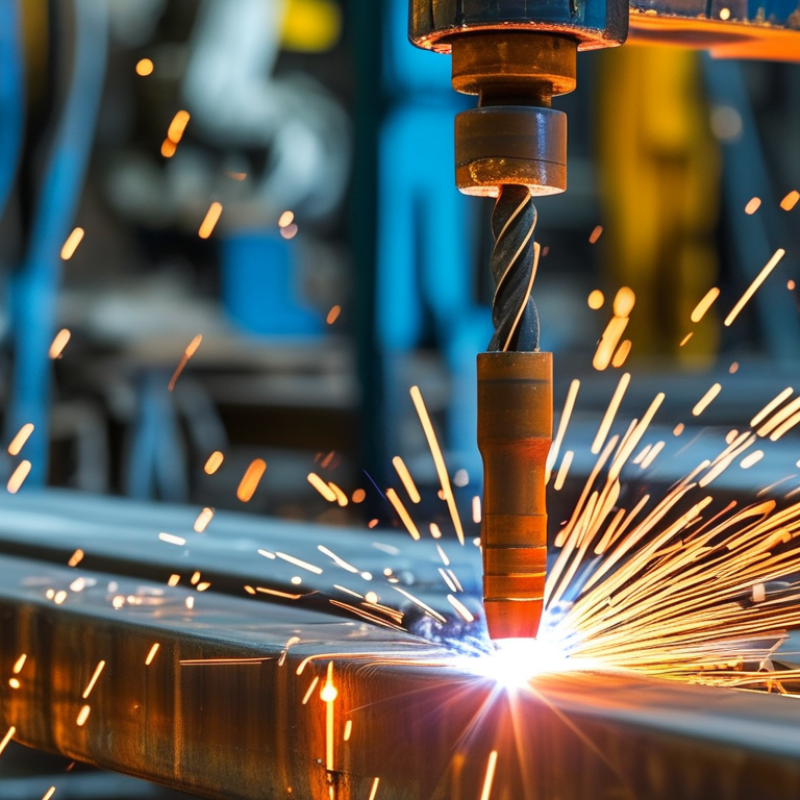
Welding is a critical process that influences the strength of steel. Different types of steel react uniquely to various welding methods. For instance, carbon steel, commonly used in structural applications, is sensitive to heat input during welding. Excessive heating can lead to reduced yield strength and ductility. According to studies by the American Welding Society, improper welding can decrease steel strength by as much as 40%.
Stainless steel offers different challenges. Its alloying elements enhance corrosion resistance but can complicate welding. If the cooling rate is too fast, it may lead to cracking. Research published in the Journal of Materials Engineering highlights that welding must be performed with precise control to maintain the metallurgical properties of stainless steel.
The characteristics of the base metal play a crucial role in welding outcomes. For example, the grade of steel determines the necessary techniques and pre-welding preparations. Some steels require post-weld heat treatment to relieve stresses, while others may suffer from warping. An industry report indicates that over 25% of welded structures require rework due to improper initial welding conditions. Proper knowledge and understanding of these variables are essential for optimal performance in welding applications.
Welding plays a crucial role in determining the strength of steel structures. Different welding methods, such as MIG, TIG, and stick welding, can produce varying results in steel's overall integrity. Each technique has its unique advantages and challenges. For instance, MIG welding is often faster, but it may not penetrate as deeply as TIG welding. This can lead to differences in tensile strength and durability.
The heat input during the welding process is another vital factor. Excessive heat can weaken the steel, causing changes in its microstructure. Such alterations may result in brittleness or cracks. On the other hand, insufficient heat can lead to incomplete fusion, leaving weak points in the weld. Being aware of these risks is essential for ensuring optimal performance in the final product.
Moreover, the choice of filler material can also impact the weld's strength. Incompatible filler can create weak joints, undermining the steel's capabilities. Welders must be knowledgeable about material properties to ensure that the right combinations are used. Continuous reflection on these aspects is key to improving welding techniques. Balancing speed and quality remains a challenge that requires constant practice and learning.
Welding significantly influences the strength of steel structures. Understanding the factors that affect weld integrity is essential for optimal performance. The type of welding technique used is crucial. Different methods, such as MIG or TIG, produce varying results in strength and ductility. Each method has its own heat input levels, which can either enhance or damage the material properties of the steel.
Material selection also plays a vital role. The chemical composition of the base metal must match the filler material to ensure compatibility. If the compositions differ too much, it can lead to embrittlement or weak joints. Furthermore, pre-welding conditions, such as surface cleanliness, are often overlooked. Contaminants like rust or oil can significantly compromise weld quality.
Post-weld treatments can rectify some initial flaws. Heat treatments may restore toughness, but not all structures can afford this extra step. Inconsistent execution of welding practices can lead to defects like cracks or voids. These issues often arise from inadequate training or supervision during the welding process. Investing in proper training and utilizing quality control measures are key steps in enhancing weld integrity.
This chart illustrates the effect of different welding methods on the tensile strength of steel. The data reflects typical tensile strength values in megapascals (MPa) for various welding techniques, helping to understand which method provides optimal steel integrity.
Welding significantly influences the strength of steel, impacting structural integrity. Post-welding, it is crucial to conduct thorough testing and measurements to ensure performance remains optimal. Different welding techniques can produce varying results in the microstructure of steel. Heat affected zones, or HAZ, may lose strength if not assessed properly.
Different tests, such as tensile and hardness tests, help evaluate the strength of welded steel. A tensile test measures the material's resistance to being pulled apart. Hardness tests check resistance to deformation. Both methods provide insight into the material’s capabilities. It’s essential to understand how welding alters the properties, as some methods might introduce weaknesses rather than bolster strength.
However, inconsistencies can arise, especially with varying welding conditions. Factors like temperature, speed, and technique play into the final outcome. Not every weld will meet strength requirements; some may need re-evaluation. Ensuring accuracy in testing will reveal areas of improvement. Real-world applications often expose deficiencies, pushing for continuous refinement in methods and practices.
Welding is a crucial process that directly impacts the strength of steel. To achieve superior performance, applying best practices is essential. Choosing the right welding technique is one of the first steps. Each method can yield different results regarding heat input and stress distribution. For instance, using TIG welding can result in less heat-affected zones compared to MIG welding, potentially enhancing strength.
Preparation plays a significant role as well. Clean surfaces ensure better fusion. Removing contaminants such as rust or oil can lead to stronger bonds. Inspecting joints before welding is also important. Even minor misalignments can weaken the final product. A well-aligned joint can distribute stress more evenly, improving durability over time.
Post-weld treatment deserves attention, too. Techniques like stress relief or proper cooling rates can reduce residual stresses. Skipping these steps might seem tempting for efficiency but often leads to cracks or weaknesses. Each of these factors contributes to the overall strength and performance of a welded structure. It’s vital to reflect on these practices frequently to identify areas for improvement.
: Different welding methods produce varying results, affecting the steel's integrity. Each technique has unique advantages.
Excessive heat can weaken steel, causing brittleness. Insufficient heat may lead to weak points in the weld.
Incompatible filler materials can create weak joints. Knowing material properties is crucial for strong welds.
Tensile tests measure resistance to being pulled apart, while hardness tests evaluate resistance to deformation.
HAZ are areas that may lose strength due to welding. Proper assessment is vital to ensure overall integrity.
Balancing speed and quality can be challenging. Regular reflection on techniques leads to skill improvement.
No, not every weld will meet requirements. Some may need re-evaluation to ensure optimal performance.
Temperature, speed, and welding technique affect the final result. Inconsistencies may require further evaluation.
Certain methods may alter properties adversely. Understanding these changes is critical for maintaining strength.
Thorough testing ensures welded structures perform optimally. It reveals areas for improvement in welding practices.
Welding is a critical process that significantly influences the strength of steel, primarily through the selection of welding methods and the types of steel involved. Understanding the fundamentals of welding and various steel types is essential, as each combination can yield different results in terms of structural integrity. Various welding methods apply distinct heat and stress to the material, which can either enhance or diminish the steel's strength.
Key factors affecting weld integrity include the quality of materials, the skills of the welder, and the conditions under which welding is performed. Testing and measuring steel strength after welding are crucial to ensure optimal performance, as this helps identify any weaknesses that may arise from the process. By following best practices in welding, including proper joint design and effective pre- and post-weld treatments, one can optimize welds, demonstrating how welding affects steel strength for superior structural performance.
