BLS Structural Steel
BLS Structural Steel
BLS Structural Steel
Discover our industry-acclaimed structural profiles, coated metal coils, and specialized industrial materials engineered for global regulatory compliance.
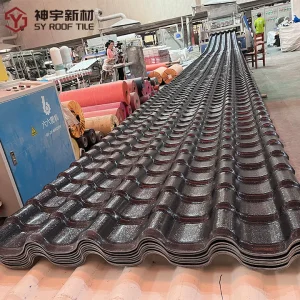
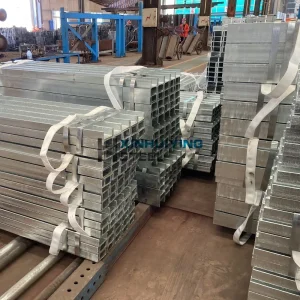
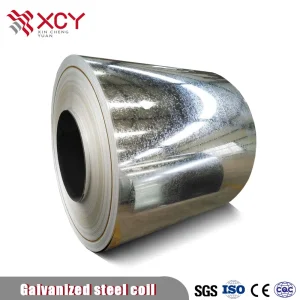
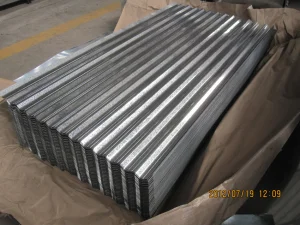
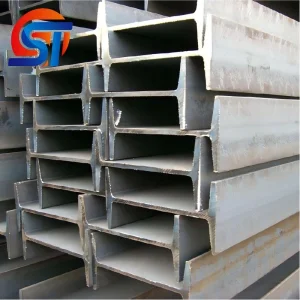
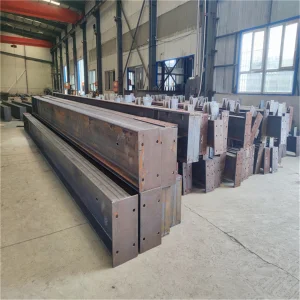
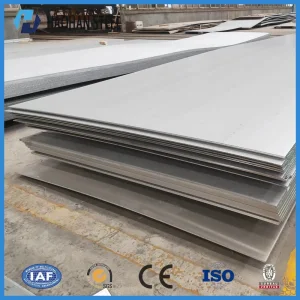
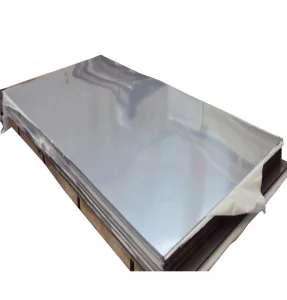
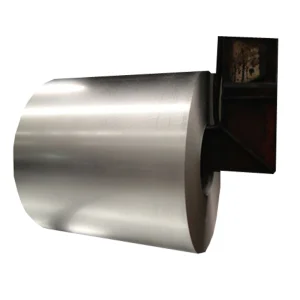
In the contemporary global metal markets, the demand for high-strength, lightweight, and durable architectural materials has escalated. CE Certified Aluminum Coils represent the pinacle of standardized engineering quality, conforming directly to stringent European safety, environmental, and performance directives (including Regulation (EU) No 305/2011). Because aluminum features an exceptional strength-to-weight ratio, high thermal conductivity, and inherent resistance to oxidative degradation, industrial manufacturers and civil engineering companies prioritize sourcing from accredited factories. As an integrated materials leader, Handan BLS Structural Steel Co., Ltd. ensures the convergence of structural design principles with advanced material supply, guaranteeing that raw inputs match architectural longevity demands.
Compliance with CE Standards (EN 485 and EN 573) ensures that aluminum sheets and coils have been tested under severe physical loads, chemical checks, and manufacturing consistency audits. Factories under this framework must implement rigid Factory Production Control (FPC) systems, tracing the alloy from primary smelting to cold-rolling.
Selecting the appropriate alloy series (such as 1xxx for chemical vessels, 3xxx for general construction roofing, 5xxx for marine exposure, or 8xxx for specialized foil packaging) defines project success. CE Certification verifies the precise micro-alloying ratios of Magnesium, Manganese, and Silicon to guarantee uniform yield strengths and grain structure alignment.
The mechanical performance of aluminum coils is determined largely by its temper state. From O (annealed) to H14, H24, or the high-strength T6 states, manufacturing parameters must be locked. An un-certified factory risks supplying coils with localized crystallization anomalies, leading to stress fractures during roll-forming or stamping. CE certification mitigates these industrial vulnerabilities by specifying test requirements for tensile strength ($R_m$), proof stress ($R_{p0.2}$), and percentage elongation ($A_{50mm}$).
Furthermore, modern industrial installations require stringent tolerances for flatness and thickness. Advanced tension leveling and continuous thickness monitoring equipment (using laser gauges or radioactive isotope thickness sensors) enable leading CE-certified exporters to achieve tight dimension controls that standard suppliers simply cannot maintain.
Precision engineers require coils with uniform thickness profile deviations restricted within micrometers. Variation across the width leads to unequal stamp forming pressures and premature die wear.
For anodized or pre-painted finishes, the presence of surface oils, chatter marks, or oxidation blemishes is unacceptable. Procurement managers search for mills that use hermetic degreasing lines.
During high-speed decoiling, any variance in internal stress leads to shape defects like wavy edges or center buckles. Correct tension leveling is a prerequisite for subsequent slitting operations.
Global buyers in regions such as the European Union, the United States, and Australia face significant regulatory hurdles. Importing non-CE compliant materials leads to delays at customs, structural failures, and liability under local building codes. By sourcing from a certified exporter, procurement professionals can trust the validity of the Mill Test Certificate (MTC) and avoid the risk of building structural non-compliance.
Additionally, anti-dumping duties and regional tariff fluctuations demand structured logistics. Modern exporters offer comprehensive freight tracking, specialized marine packaging (wooden skids, silica gel desiccants, and heavy-duty steel wrapping), and customized financing options to ensure predictable total cost of ownership (TCO).
Handan BLS Structural Steel Co., Ltd. is a professional manufacturer and supplier specializing in structural steel products for construction and industrial applications. Located in Handan, Hebei Province—one of China’s important steel production centers—the company benefits from a strong industrial foundation and convenient transportation networks.
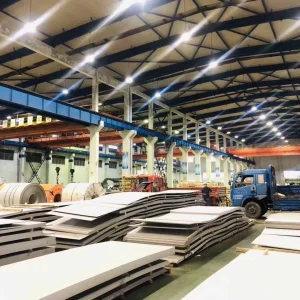
The company operates modern production facilities covering a large manufacturing area equipped with advanced processing equipment for cutting, forming, welding, and surface treatment. With well-organized workshops and efficient logistics management, Handan BLS Structural Steel provides reliable steel materials that meet the demands of infrastructure, commercial buildings, and industrial projects.
Employing a highly skilled workforce, including experienced engineers, technical specialists, quality inspectors, and production staff, the company ensures that every stage of production—from raw material selection to final inspection—meets industry requirements.
As metal technologies evolve, the combination of structural steel frameworks with high-performance CE Certified Aluminum cladding and functional coils represents a key macro solution. Our deep expertise in manufacturing heavy steel sections allows us to deliver integrated building envelopes where steel and aluminum perform in structural and thermal harmony.
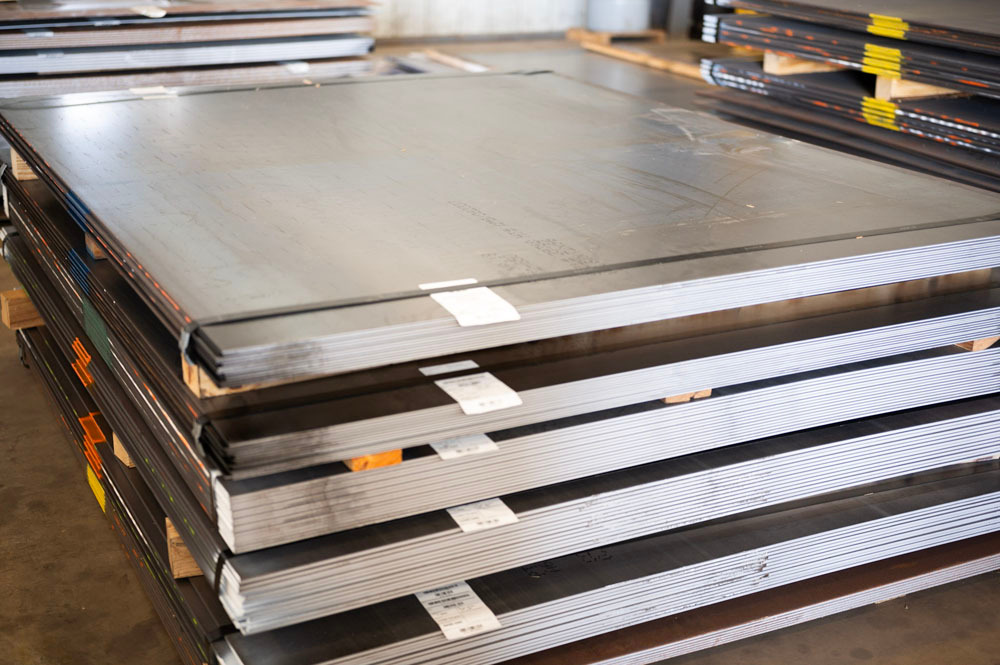
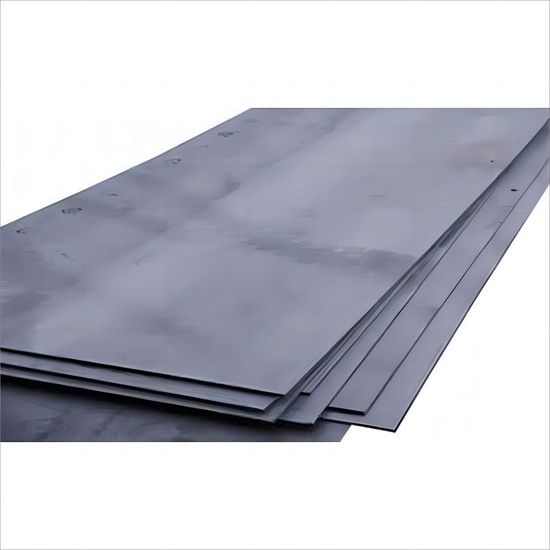
Modern architecture requires coordinated systems where structural frames and outer skins work together seamlessly.
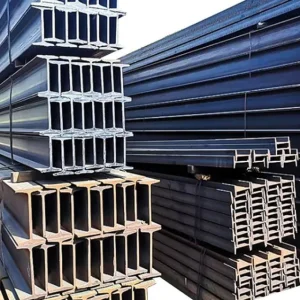
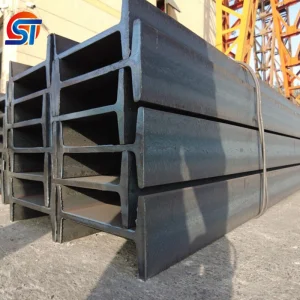
By supporting lightweight CE Certified Aluminum cladding on rigid H-beam steel skeletons, projects reduce structural dead loads. This allows for wider column spacing and improves seismic resilience in commercial buildings and warehouses.
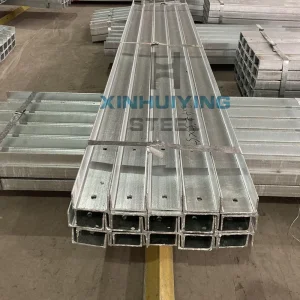
Combining galvanized Z-purlins with multi-layer prepainted aluminum coils creates weather-tight, insulated roofing systems. These assemblies prevent condensation, stop galvanic corrosion, and reduce energy consumption in extreme climates.
The manufacturing of aluminum coils is undergoing a major technological shift. The industry is moving from traditional Direct Chill (DC) casting toward Continuous Casting (CC) systems. Continuous casting reduces energy use by up to 35% by skipping the initial slab heating steps, producing coils with uniform metallurgical structures directly from molten metal.
Additionally, the rise of the circular economy is increasing demand for low-carbon "Green Aluminum." Mills are upgrading recycling lines to sort and process post-consumer scrap without compromising purity. Using advanced electromagnetic stirrers and melt refining techniques, exporters can produce recycled-content coils that meet structural performance standards.
For surface treatments, organic coatings are moving from traditional solvent-based formulations toward high-durability fluorocarbon (PVDF) and polyester (PE) coatings. These coatings resist solar radiation (UV degradation) and salt-air corrosion in coastal environments.
Continuous hot-rolling processes ensure consistent grain structure along the entire length of the coil, reducing yield variations.
Introducing recycled content to meet Scope 3 emissions targets without reducing the mechanical properties of alloys.
Using real-time optical scan arrays to identify, flag, and trace micro-surface defects during high-speed rolling.
Global industrial metal consumption patterns indicate a strong shift toward aluminum replacement in structural applications. In the automotive industry, manufacturers use 5xxx and 6xxx series aluminum coils to stamp body panels and chassis parts, reducing vehicle weight and improving fuel economy. In the HVAC and building service sectors, aluminum's thermal properties make it the preferred material for cooling fins, heat exchangers, and air distribution ducts.
At the same time, international trade rules are growing more complex. Exporters must manage carbon borders (like the EU's Carbon Border Adjustment Mechanism - CBAM) and changing regional safety and environmental standards. Sourcing from certified factories that provide verified carbon reporting and clear regulatory documentation helps prevent costly delays at destination ports.
To ensure reliability on site, CE-compliant factories use advanced testing laboratories to verify each production batch before shipment. This QA/QC protocol includes:
Every shipment of aluminum coils is accompanied by a Mill Test Certificate (MTC) conforming to the EN 10204 3.1 standard. This document contains full heat number traceability, metallurgical analysis, mechanical test data, and CE mark verification, giving engineering and construction teams complete quality assurance.
CE certification guarantees that the aluminum coil complies with EU construction products regulations (EN 485/573). It verifies consistent mechanical properties (tensile and yield strength), dimensional tolerances, chemical compositions, and that the mill operates under a validated factory production control (FPC) system.
The 3xxx (such as 3003/3105) and 5xxx (such as 5052/5754) series alloys are ideal for outdoor architectural use. The 3xxx series offers good formability and weather resistance at an economical cost, while the 5xxx series provides superior corrosion resistance in harsh industrial or marine coastal environments.
PVDF (polyvinylidene fluoride) coatings feature carbon-fluorine chemical bonds that resist UV rays, high temperatures, chemical exposure, and chalking, providing a lifespan of over 15 to 20 years. PE (polyester) coatings are more cost-effective and suitable for indoor applications or milder environments, but they weather more quickly under intense sun exposure.
Tension leveling stretches the metal beyond its yield point, flattening the strip to eliminate internal stresses. This prevents warp, bow, and wavy edges during subsequent cutting, stamping, or slitting operations, ensuring smooth feeding through automated production machinery.
Coils must be packed to prevent moisture ingress, which causes white rust (oxidation). Standard export packaging uses eye-to-sky or eye-to-wall configurations, wrapped in vapor-barrier plastic film and heavy-duty corrugated paperboard. It is then strapped with steel bands onto heat-treated wooden pallets and packed with silica gel desiccants.
Steel frames provide high-strength load bearing, while aluminum cladding serves as a lightweight, weather-resistant barrier. Designers use isolation gaskets or coated fasteners to prevent galvanic corrosion when the two metals meet, allowing the building envelope to combine structural strength with excellent thermal efficiency.
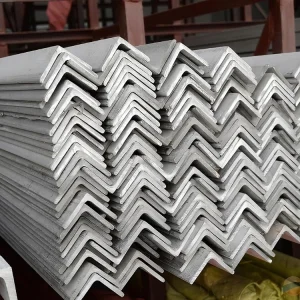
Complete your structural projects with our selection of certified beams, channels, angles, and high-strength plates.