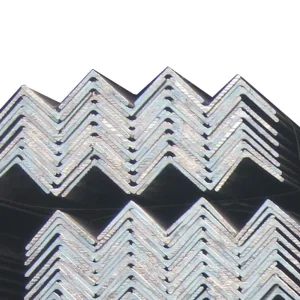
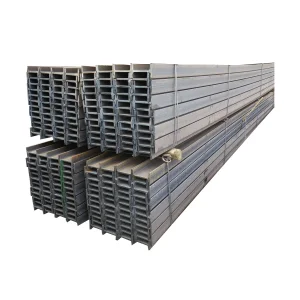
BLS Structural Steel
BLS Structural Steel
BLS Structural Steel
Engineered to exact international standards (ASTM, DIN, ISO, JIS) for global infrastructure and heavy construction resilience.
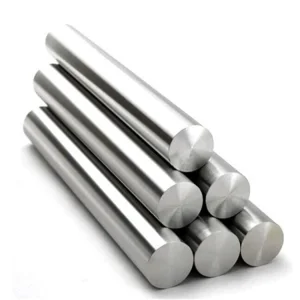
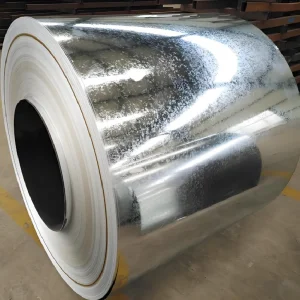
The global structural fastener and industrial bolt manufacturing domain represents the indispensable backbone of modern civil engineering, automotive manufacturing, energy infrastructure, and industrial equipment fabrication. As mega-infrastructure developments accelerate across North America, the European Union, the Middle East, and Asia-Pacific, the demand for high-tensile, corrosion-resistant, and precision-engineered structural bolts has witnessed an unprecedented trajectory. Industrial fasteners are no longer evaluated merely as commodity hardware; rather, they are recognized as safety-critical structural elements whose metallurgical composition, shear strength, and fatigue resistance dictate the longevity of bridges, skyscrapers, renewable energy installations, and transportation networks.
Within this expanding macro-economic environment, sourcing managers, EPC contractors, and structural engineering firms are confronted with complex supply chain variables. Selecting top trusted bolts factories and exporters necessitates a rigorous evaluation of supplier capabilities, quality control protocols, metallurgical traceability, and compliance with internationally recognized benchmarks such as ASTM, ISO, DIN, EN, and JIS standards. Industry leaders must navigate stringent environmental mandates, rising raw material fluctuations, and the necessity for enhanced load-bearing reliability under dynamic climatic and seismic conditions.
Information Gain Key Takeaway: Structural failure analysis in heavy civil engineering reveals that over 68% of fastener-related joints fail not from raw tensile breakdown, but from hydrogen embrittlement, improper torque-tension ratios, and inadequate surface anti-corrosion coatings. Top-tier manufacturers mitigate these risks through advanced thermo-mechanical control processes (TMCP) and computerized hot-dip galvanizing.
Production of 8.8, 10.9, and 12.9 high-strength bolts utilizing premium alloy steels engineered for heavy dynamic shear stresses.
Advanced surface protection including Hot-Dip Galvanizing (HDG), Dacromet, Geomet, and Zinc-Nickel alloy plating capable of 1,500+ hrs salt spray resistance.
Comprehensive ISO 17025 accredited laboratory testing providing EN 10204 3.1 Material Test Reports (MTRs) for full heat batch accountability.
Demonstrating verified manufacturing excellence from China's leading structural steel and fastener production hub.
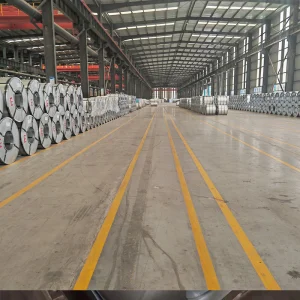
Handan BLS Structural Steel Co., Ltd. is a professional manufacturer and supplier specializing in structural steel products for construction and industrial applications. Located in Handan, Hebei Province—one of China’s important steel production centers—the company benefits from a strong industrial foundation and convenient transportation networks. The company operates modern production facilities covering a large manufacturing area equipped with advanced processing equipment for cutting, forming, welding, and surface treatment. With well-organized workshops and efficient logistics management, Handan BLS Structural Steel provides reliable steel materials that meet the demands of infrastructure, commercial buildings, and industrial projects.
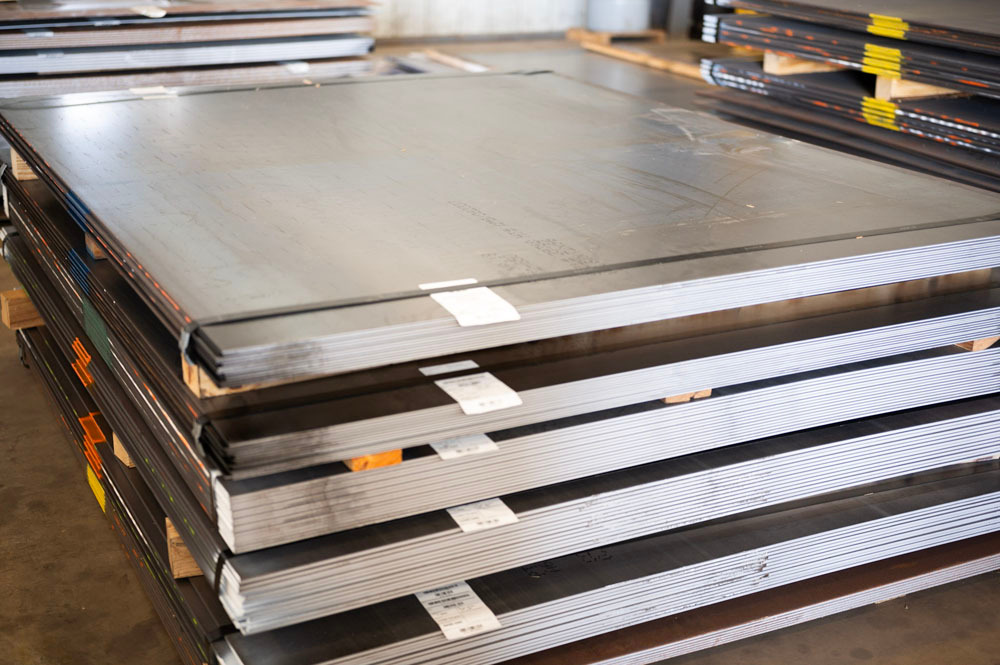
The company employs a skilled workforce including experienced engineers, technical specialists, quality inspectors, and production staff who work together to maintain strict quality standards. Through continuous training and technical development, the team ensures that every stage of production—from raw material selection to final inspection—meets industry requirements. Handan BLS Structural Steel focuses on delivering durable and precisely manufactured structural steel materials widely used in steel buildings, bridges, machinery manufacturing, and large construction projects. The company emphasizes efficiency, safety, and product reliability to support clients in completing projects successfully.
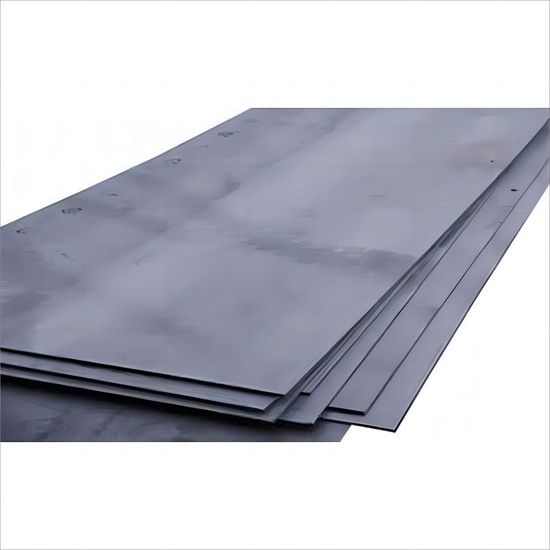
Since its establishment, Handan BLS Structural Steel Co., Ltd. has steadily expanded its manufacturing capacity and product portfolio to meet the growing demand of domestic and international markets. Over the years, the company has built long-term partnerships with contractors, distributors, and engineering companies. Guided by the principles of quality, integrity, and innovation, Handan BLS Structural Steel continues to improve its production capabilities and service system, aiming to become a trusted supplier of structural steel products and contribute to the development of modern infrastructure worldwide.
Understanding the mechanical properties, alloy chemistry, and international standards governing industrial bolts is vital for structural engineers and global procurement directors. Fasteners are classified by property classes that specify yield strength, ultimate tensile strength, elongation, and impact toughness. Below is a comprehensive engineering breakdown of standard bolt categories manufactured by top global exporters.
| Property Class / Grade | Material & Heat Treatment | Yield Strength (Min. MPa) | Tensile Strength (Min. MPa) | Primary Industrial Applications |
|---|---|---|---|---|
| ISO 898-1 Grade 8.8 | Medium Carbon Steel, Quenched & Tempered | 640 | 800 | General mechanical machinery, structural steel framing, agricultural equipment. |
| ISO 898-1 Grade 10.9 | Low Alloy / Medium Carbon Alloy Steel (e.g., 40Cr, 35CrMo) | 940 | 1040 | High-stress structural joints, automotive suspension, crane runways, power plants. |
| ISO 898-1 Grade 12.9 | Alloy Steel (e.g., 42CrMo, SCM435), Alloy Q&T | 1100 | 1220 | Critical heavy machinery, hydraulic pumps, precision automotive, aerospace tooling. |
| ASTM A325 / F3125 Grade A325 | Heavy Hex Structural Carbon or Alloy Steel | 635 | 830 | Structural steel building connections, highway bridges, staging frameworks. |
| ASTM A490 / F3125 Grade A490 | High-Strength Alloy Structural Steel | 895 | 1035 | Skyscrapers, dynamic bridge girders, heavy industrial crane supports. |
| Stainless Steel A4-80 (AISI 316) | Austenitic Stainless Steel (Cold Worked) | 600 | 800 | Marine environments, chemical processing plants, offshore oil platforms. |
The global structural fastener industry is undergoing a digital and metallurgical transformation driven by three core pillars: automation in manufacturing, IoT-enabled structural monitoring, and sustainable decarbonized production processes. Leading exporters in China and globally are adopting state-of-the-art cold heading formers capable of multi-station high-speed forming with zero raw material waste.
Integration of piezoelectric sensors and RFID chips directly inside high-tensile bolt heads allows real-time wireless monitoring of clamping force and tension relaxation in wind turbines and mega-bridges.
Transition from conventional electro-galvanizing to micro-thin zinc flake coatings (Dacromet/Geomet) and mechanical zinc plating to eliminate hydrogen embrittlement risks in 10.9 and 12.9 grade fasteners.
Utilization of Electric Arc Furnace (EAF) steel billets manufactured with renewable energy, reducing the embedded carbon footprint of exported steel products by up to 45%.
Structural bolts, steel beams, and galvanized coils are combined across diverse environmental and engineering scenarios. Below are four primary macro-industrial solutions deployed worldwide:
Offshore environments present severe atmospheric C5-M marine corrosion challenges. High-strength M36 to M72 foundation anchor bolts and tower connection bolts require thick hot-dip galvanizing (HDG > 85 µm) or duplex stainless steel (2205/2507) to withstand constant cyclic wave loads, salt spray, and extreme fatigue.
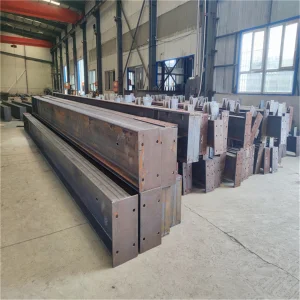
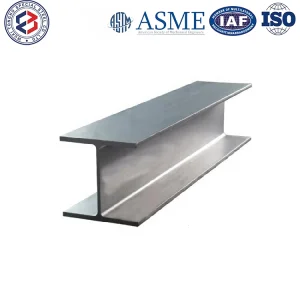
Commercial logistics hubs and industrial plants utilize heavy hot-rolled ASTM A36 / S355JR H-Beams paired with Grade 8.8 and 10.9 structural bolts. Modern pre-engineered steel buildings (PEB) rely on exact bolt hole alignment and controlled torque-tension ratios to resist high wind loads and seismic displacement.
Transportation infrastructure demands dynamic fatigue resistance. Friction-grip structural bolts (Tension Control Bolts / TCBs) equipped with direct tension indicators (DTIs) ensure uniform clamping load, preventing shear displacement under heavy rolling locomotive and vehicle traffic.
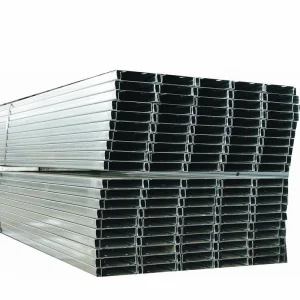
Utility-scale solar farms deployed in desert or coastal regions mandate lightweight, high-corrosion-resistant structural profiles (C/Z Purlins) and self-drilling structural screws / zinc-nickel coated bolts. This guarantees a 25-to-30-year operational service life matching solar module warranties.
Addressing key technical queries from structural engineers, procurement professionals, and industrial importers.
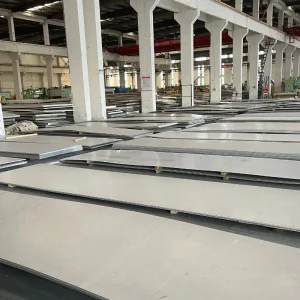
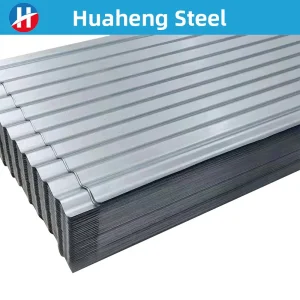
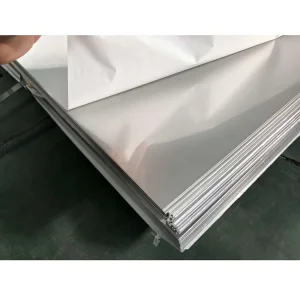
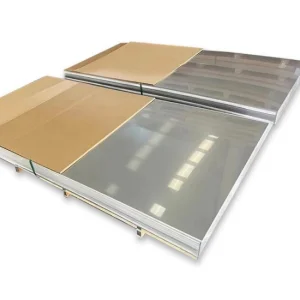
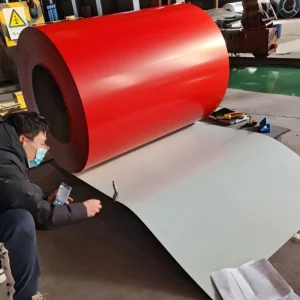
Explore our full line of hot-rolled profiles, structural beams, stainless steel plates, and galvanized roofing solutions.