BLS Structural Steel
BLS Structural Steel
BLS Structural Steel
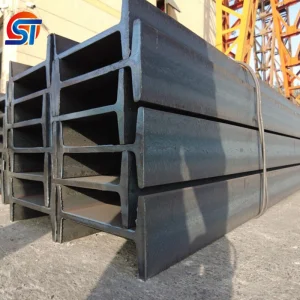
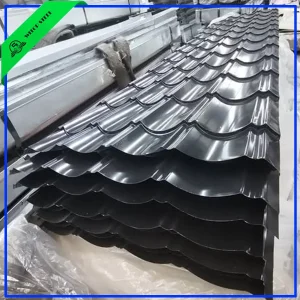
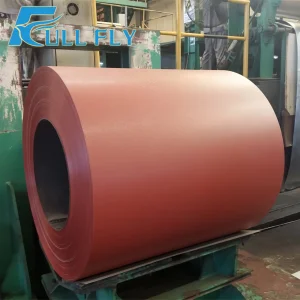
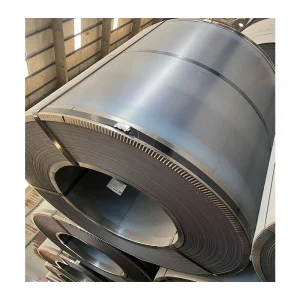
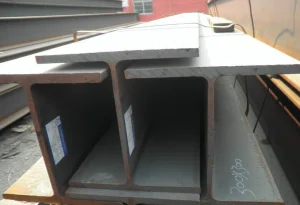
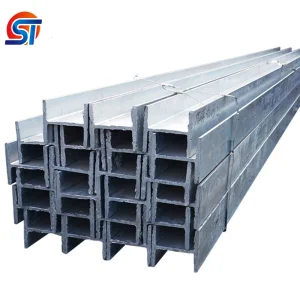
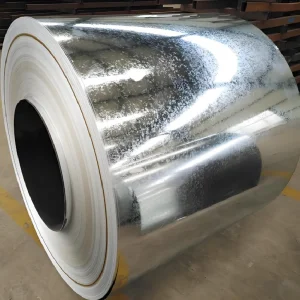
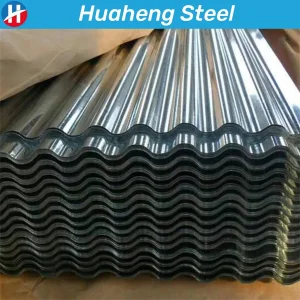
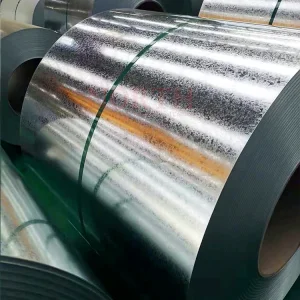
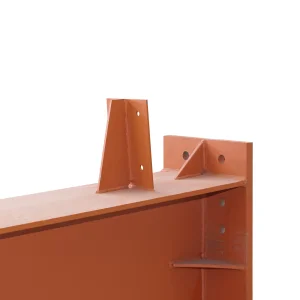
Explore our industrial-grade structural beams, carbon steel coils, and weathering sheets engineered to strict global standards.
Carbon steel piping serves as the primary circulation system of global industry—delivering raw energy, handling critical structural loads, and enabling mechanical progress.
The global oil and gas sector depends fundamentally on high-strength transmission pipelines. High-yield carbon steel line pipes manufactured to API 5L standards are critical to safeguarding cross-border logistics and sustaining energy networks under extreme high-pressure and corrosive conditions.
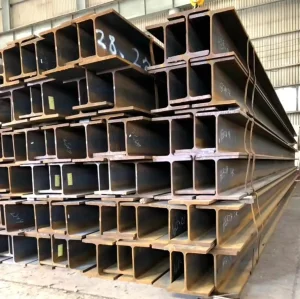
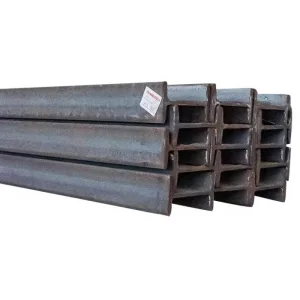
From high-rise buildings and modern sports stadiums to deep-sea offshore platforms, hollow structural sections (HSS) provide optimal strength-to-weight ratios. Their geometric efficiency resists torsional loads and compression, making them superior to standard structural components in challenging environments.
Downstream refinery processes, chemical formulation lines, power plants, and industrial boilers demand piping systems that withstand intense thermal strain. Carbon steel pipes produced under ASTM A106 and ASTM A53 standardizations provide the structural reliability required to mitigate containment failures.
In modern industrial sourcing, purchasing managers look beyond simple cost-per-ton pricing to analyze the total lifecycle cost. Sourcing from a reliable China carbon steel pipe manufacturer delivers substantial structural advantages. The dynamic integration of raw materials, optimized metallurgy, and strict quality control protocols ensure these components perform reliably under pressure, bending stresses, and high thermal gradients.
As international supply chains face logistical and geopolitical challenges, working directly with established exporters like Handan BLS Structural Steel provides commercial stability. Our deep proximity to major raw steel production hubs minimizes transport times, guarantees steel grade consistency, and ensures that material certifications (including EN 10204 3.1) are fully traceable from the furnace to the project site.
The global steel procurement market relies heavily on Chinese steel manufacturing centers due to their unmatched supply chain integration. In regions like Handan, Hebei Province, the concentration of iron smelting, steel refining, billet rolling, and pipe fabrication creates a highly integrated production ecosystem.
This concentrated industrial footprint delivers distinct logistical and operational advantages for international buyers:
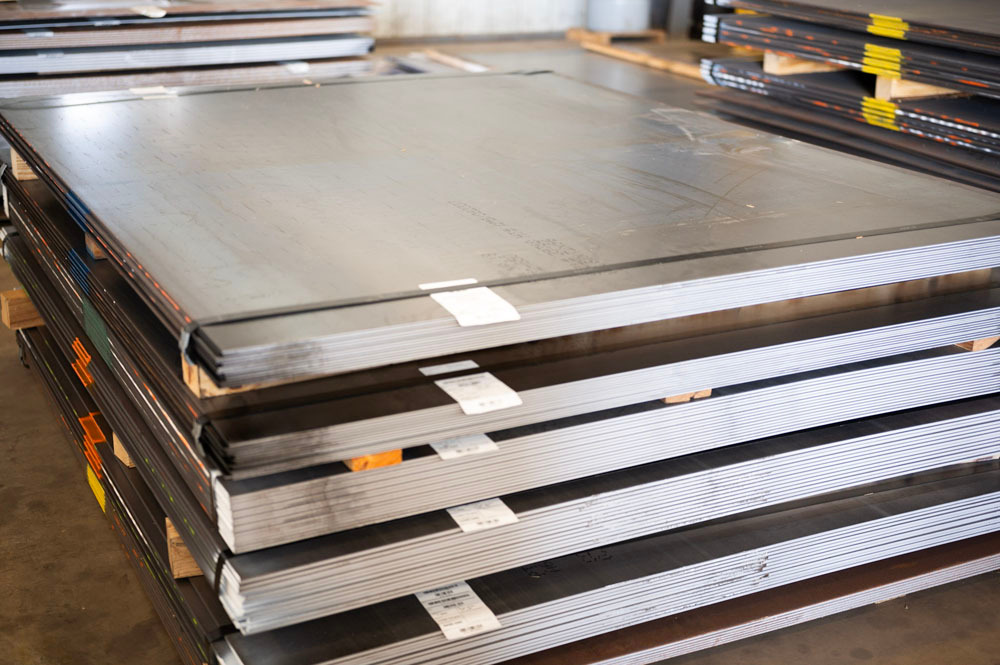
A reference matrix comparing common structural and fluid-transmission carbon steel pipe grades used in engineering projects.
| Standard Specification | Common Steel Grades | Manufacturing Process | Key Applications | Yield Strength (Min) |
|---|---|---|---|---|
| ASTM A53 / ASME SA53 | Grade A, Grade B | Seamless / ERW (Welded) | Steam, water, air, and gas distribution; low-pressure structural installations. | 240 MPa (Grade B) |
| ASTM A106 / ASME SA106 | Grade B, Grade C | Seamless Only | High-temperature industrial refining, power generation piping, and boiler lines. | 240 MPa (Grade B) |
| API Spec 5L | X42, X52, X60, X65, X70 (PSL1 & PSL2) | Seamless / LSAW / ERW | Long-distance transport lines for natural gas, crude oil, and chemical slurries. | 360 - 485 MPa |
| ASTM A500 / A501 | Grade A, B, C, D | Welded / Seamless (Round, Square) | Structural framing, heavy equipment chassis, architectural supports, and bridges. | 317 MPa (A500 Gr. B Round) |
| EN 10219 / EN 10210 | S235JRH, S275J0H, S355J2H | Cold formed / Hot finished | Civil engineering structural frameworks, offshore steel piles, and marine architecture. | 355 MPa (S355) |
Carbon steel piping and structural sections perform critical functions across a wide range of global operating environments.
Large-diameter carbon steel pipes serve as structural foundation piles for marine terminals, deep-water ports, and coastal bridges. These piles withstand intense lateral ocean currents and heavy downward vertical loads. They are often coated with anti-corrosive coal tar epoxy or 3LPE systems to protect against splash-zone wear.
High-capacity water mains and industrial wastewater systems use large-diameter welded carbon steel pipes. These pipelines feature interior cement mortar or epoxy linings to ensure clean water transport, paired with exterior polyethylene wraps to protect the pipe from soil-based corrosion over long service lives.
In municipal energy networks, pre-insulated carbon steel pipes transport pressurized steam or superheated water over long distances. High-quality ASTM A53 Grade B welded lines serve as the core carrier pipe, keeping system pressures stable and preventing thermal leakage.
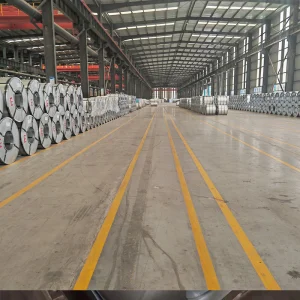
Handan BLS Structural Steel Co., Ltd. is a professional manufacturer and supplier specializing in structural steel products for construction and industrial applications. Located in Handan, Hebei Province—one of China’s important steel production centers—the company benefits from a strong industrial foundation and convenient transportation networks. The company operates modern production facilities covering a large manufacturing area equipped with advanced processing equipment for cutting, forming, welding, and surface treatment. With well-organized workshops and efficient logistics management, Handan BLS Structural Steel provides reliable steel materials that meet the demands of infrastructure, commercial buildings, and industrial projects.
The company employs a skilled workforce including experienced engineers, technical specialists, quality inspectors, and production staff who work together to maintain strict quality standards. Through continuous training and technical development, the team ensures that every stage of production—from raw material selection to final inspection—meets industry requirements. Handan BLS Structural Steel focuses on delivering durable and precisely manufactured structural steel materials widely used in steel buildings, bridges, machinery manufacturing, and large construction projects. The company emphasizes efficiency, safety, and product reliability to support clients in completing projects successfully.
Since its establishment, Handan BLS Structural Steel Co., Ltd. has steadily expanded its manufacturing capacity and product portfolio to meet the growing demand of domestic and international markets. Over the years, the company has built long-term partnerships with contractors, distributors, and engineering companies. Guided by the principles of quality, integrity, and innovation, Handan BLS Structural Steel continues to improve its production capabilities and service system, aiming to become a trusted supplier of structural steel products and contribute to the development of modern infrastructure worldwide.
The steel industry is evolving toward lower emissions, digital quality tracking, and enhanced material durability.
Global demand for green steel is accelerating. Leading manufacturers are shifting production from traditional coal-fired blast furnaces to scrap-based Electric Arc Furnaces (EAF). This transition reduces the carbon footprint of structural steel products by up to 60%, aligning projects with modern green building standards.
Modern applications require longer structural lifespans. Advanced protective coatings like Fusion Bonded Epoxy (FBE), 3-Layer Polyethylene (3LPE), and new zinc-aluminum-magnesium alloy coatings are replacing simple red oxide primers. These systems protect carbon steel pipes in harsh marine and underground environments.
Modern procurement demands complete quality transparency. Smart pipe mills use automated sensor networks to track thermal parameters during pipe welding and hot forming. Additionally, laser-etched QR codes provide digital traceability back to the original ladle refining heat report.
Purchasing structural steel components and carbon steel piping from overseas requires structured quality verification. Buyers should establish clear inspection parameters and logistics workflows to ensure successful project delivery.
Before shipment, buyers should arrange for an independent inspection agency (such as SGS, Bureau Veritas, or TÜV) to verify product specifications. The inspector should check dimensions (including wall thickness, outer diameter, and out-of-roundness), perform weld examinations, and review the Mill Test Certificates (MTC) for grade compliance.
Under ASTM and API guidelines, wall thickness is subject to allowable manufacturing tolerances (often ±12.5%). Sourcing teams should define exact thickness requirements, especially for applications involving high-pressure fluids or heavy structural loads, to ensure the delivered pipes meet design calculations.
Carbon steel oxidizes when exposed to moisture during ocean transit. To prevent corrosion, specify appropriate surface treatments such as black varnishing, oiling, or hot-dip galvanization. Pipe ends should be fitted with plastic protectors to prevent bevel damage, and pipe bundles should be securely strapped with heavy steel bands for safe cargo handling.
Clear, direct answers to common technical and commercial questions in industrial carbon steel procurement.
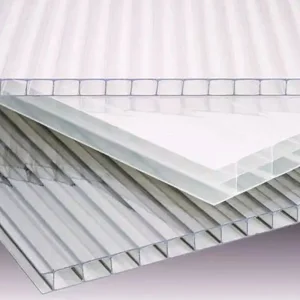
Browse our selection of specialized building materials, including stainless steel coils, pre-engineered profiles, and protective cladding panels.