BLS Structural Steel
BLS Structural Steel
BLS Structural Steel
Explore our foundational structural components. From heavy-duty engineering thermoplastics to reinforced structural steel arrays, we deliver verified durability.
A technical examination of how High-Density Polyethylene (HDPE) is revolutionizing infrastructure, mining, containment, and manufacturing landscapes worldwide.
The global high-density polyethylene sheet market continues to expand at a CAGR of 5.8%, driven by an urgent shift away from heavy metals in corrosive environments. As infrastructure projects demand lifespans exceeding 50 years, structural HDPE sheets serve as impermeable barriers, protective liners, and engineering substrates that mitigate long-term degradation.
Traditional structural systems are systematically integrating heavy-duty polymer components. High-Density Polyethylene provides extreme impact strength, zero water absorption, and complete chemical inertness. Industries are swapping concrete and steel components with engineered HDPE structures to drastically lower logistical weights, reduce corrosion management costs, and ensure zero-leak operations.
The transition toward circular economies places HDPE at the forefront of sustainable procurement. Highly recyclable and free from toxic plasticizers, advanced HDPE sheet grades allow engineering contractors to meet rigid LEED, BREEAM, and international environmental regulations while maintaining uncompromising mechanical performance.
How Handan BLS Structural Steel Co., Ltd. blends legacy structural expertise with modern material engineering to deliver comprehensive industrial portfolios.
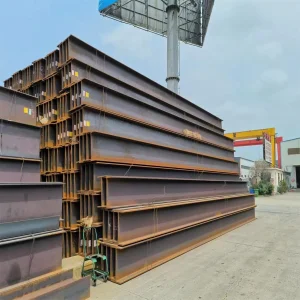
Handan BLS Structural Steel Co., Ltd. is a professional manufacturer and supplier specializing in structural steel products for construction and industrial applications. Located in Handan, Hebei Province—one of China’s important steel production centers—the company benefits from a strong industrial foundation and convenient transportation networks. The company operates modern production facilities covering a large manufacturing area equipped with advanced processing equipment for cutting, forming, welding, and surface treatment. With well-organized workshops and efficient logistics management, Handan BLS Structural Steel provides reliable steel materials that meet the demands of infrastructure, commercial buildings, and industrial projects.
By leveraging its decades-old foundation in heavy construction and industrial raw materials, the company has realized a natural technical synergy: integrating ultra-durable engineering plastics like HDPE sheets with steel structural frame frameworks. This integration allows engineering buyers to source comprehensive material packages—coordinating heavy steel load-bearing structures with custom-machined plastic wear plates, liners, and shielding components from a single, verified production entity.
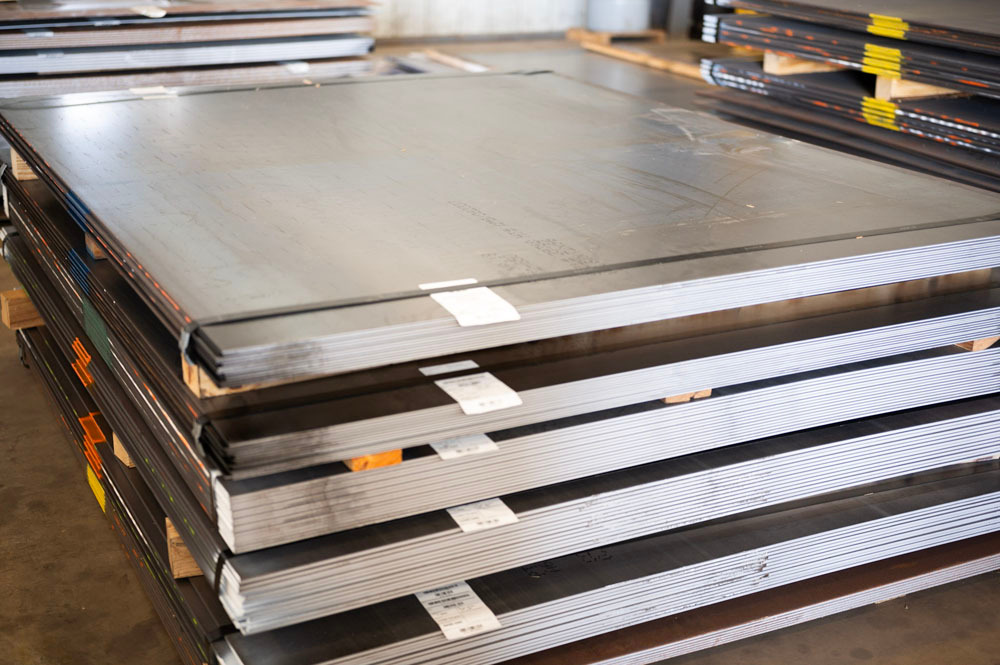
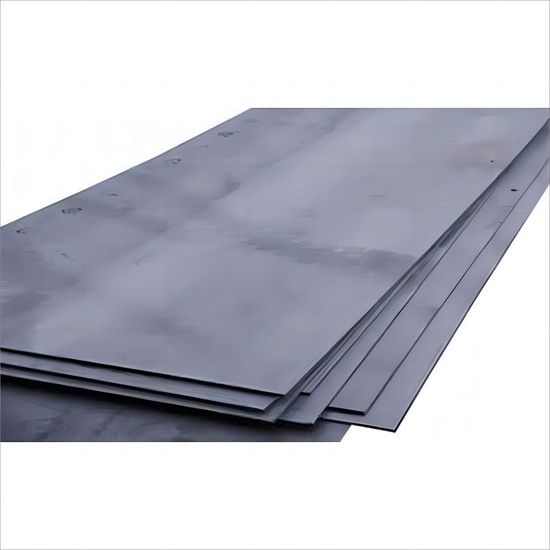
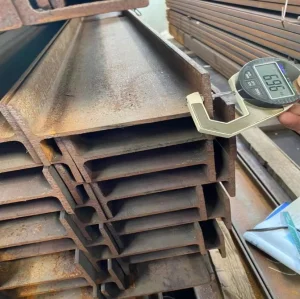
The company employs a skilled workforce including experienced engineers, technical specialists, quality inspectors, and production staff who work together to maintain strict quality standards. Through continuous training and technical development, the team ensures that every stage of production—from raw material selection to final inspection—meets industry requirements. Handan BLS Structural Steel focuses on delivering durable and precisely manufactured structural steel materials widely used in steel buildings, bridges, machinery manufacturing, and large construction projects. The company emphasizes efficiency, safety, and product reliability to support clients in completing projects successfully.
Under our strict quality-assurance methodologies, our HDPE manufacturing branch implements state-of-the-art flat-die extrusion lines and compression molding systems. Raw materials are strictly screened for density, molecular weight distribution, and contamination. Every batch of sheets undergoes physical testing, ensuring that nominal dimensional tolerances are strictly managed to facilitate flawless site installation.
Since its establishment, Handan BLS Structural Steel Co., Ltd. has steadily expanded its manufacturing capacity and product portfolio to meet the growing demand of domestic and international markets. Over the years, the company has built long-term partnerships with contractors, distributors, and engineering companies. Guided by the principles of quality, integrity, and innovation, Handan BLS Structural Steel continues to improve its production capabilities and service system, aiming to become a trusted supplier of structural steel products and contribute to the development of modern infrastructure worldwide.
A deep dive into polymer structure, manufacturing technologies, and technical classifications that govern the performance of HDPE.
High-Density Polyethylene is characterized by its high density-to-strength ratio, which results from the polymer chain structure. Unlike low-density polyethylene (LDPE), HDPE exhibits minimal branching, resulting in strong intermolecular forces and high crystalline organization. Under polymerization processes using Ziegler-Natta or metallocene catalysts, we synthesize resin matrices with densities ranging from 0.941 to 0.965 g/cm³. This level of crystallinity increases mechanical rigidity, chemical resistance, and thermal distortion parameters, allowing sheets to withstand high pressures and caustic chemical washdowns without micro-cracking.
We leverage two primary processing pathways: continuous flat-die sheet extrusion for thicknesses up to 30mm, and compression molding for heavy plates reaching up to 150mm. Extrusion ensures rapid lead times and superior surface consistency, ideal for liners and thermoforming. Compression molding reduces internal stress, guaranteeing dimensional stability for intricate CNC machining.
HDPE features a non-polar carbon-hydrogen backbone. It is resistant to acids (e.g., sulfuric, hydrochloric), alkaline solutions, and organic solvents. This makes it an ideal containment barrier for chemical processing plants, wastewater treatment basins, and heap leach pads in modern mining operations.
For outdoor infrastructure, we formulate HDPE resins with carbon black or specialized HALS (Hindered Amine Light Stabilizers). These additives absorb and dissipate ultraviolet radiation, preventing photo-oxidation, color fading, and brittleness. This ensures performance in harsh environments like open-pit mines or coastal marine decks.
How global industries apply HDPE sheets to resolve high-friction, highly corrosive, and high-load structural challenges.
In heavy mining and agriculture, high-volume friction degrades metal chutes and hoppers rapidly. Installing HDPE sheets with low coefficients of friction ensures continuous material flow and protects structural steel backings. This significantly reduces downtime associated with material hang-ups and clogging.
Landfills and industrial tailing ponds use HDPE sheets as primary containment barriers. High puncture resistance and low permeability prevent hazardous leachate from migrating into local groundwater systems, complying with environmental safety mandates.
Marine environments subject steel and wood structures to rot, borers, and salt corrosion. HDPE sheets serve as wear strips, pile wraps, and dock bumpers. They resist biological growth and withstand structural impacts from docking vessels without degrading.
Fabricators utilize thermoformable HDPE sheets to weld customized chemical storage vessels, scrubbers, and ducting systems. The material's high weldability allows for secure joints that maintain structural integrity even under constant chemical exposure.
Meeting FDA and NSF guidelines, food-grade HDPE sheets provide clean, non-porous surfaces for commercial cutting boards, food prep tables, and packaging lines. They resist absorption of liquids, odors, and bacteria, and tolerate high-pressure sanitizing cycles.
In modern industrial facilities, HDPE sheets are combined with structural steel frames. This configuration leverages the load-bearing capacity of steel alongside the chemical resistance and low-wear properties of polymers, optimizing material performance and cost.
A commitment to international standards, rigorous batch testing, and circular economy protocols.
Our HDPE sheets are manufactured in compliance with international testing frameworks. We measure tensile strength according to ASTM D638, flexural modulus under ASTM D790, and hardness according to ASTM D2240 (Shore D). This standardization ensures engineering teams receive predictable mechanical values for structural modeling and stress analysis.
Unlike suppliers who blend unsorted regrind, we prioritize trace-element transparency. We supply certified physical and chemical property sheets for every batch. This trace documentation ensures structural integrity, protecting applications from premature failure caused by internal stress or molecular voids.
We work to minimize the environmental footprint of our operations. Scrap generated during sheet trimming is re-pelletized and diverted to secondary industrial products. This closed-loop recycling method reduces waste output while supporting sustainable supply chains for global industrial markets.
Detailed technical answers addressing common challenges in procurement, design, and field installation of HDPE sheets.
HDPE has a thermal expansion coefficient of approximately 1.2 x 10^-4 K^-1, which is higher than that of structural steel. When fastening HDPE sheets to steel frames, we recommend using slotted mounting holes rather than tight-tolerance round holes. Countersunk shoulders or shoulder screws should not be overtightened, allowing the polymer plate to slide relative to the steel substructure. This prevents buckling or joint shearing during thermal cycles.
Extruded HDPE is produced by continuously forcing molten resin through a flat die, which introduces a slight molecular orientation along the machine direction. It is cost-effective for standard dimensions and thinner gauges. Compression molded HDPE is formed by melting resin blocks under pressure within a mold, resulting in a isotropic molecular structure with minimal internal stress. This makes compression-molded plates ideal for complex CNC routing, milling, and tight-tolerance machining without the risk of warping.
Because HDPE has a low surface energy (typically around 31 mN/m) and high chemical inertness, standard industrial adhesives and solvent glues struggle to form a strong bond. For structural applications, jointing is typically achieved using mechanical fastening or thermal welding (hot-gas welding, extrusion welding, or butt fusion). If adhesives must be used, the surface must first undergo corona discharge treatment, flame treatment, or application of specialized primers to raise surface tension prior to bonding.
Untreated HDPE degrades when exposed to UV radiation, leading to free-radical generation and mechanical brittleness. To prevent this, our outdoor-grade HDPE sheets incorporate 2% to 3% carbon black or specialized HALS. These formulations block UV wavelengths, protecting the polymer matrix and extending the service life of outdoor sheets to 10–20+ years, even in high-solar environments.
Our quality control department tests every production run. We perform ultrasonic thickness scans to check dimensional tolerances across the sheet's width. We also conduct density checks according to ISO 1183, melt flow index (MFI) analysis to verify processing stability, and mechanical tests (including tensile and impact tests) to ensure compliance with ASTM standards before shipment.
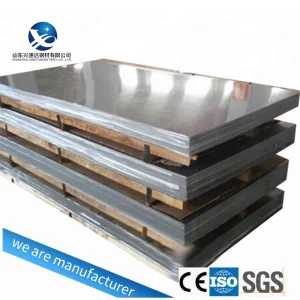
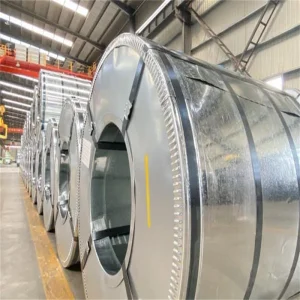
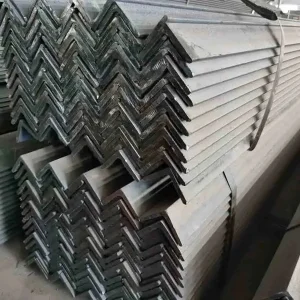
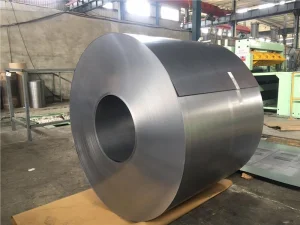
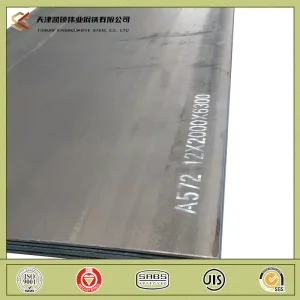
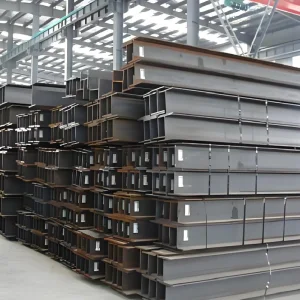
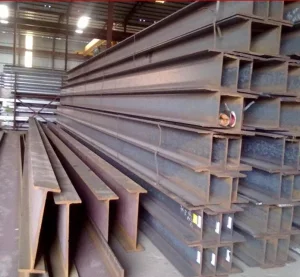
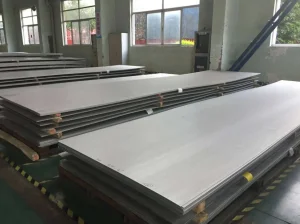
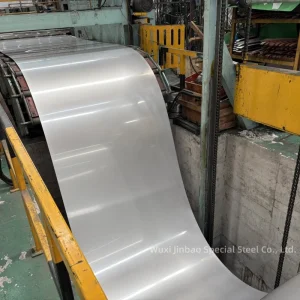
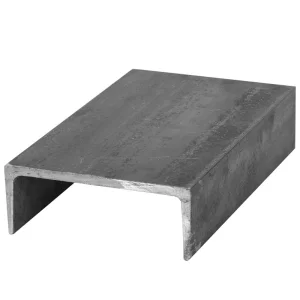
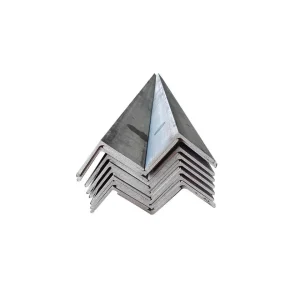
Complete your design with our high-grade steel profiles and specialized alloy sheets, engineered to provide structural support for heavy-duty polymer applications.