BLS Structural Steel
BLS Structural Steel
BLS Structural Steel
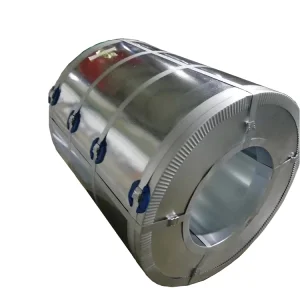
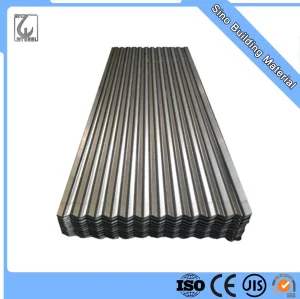
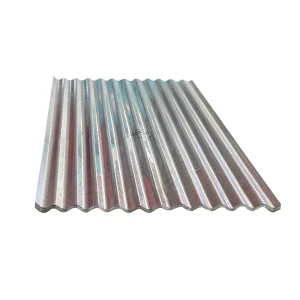
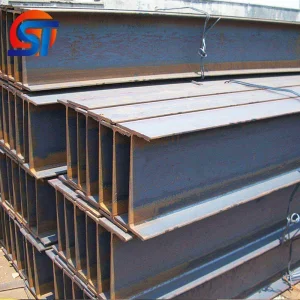
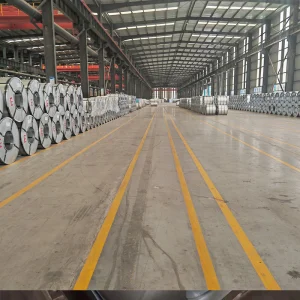
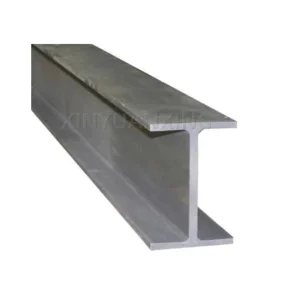
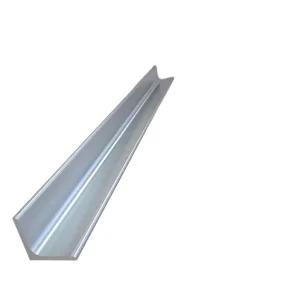
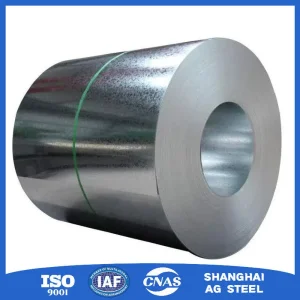
In the modern landscape of heavy industry, structural engineering, and petrochemical processing, the performance requirements for materials have transcended standard carbon and simple stainless steels. The global commercial market is increasingly driven by extreme-environment applications—subsea extraction, high-temperature thermal conversion, aerospace propulsion, and aggressive chemical processing. At the core of these demanding technologies lies the utilization of high-nickel alloys. As leading manufacturing hubs adapt, China has emerged as a premier focal point for the volume production and micro-metallurgical control of Nickel Alloy Plates.
This white paper provides B2B procurement managers, technical directors, and EPC (Engineering, Procurement, and Construction) contractors with a comprehensive analysis of China's nickel alloy manufacturing capabilities, technological advancements, global compliance landscapes, and materials science dynamics. In conjunction with our industrial foundations at Handan BLS Structural Steel Co., Ltd., we present the technical frameworks necessary to make informed engineering Decisions when sourcing premium alloy systems.
Nickel alloy plate production is governed by a strict control of chemical composition and heat treatment profiles. The addition of alloying elements such as Chromium, Molybdenum, Iron, Copper, and Cobalt alters the lattice structure of nickel, creating solutions that resist creep, oxidation, and localized pitting under severe stresses. Below, we break down the primary alloy families engineered within specialized Chinese fabrication facilities:
Nickel-Chromium bases (e.g., Inconel 600, 625, 718) designed for exceptional strength and oxidation resistance at temperatures reaching 1000°C. Essential for gas turbine components and high-temp furnaces.
Nickel-Molybdenum-Chromium systems (e.g., Hastelloy C-276, C-22) optimizing resistance to reducing and oxidizing acids, wet chlorine gas, and localized pitting in flue gas desulfurization systems.
Nickel-Copper solutions characterized by high resistance to marine corrosion, hydrofluoric acid, and sulfuric acid environments. Predominantly used in offshore drilling units and seawater applications.
The structural integrity of a nickel alloy plate relies on the precise phase balance of its microstructure. For instance, the precipitation hardening of Alloy 718 via niobium and titanium additions requires meticulous thermal profiling during the rolling and annealing stages. Modern manufacturing plants in China utilize Vacuum Induction Melting (VIM) followed by Electroslag Remelting (ESR) processes to guarantee ultra-low inclusion levels and exceptionally homogeneous chemical compositions across thick sections.
| Grade Standard | Common Brand Name | Ni Content (%) | Cr Content (%) | Mo / Cu Content (%) | Primary Industrial Application |
|---|---|---|---|---|---|
| UNS N06625 | Inconel 625 | Bal. (58 min) | 20.0 - 23.0 | 8.0 - 10.0 Mo | Offshore oil extraction, aerospace exhaust ducts |
| UNS N10276 | Hastelloy C-276 | Bal. (57 min) | 14.5 - 16.5 | 15.0 - 17.0 Mo | Chemical reactors, flue gas desulfurization (FGD) |
| UNS N04400 | Monel 400 | 63.0 min | - | 28.0 - 34.0 Cu | Marine propeller shafts, boiler feedwater heaters |
| UNS N08825 | Incoloy 825 | 38.0 - 46.0 | 19.5 - 23.5 | 2.5 - 3.5 Mo | Acid production pipelines, radioactive waste containers |
The global logistics chain for industrial metal alloys has shifted dynamically over the past decade. Historically, European and North American mills controlled the majority share of advanced structural steel and superalloy supply. However, the maturation of Chinese metallurgical engineering, supported by massive infrastructure investments in regions like Hebei, Shandong, and Jiangsu, has repositioned China as a major force in high-grade nickel production.
By utilizing state-of-the-art smelting and rolling technology, Chinese factories supply domestic megaprojects (such as supercritical coal plants, advanced LNG carriers, and massive desalination systems) while providing international buyers with highly competitive pricing structures. The geographical centralization of steel and specialty alloy production centers—with cities like Handan acting as critical industrial nexuses—enables highly efficient downstream processing including custom thermal treatment, complex profiling, and direct ocean export routes.
Handan BLS Structural Steel Co., Ltd. is a professional manufacturer and supplier specializing in structural steel products for construction and industrial applications. Located in Handan, Hebei Province—one of China’s important steel production centers—the company benefits from a strong industrial foundation and convenient transportation networks. The company operates modern production facilities covering a large manufacturing area equipped with advanced processing equipment for cutting, forming, welding, and surface treatment. With well-organized workshops and efficient logistics management, Handan BLS Structural Steel provides reliable steel materials that meet the demands of infrastructure, commercial buildings, and industrial projects.
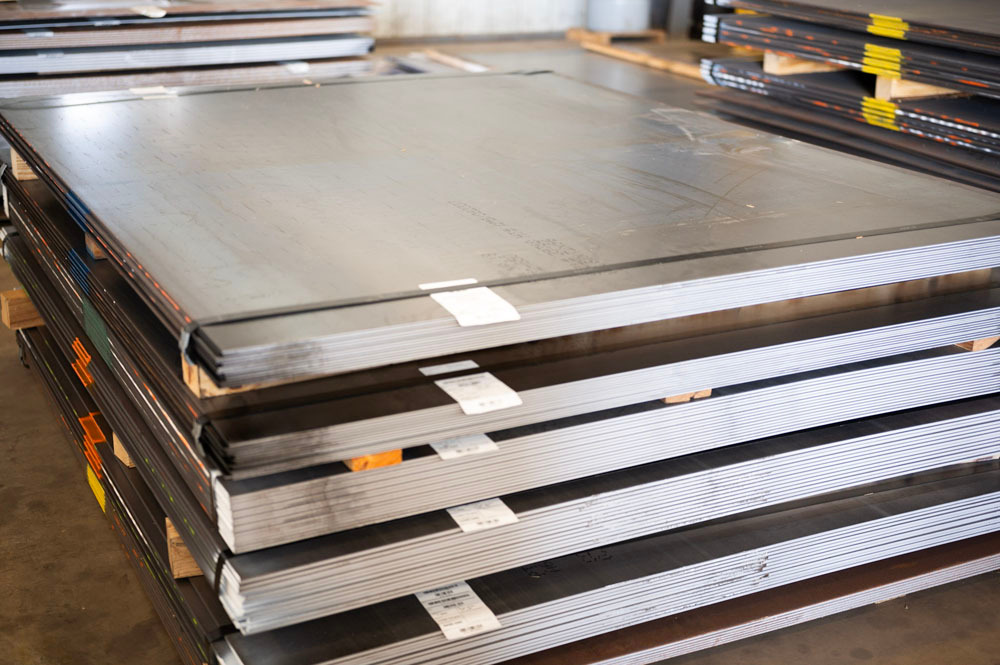
The company employs a skilled workforce including experienced engineers, technical specialists, quality inspectors, and production staff who work together to maintain strict quality standards. Through continuous training and technical development, the team ensures that every stage of production—from raw material selection to final inspection—meets industry requirements. Handan BLS Structural Steel focuses on delivering durable and precisely manufactured structural steel materials widely used in steel buildings, bridges, machinery manufacturing, and large construction projects. The company emphasizes efficiency, safety, and product reliability to support clients in completing projects successfully.
Since its establishment, Handan BLS Structural Steel Co., Ltd. has steadily expanded its manufacturing capacity and product portfolio to meet the growing demand of domestic and international markets. Over the years, the company has built long-term partnerships with contractors, distributors, and engineering companies. Guided by the principles of quality, integrity, and innovation, Handan BLS Structural Steel continues to improve its production capabilities and service system, aiming to become a trusted supplier of structural steel products and contribute to the development of modern infrastructure worldwide.
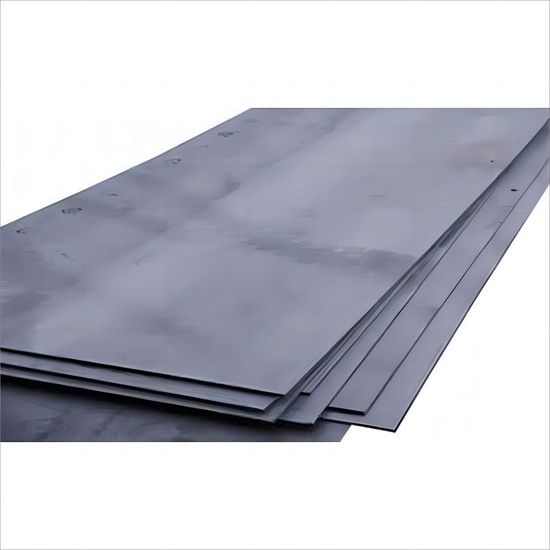
Sourcing raw nickel alloy plates is only the first step. For these advanced materials to be functional in subsea valves, industrial heat exchangers, or petrochemical distillation columns, they must undergo high-precision secondary fabrication. Specialized Chinese processing centers have expanded their capabilities to match strict international design mandates:
Due to their high work-hardening rates, nickel alloys are notoriously difficult to cut using traditional mechanical methods. Advanced factories deploy high-capacity CNC fiber laser systems for thin sheet dimensions and Ultra-High-Pressure (UHP) dynamic waterjet systems for plate thicknesses exceeding 100mm. Waterjet cutting ensures a zero heat-affected zone (HAZ), preserving the mechanical properties and metallurgical structure of the alloy edges prior to structural welding.
Heavy industrial vessels require cylindrical and spherical shell components rolled from thick nickel-based plates. Utilizing massive multi-roll bending systems with electronic deflection compensation, manufacturers can cold-roll plates up to 80mm thick, or hot-roll heavier structures when mechanical deformation limits are met, keeping structural ovality and wall thinning parameters well within ASME Section VIII tolerances.
Welding nickel alloy plates demands clean environments and highly trained personnel to avoid issues like hot cracking. Standard processes include Gas Tungsten Arc Welding (GTAW/TIG), Gas Metal Arc Welding (GMAW/MIG), and Submerged Arc Welding (SAW) using matching filler wires (e.g., ERNiCrMo-3 for Alloy 625). Additionally, explosive cladding or weld overlay cladding techniques are used to fuse thin nickel alloy sheets onto thick carbon steel plates, providing a cost-effective corrosion barrier for large structural vessels.
For global engineering firms, materials reliability is non-negotiable. Quality systems within China's top alloy mills align with international certification bodies to ensure complete documentation and transparency. Sourcing programs are backed by the following testing and verification methods:
Ultrasonic Testing (UT) per ASTM A578/A578M guarantees the absence of internal voids, laminations, and micro-fissures. Radiographic Testing (RT) is applied to verify weld seam integrity.
Optical Emission Spectroscopy (OES) and Inductively Coupled Plasma (ICP) analysis verify composition, ensuring trace elements like sulfur, phosphorus, and lead remain within strict limits.
ASTM G48 testing determines the critical pitting and crevice corrosion temperature of alloys, validating their performance in harsh chloride and acidic environments.
Regulatory Compliance Safeguards: Every shipment of nickel alloy plates is accompanied by a certified Mill Test Report (MTR) according to EN 10204 Type 3.1 or 3.2. Materials are produced in compliance with global standards, including ASME BPVC, ASTM, EN, DIN, JIS, and NACE MR0175/ISO 15156 for sour gas environments.
As the world transitions toward cleaner energy and high-efficiency systems, nickel alloy plates are seeing new requirements. Modern processing facilities are focusing technical development on the following sectors:
1. Green Hydrogen Infrastructure: High-pressure electrolyzers operating in alkaline or acidic conditions require ultra-pure nickel plates and sheets with thin cross-sections. This demand is driving research into advanced cold-rolling processes for nickel foils.
2. Supercritical CO2 (sCO2) Power Cycles: Next-generation power blocks utilizing sCO2 as a working fluid operate under high pressure and temperature. This requires thick-section nickel superalloys (such as Inconel 740H) that offer superior creep strength.
3. Additive Manufacturing Substrates: Heavy-gauge plates serve as crucial build platforms for high-temperature metal 3D printing (LPBF). These plates must remain thermally stable during repeated heating and cooling cycles.
ASTM (American Society for Testing and Materials) standards define the material's chemical composition, physical properties, and testing methods (e.g., ASTM B443 for Inconel 625 plate). ASME (American Society of Mechanical Engineers) standards adapt these materials for pressurized systems (e.g., SB-443). The ASME designation ensures the material has been vetted for use under the pressure vessel codes.
Solid nickel alloy plates provide uniform corrosion resistance throughout the entire thickness, making them suitable for complex machining or highly corrosive processes. Clad plates (e.g., nickel alloy clad to carbon steel) offer a cost-effective alternative for large vessels, providing the corrosion protection of nickel on the surface while utilizing cheaper carbon steel for structural strength.
This standard specifies requirements for materials used in H2S-containing (sour) environments in oil and gas production. It defines limits for hardness, heat treatment, and chemical composition to prevent Sulfide Stress Cracking (SSC) and Stress Corrosion Cracking (SCC) in downhole and surface equipment.
Transit protection is vital. Corrosion-resistant alloys can still suffer surface contamination from iron dust or saltwater residues, which can lead to localized crevice corrosion. Modern packing methods include vacuum sealing, using vapor-corrosion-inhibiting (VCI) papers, and transport on wooden skids lined with non-metallic barriers to prevent contact with carbon steel.
At a minimum, the facility should hold ISO 9001:2015 for quality management, ISO 14001:2015 for environmental management, ISO 45001:2018 for occupational health and safety, PED (Pressure Equipment Directive) certification for European markets, and class society certifications (such as DNV, ABS, or LR) for marine applications.