BLS Structural Steel
BLS Structural Steel
BLS Structural Steel
Direct supply from Hebei's leading manufacturing hub, engineered to meet strict international standards.
Analyzing global market shifts, material performance indices, and strategic supplier coordination.
In the current era of industrial engineering and architectural design, high-performance structural systems rely heavily on a combination of robust metallic frames and lightweight, chemically resistant polymer barriers. Understanding the procurement and manufacturing dynamics of the leading China wholesale plastic sheet manufacturers and factories is crucial for global EPC contractors, industrial designers, and raw material distributors.
Modern construction projects no longer rely solely on legacy building materials. Instead, they leverage the synergy of advanced metallurgical elements, such as hot-rolled steel channels and stainless steel plates, alongside engineering plastic sheets like polycarbonate (PC), acrylic (PMMA), polyvinyl chloride (PVC), and high-density polyethylene (HDPE). This structural integration yields building envelopes with superior insulation, high structural integrity, seismic flexibility, and long-term durability against extreme environmental degradation.
Annual Growth in Composite Structural Glass & Plastics
Weight Reduction Compared to Solid Plate Glass
UV Protection with Co-extrusion Technology
Strict Compliance & Quality Certifications
The global industrial sheet market is undergoing rapid evolution, driven by urbanization, commercial greenhouse expansion, and advanced industrial shielding requirements. Wholesale buyers focus on several major categories:
Highly valued for their impact strength (250 times that of regular glass) and high optical clarity, making them standard for skylights, safety shields, and structural glazing.
Extensively used in chemical storage tanks, logistics trays, and wear-resistant liners due to exceptional chemical resistance and low moisture absorption.
Acrylic provides high transparency for signage and optical barriers, while rigid and flexible PVC sheets offer flame-retardant structural options for indoor wall cladding.
The manufacturing sector in China has modernized to meet these demands by integrating high-throughput extrusion lines, automated thickness monitoring sensors, and precision cooling units. Advanced co-extrusion technology allows Chinese factories to apply thin, concentrated layers of UV inhibitors to polycarbonate and acrylic sheets, extending their operational lifespan in high-radiation regions like the Middle East and Australia.
Handan BLS Structural Steel Co., Ltd. is a professional manufacturer and supplier specializing in structural steel products for construction and industrial applications. Located in Handan, Hebei Province—one of China’s important steel production centers—the company benefits from a strong industrial foundation and convenient transportation networks.
The company operates modern production facilities covering a large manufacturing area equipped with advanced processing equipment for cutting, forming, welding, and surface treatment. With well-organized workshops and efficient logistics management, Handan BLS Structural Steel provides reliable materials that meet the demands of infrastructure, commercial buildings, and industrial projects.
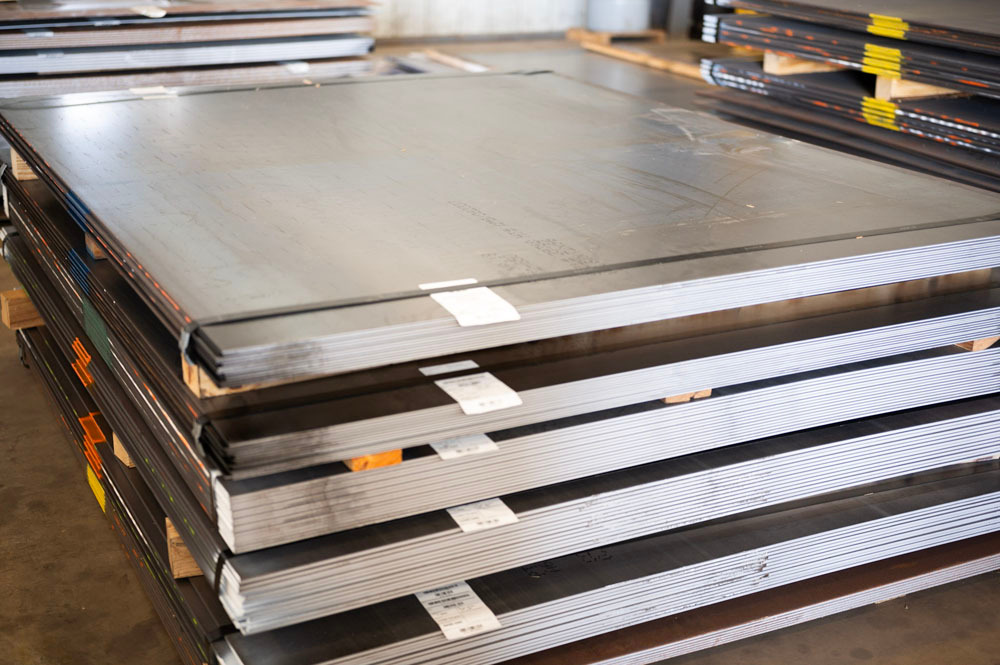
The company employs a skilled workforce including experienced engineers, technical specialists, quality inspectors, and production staff who work together to maintain strict quality standards. Through continuous training and technical development, the team ensures that every stage of production—from raw material selection to final inspection—meets industry requirements.
Since its establishment, Handan BLS Structural Steel Co., Ltd. has steadily expanded its manufacturing capacity and product portfolio to meet the growing demand of domestic and international markets. Over the years, the company has built long-term partnerships with contractors, distributors, and engineering companies. Guided by the principles of quality, integrity, and innovation, Handan BLS Structural Steel continues to improve its production capabilities and service system, aiming to become a trusted supplier of structural steel products and contribute to the development of modern infrastructure worldwide.
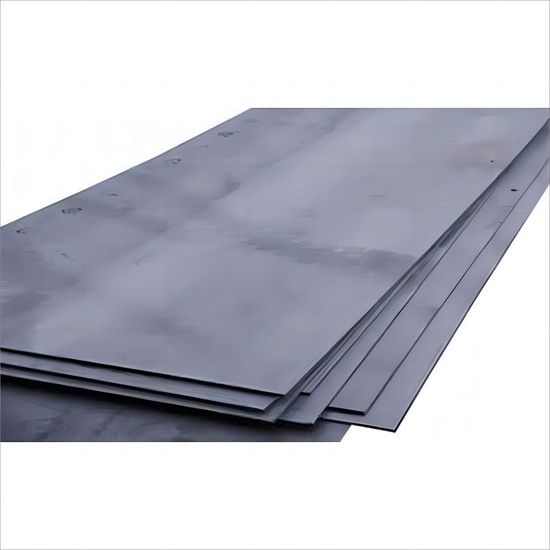
For project managers coordinating civil engineering or logistics works, selecting the proper grade of sheeting is highly critical. Below is a comparative technical matrix mapping typical engineering sheets, including polymer variants and metallurgical products like the SPCC cold-rolled and stainless steel plates manufactured by Handan BLS.
| Material Class | Common Standard Reference | Thickness Range | Tensile / Flexural Strength | Primary Industrial Use Case |
|---|---|---|---|---|
| Polycarbonate (PC) Sheet | ASTM D3935 / EN 16240 | 1.2mm – 20mm | 65 - 70 MPa | Industrial Glazing, Skylights, Machine Guards |
| Rigid Polyvinyl Chloride (PVC) | ASTM D1784 / ISO 1163 | 1.0mm – 30mm | 50 - 60 MPa | Chemical Tanks, Electrical Conduit Liners |
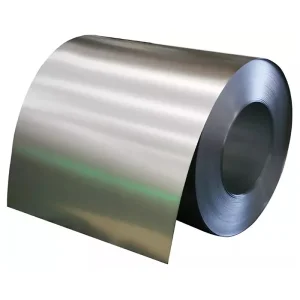
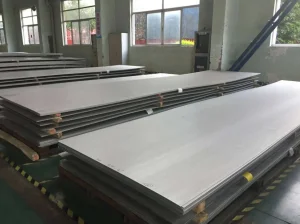
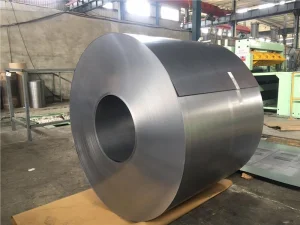
| Cold-Rolled Carbon Steel | JIS G3141 SPCC / DC01 | 0.5mm – 4.0mm | 270 - 410 MPa | Automotive Bodies, Outer Shell Enclosures |
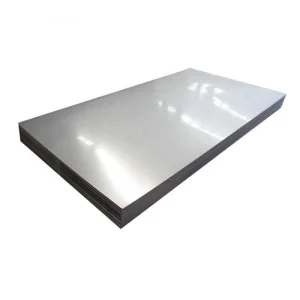
| High-Silicon Stainless Steel | ASME B31.3 / UNS S38815 | 2.0mm – 25mm | ≥ 550 MPa | Corrosive Chemical Lines, Acid Processing |
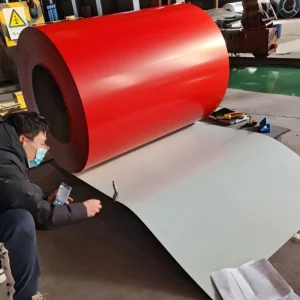
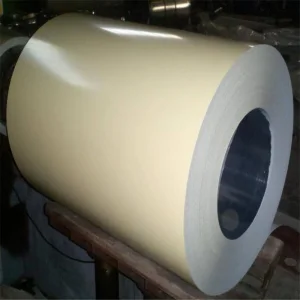
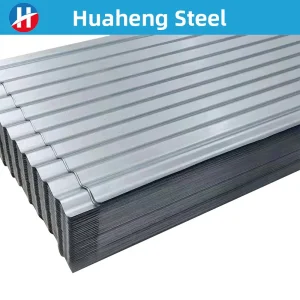
| Aluzinc Roofing Sheet | ASTM A792 / G550 | 0.15mm – 1.2mm | 550 MPa | Industrial Roof Tiles, Cladding Panels |
One of the key trends in modern infrastructure projects is the hybridization of structure and skin. Steel and polymer components work together to optimize weight, strength, cost, and insulation:
This integrated approach helps structural engineers design facilities with low lifecycle costs, rapid erection schedules, and high environmental resistance.
Navigating international trade laws and quality standards is critical when sourcing from China. Reliable manufacturers implement strict verification protocols, ensuring all delivered structural and polymer materials meet target market standards:
All metallurgy products comply with EN 10204 3.1 certification, verifying mechanical properties, chemical composition, and heat numbers.
Polymer sheets undergo ASTM G154 accelerated weathering testing, checking color fastness and physical property retention under UV radiation.
Automatic laser measurement systems verify thickness, width, and flatness tolerances on all cold-rolled and extruded sheets, preventing variations during construction.
The sheet manufacturing sector is moving toward greener and smarter technologies:
A: Untreated polycarbonate degrades quickly under direct sunlight, yellowing and becoming brittle. High-quality factories co-extrude a 50-micron UV barrier that filters 99% of harmful ultraviolet radiation, maintaining clarity and impact strength for over 10 years in outdoor conditions.
A: SPCC (Cold-Rolled Commercial Steel) has a smooth surface finish and tight thickness tolerance, ideal for indoor panels or components requiring painting. Galvanized sheets have a protective zinc coating that provides corrosion resistance, making them suitable for outdoor roofing and cladding panels.
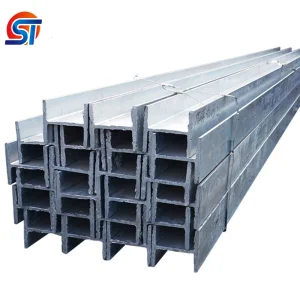
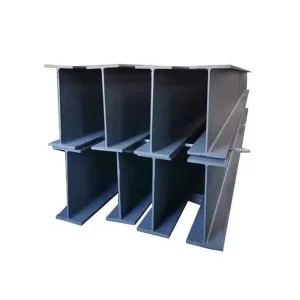
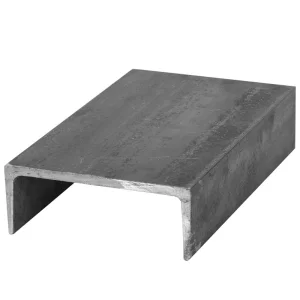
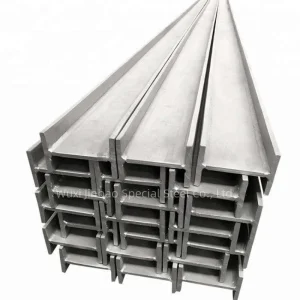
A: Engineering plastics like polycarbonate or HDPE can replace glass panels, wear liners, and secondary enclosures, reducing weight. However, they do not replace main load-bearing elements like H-Beams or U-Channels, which require the high tensile and structural strength of carbon steel.
A: ASME Standard materials, like UNS S38815 high-silicon stainless steel, undergo destructive and non-destructive testing (NDT), including ultrasonic inspections, hydrostatic tests, and chemical spectrometry. This guarantees compliance with industrial piping codes (ASME B31.3) and pressure vessel requirements.
Premium coils, plates, structural components, and prepainted roofing sheets for global commercial projects.