BLS Structural Steel
BLS Structural Steel
BLS Structural Steel
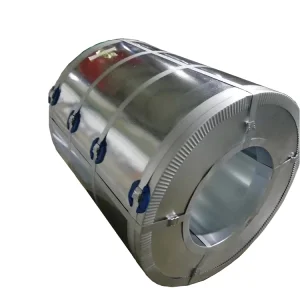
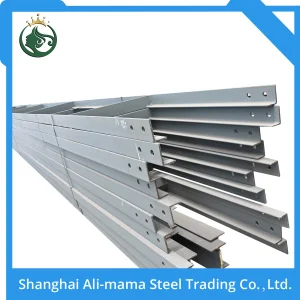
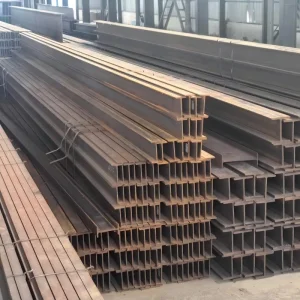
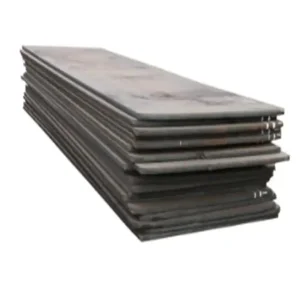
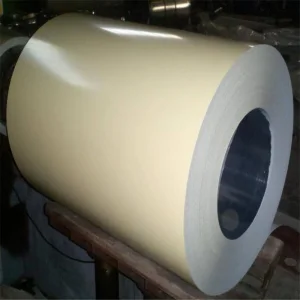
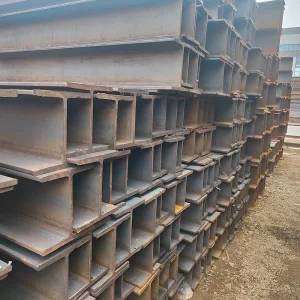
Polypropylene (PP) sheets represent one of the most versatile thermoplastic materials in modern industrial engineering. Characterized by low density (approximately 0.91 g/cm³), exceptional chemical inertness, high fatigue resistance, and remarkable thermal tolerance, PP sheets are vital for structural fabrication, chemical containment, packaging, and concrete construction environments. As a premier Custom OEM PP Sheet Manufacturer & Supplier, we bridges the gap between raw polymer engineering and heavy-duty industrial application needs.
When procurement officers, structural designers, and QA engineers search for PP sheet manufacturers, their intent goes beyond a basic catalog lookup. They require precise engineering data, guarantee of raw polymer purity, compliance certifications (such as FDA, REACH, RoHS), and dynamic OEM capability. In typical heavy industries, PP sheets serve as the chemical protection barrier, lining massive concrete or structural steel vats to prevent corrosion. The structural steel framing (like our structural IPE or H-beams) provides the load-bearing skeleton, while custom-machined PP sheets form the impermeable interface holding acidic, alkaline, or organic waste fluids.
SEO Insight & Information Gain: Not all PP sheets are created equal. Copolymer Polypropylene (PP-C) provides enhanced impact strength at low temperatures (down to -20°C), making it suitable for dynamic structural components, whereas Homopolymer Polypropylene (PP-H) exhibits superior rigidity and chemical resistance at elevated temperatures (up to 100°C), making it the primary choice for hot-process chemical tanks and industrial ductwork.
Offering custom thicknesses from 1mm up to 100mm. Extrusion width up to 2000mm, with custom length profiles tailored directly to structural blueprints. Tolerance is tightly controlled within ±0.1mm using online laser sensors.
Tailoring polymer compound ratios for specific demands: UV-stabilization for outdoor exposures, flame-retardant additives (UL94 V-0 class), anti-static formulation for electronics cleanrooms, or glass-fiber reinforcements for superior tensile modules.
Post-extrusion routing, drilling, thermoforming, and hot gas welding. We deliver not just raw flat sheets, but custom-cut panels, interlocking profiles, and pre-fabricated tank liners to ensure quick site installation.
China is globally recognized as the powerhouse of polymer processing and industrial metallurgy. Specifically, regions with strong industrial foundations, like Hebei Province (where Handan sits as a major metallurgical and industrial base), offer unparalleled advantages in terms of supply chain integration, raw monomer access, and energy efficiency. By sourcing from a Chinese OEM PP sheet manufacturer, global enterprises leverage these unique structural strengths:
Our direct access to world-class petrochemical refining plants guarantees a steady supply of high-grade virgin polypropylene resins. Unlike western manufacturers that often rely on imported resins subject to high shipping costs and tariff volatilities, Chinese producers can optimize their feedstock supply chains. This localized sourcing ensures that production runs are never delayed due to polymer resin shortages, enabling stable pricing models for long-term contract procurement.
Modern Chinese extrusion facilities utilize high-torque, multi-screw extrusion lines with automated gravimetric feeding systems. These advanced systems ensure color consistency, eliminate internal voids or structural stresses within the sheet, and maintain high throughput. The efficiency of operating continuous, large-scale production runs translates directly to lower per-kilogram costs for global buyers, without compromising on molecular weight distribution or raw tensile capacity.
In massive civil engineering project layouts—such as municipal wastewater treatment reservoirs, deep-foundation retaining walls, or industrial acid washing bays—materials are never used in isolation. Project engineers require structural steel framework to resist massive geological and hydrostatic loads, and plastic barrier linings to protect the metal and concrete from chemical corrosion. Because our industrial group operates heavily in structural steel products (such as H-beams, steel plates, and purlins), we provide unique hybrid technical consulting. We design how the custom OEM PP sheets anchor to structural steel frames, eliminating compatibility issues and reducing procurement coordination overhead.
Industrial PP sheets are deployed across highly demanding industrial environments globally. Custom OEM formulations change depending on the targeted environment:
In chemical production, PP sheets are the primary material for constructing plating tanks, pickling tanks, scrubbers, and exhaust ventilation hoods. The high chemical resistance to strong mineral acids (like hydrochloric and sulfuric acids) and alkaline cleaning fluids prevents premature degradation. For these applications, we supply Homopolymer PP sheets optimized for high chemical resistance and thermal integrity, ensuring operations remain leak-free over multi-decade cycles.
The construction sector relies on PP sheets as reusable concrete formwork panels. Known for their high impact resistance, smooth finish, and zero concrete adhesion, PP formworks can be reused over 50 to 80 times, far exceeding traditional plywood formwork. They resist water, rain, and cement chemistry, dramatically lowering the overall carbon footprint of infrastructure projects.
Electrostatic discharge (ESD) can destroy delicate microprocessors during assembly. Specially modified anti-static PP sheets are utilized in semiconductor cleanrooms for wall panels, machine enclosures, and tool racks. These custom sheets have surface resistivities ranging from 106 to 109 ohms, preventing static accumulation while remaining easy to sanitize with aggressive cleaning solutions.
To reduce vehicle weight and improve fuel efficiency, car manufacturers utilize copolymer PP sheets for wheel well liners, battery housings, and underbody shields. Copolymer configurations ensure that these components do not shatter under high-velocity stone impacts or during sub-zero winter temperatures.
Procuring raw OEM PP sheets on a global scale demands strict verification of physical and chemical properties. To support procurement managers in standardizing their supplier quality verification (SQV) protocols, we adhere to international testing standards and maintain documentation across these critical areas:
Quality Assurance Tip: During factory audits, always demand the density test report. Low-cost manufacturers often mix calcium carbonate (CaCO₃) fillers into the resin to increase weight while lowering production cost. This increases the density of the sheet above 0.95 g/cm³, severely degrading chemical resistance, decreasing weldability, and making the material brittle.
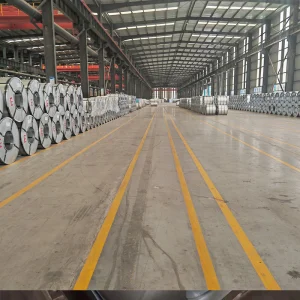
Handan BLS Structural Steel Co., Ltd. is a professional manufacturer and supplier specializing in structural steel products for construction and industrial applications. Located in Handan, Hebei Province—one of China’s important steel production centers—the company benefits from a strong industrial foundation and convenient transportation networks. The company operates modern production facilities covering a large manufacturing area equipped with advanced processing equipment for cutting, forming, welding, and surface treatment. With well-organized workshops and efficient logistics management, Handan BLS Structural Steel provides reliable steel materials that meet the demands of infrastructure, commercial buildings, and industrial projects.
The company employs a skilled workforce including experienced engineers, technical specialists, quality inspectors, and production staff who work together to maintain strict quality standards. Through continuous training and technical development, the team ensures that every stage of production—from raw material selection to final inspection—meets industry requirements. Handan BLS Structural Steel focuses on delivering durable and precisely manufactured structural steel materials widely used in steel buildings, bridges, machinery manufacturing, and large construction projects. The company emphasizes efficiency, safety, and product reliability to support clients in completing projects successfully.
Since its establishment, Handan BLS Structural Steel Co., Ltd. has steadily expanded its manufacturing capacity and product portfolio to meet the growing demand of domestic and international markets. Over the years, the company has built long-term partnerships with contractors, distributors, and engineering companies. Guided by the principles of quality, integrity, and innovation, Handan BLS Structural Steel continues to improve its production capabilities and service system, aiming to become a trusted supplier of structural steel products and contribute to the development of modern infrastructure worldwide.