BLS Structural Steel
BLS Structural Steel
BLS Structural Steel
The contemporary global industrial sector operates on a paradigm of structural efficiency, durability, and cost optimization. Polyvinyl Chloride (PVC) sheets have evolved far beyond basic plastic coverings; they are now engineered polymers critical to the construction, chemical, marine, and logistics industries. Rigid PVC sheets, structural foam boards, and chlorinated PVC (CPVC) materials represent a multi-billion dollar market globally. These materials are heavily demanded due to their unparalleled corrosion resistance, exceptional thermal insulation, light weight, and high impact strength.
In modern industrial design, PVC sheeting functions in tandem with structural steel support networks to build robust processing plants, cold-storage warehouses, and infrastructure. While the structural skeleton requires the load-bearing performance of high-tensile carbon steel, the envelope—walls, roofs, and chemical-containment linings—relies on PVC’s chemical inertia. This integration represents a major trend in global construction, solving traditional oxidation and decay challenges.
From an engineering perspective, the performance profile of Rigid PVC Sheets is defined by mechanical attributes such as tensile strength (ranging from 50 to 80 MPa), flexural modulus, and low water absorption rates (<0.1%). When deployed in heavy-industrial zones, these sheets act as vital barriers against aggressive chemical agents, acids, bases, and organic solvents. Consequently, they serve as the premier choice for chemical tank linings, fume scrubbers, and industrial wastewater treatment infrastructure.
By leveraging this extensive manufacturing footprint in Hebei, we have expanded our capacity to offer synergized building solutions. The combination of structural steel shapes and high-density, weather-resistant PVC sheets allows us to ship integrated walling, roofing, and structural solutions directly from our unified factory lines to overseas construction projects, ensuring structural precision and reducing on-site installation labor costs.
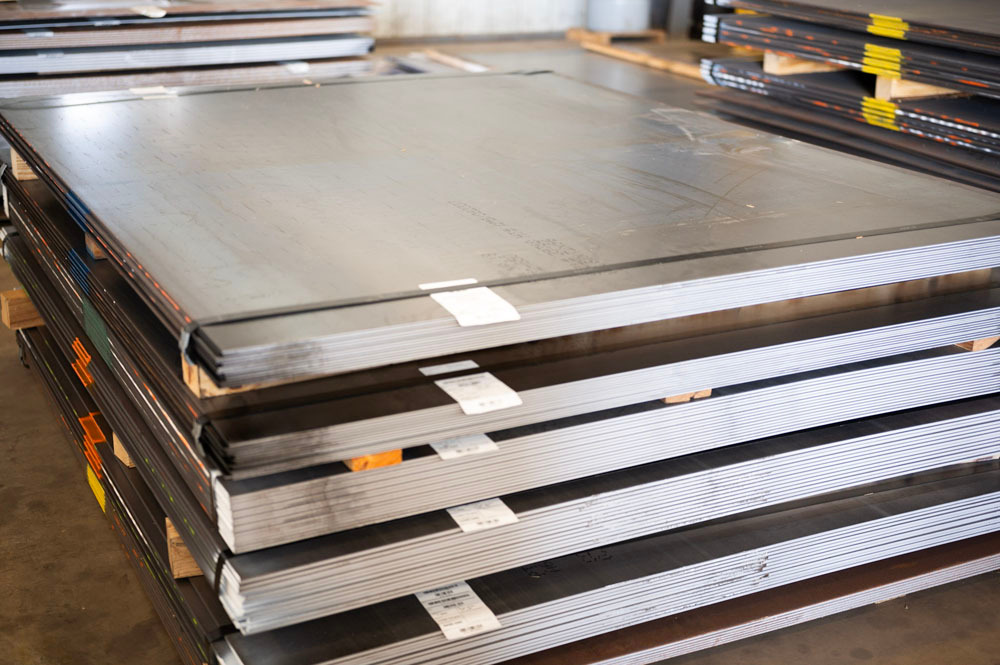
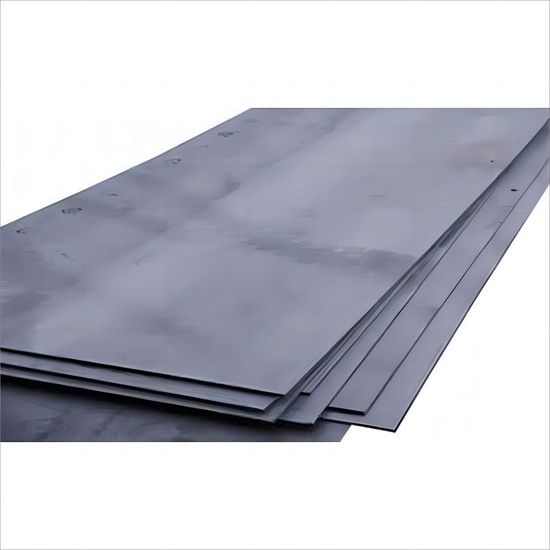
Our engineering-focused team is uniquely qualified to evaluate the compatibility between steel structural frames and plastic enclosures. This dual expertise in structural materials and advanced PVC chemistry guarantees that thermal expansion differentials, load ratings, and chemical exposure risks are fully calculated before manufacturing begins.
The dominance of China’s PVC sheet manufacturing sector is rooted in an optimized supply chain and massive integration of upstream raw material production. By aligning raw vinyl resin manufacturing with advanced extrusion technologies, Chinese factories minimize chemical transportation overhead and ensure exceptional compound stability. High-throughput co-extrusion and calender lines operate continuously, leveraging automated raw material feeding, computer-monitored gauge control, and inline defect detection.
At Handan BLS, our manufacturing lines integrate state-of-the-art Italian and German extrusion hardware, designed to produce heavy-gauge rigid PVC panels up to 30mm thick, along with thin high-clarity sheets. Continuous extrusion processes ensure molecular alignment within the PVC polymer matrix, improving overall tensile strength and impact resistance. This structural integrity makes these sheets ideal for applications demanding longevity and structural performance.
Multi-layer manufacturing that embeds UV-blocking additives into the surface layer, while maintaining a cost-efficient core to maximize physical protection and overall cost performance.
We tailor plasticizer and stabilizer ratios for specific end-use environments, offering chemical resistance, food-grade certifications, or enhanced low-temperature impact strength.
Laser and infrared sensors maintain consistent thickness tolerances across the width of the sheet, conforming to international standards including ASTM D1784 and ISO 1183.
Modern engineering projects demand composite systems. The integration of steel framing with PVC sheet paneling has become a cornerstone in specialized structural design. For instance, in chemical manufacturing facilities, standard concrete and exposed steel corrode rapidly due to acid fumes. By using our structural steel sections protected by heavy-duty rigid PVC sheets as interior wall cladding and chemical tank containment structures, operators can extend the lifespan of their facilities by decades.
In agricultural projects, such as commercial livestock and poultry housing, high ammonia levels present severe structural challenges. Incorporating galvanized C and H-beams along with anti-microbial, easy-to-clean PVC sheet walls provides a robust, hygienic system. This combination resists both structural loads and biogenic corrosion.
Additionally, in cold storage logistics hubs and industrial cleanrooms, the thermal properties of PVC sheets—often integrated with high-performance polyurethane insulation cores and framed with carbon steel structures—enable precise climate control. This design minimizes energy loss, ensuring high operational efficiency for cold chain operators globally.
For international buyers, sourcing industrial plastics and steel from China requires rigorous compliance structures. Our quality assurance framework is built upon E-E-A-T (Experience, Expertise, Authoritativeness, and Trustworthiness) principles. We supply comprehensive documentation and certification for every shipping container, ensuring seamless customs clearance and structural approval in the destination market.
Our quality verification processes include:
By coordinating production and shipping out of Handan’s massive industrial corridor, we offer containerized and optimized cargo configurations. Our logistics specialists package PVC sheets and structural steel elements together, using heavy-duty steel palettes and moisture-barrier film to prevent deformation or maritime damage during long-distance transits.