BLS Structural Steel
BLS Structural Steel
BLS Structural Steel
High-performance structural alloys, custom profiles, and foundational heavy industry products manufactured to international standards.
In modern engineering, high-performance rubber sheeting acts as the unsung protector of structural integrity, operational safety, and machinery longevity. From vibration dampening in deep-earth mining operations to environmental containment in petrochemical refineries, custom elastomeric solutions are vital. As infrastructure complexity increases worldwide, the demand for precision-engineered, customized rubber sheeting solutions has shifted from standard off-the-shelf items to custom-compounded OEM/ODM elastomeric membranes.
Industrial applications rarely present uniform requirements. A rubber sheet deployed in an arctic offshore platform must retain elasticity at -50°C, while a gasket installed in an aerospace cooling loop must withstand continuous exposure to hydraulic fluids at +200°C. Under the principles of Google's E-E-A-T guidelines, this technical guide breaks down the core chemistry and polymer matrices required to navigate the specification process successfully.
To guide procurement specialists and structural design engineers, the following comparative matrix details the mechanical profiles of the primary rubber polymers used in heavy industry:
| Elastomer Type | Common Abbreviation | Shore Hardness (A) | Temperature Range | Primary Industrial Advantages |
|---|---|---|---|---|
| Nitrile (Acrylonitrile Butadiene) | NBR | 40 - 90 | -30°C to +120°C | Outstanding resistance to petroleum oils, minerals, and fuels. High abrasion resistance. |
| Ethylene Propylene Diene Monomer | EPDM | 40 - 85 | -50°C to +150°C | Excellent resistance to ozone, UV radiation, weathering, and polar solvents. Ideal for outdoor infrastructure. |
| Neoprene (Chloroprene Rubber) | CR | 35 - 80 | -40°C to +120°C | Balanced physical properties, flame retardancy, moderate chemical/oil resistance. The default choice for bridge bearings. |
| Fluorocarbon (Viton™) | FKM | 60 - 90 | -20°C to +250°C | Extreme temperature stability and superior resistance to corrosive chemicals, solvents, and fuels. |
| Natural Rubber (Polyisoprene) | NR | 30 - 85 | -55°C to +85°C | Unmatched tear strength, dynamic elasticity, fatigue resistance, and shock absorption properties. |
The transition from general rubber fabrication to precision OEM/ODM engineering involves complex technical processes. Original Equipment Manufacturers (OEM) and Original Design Manufacturers (ODM) rely on advanced production equipment and materials science to manufacture high-quality rubber sheets.
Developing application-specific compound recipes using raw elastomers, vulcanizing agents, accelerators, plasticizers, and carbon black reinforcement to meet precise ASTM or DIN standards.
Processing high-consistency rubber through heated multi-roller calender machines to ensure uniform thickness tolerance down to ±0.05 mm across the entire roll width.
Inserting high-tensile fabrics (polyester, nylon, cotton, aramid, or steel wire mesh) within the rubber matrix to prevent extrusion under high pressure and limit mechanical elongation.
Selecting the correct curing technology is critical for product quality. At our manufacturing plants, we utilize two distinct vulcanization processes:
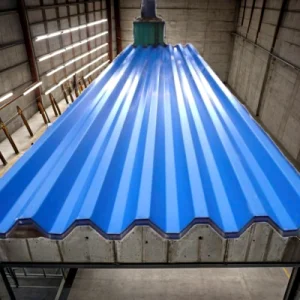
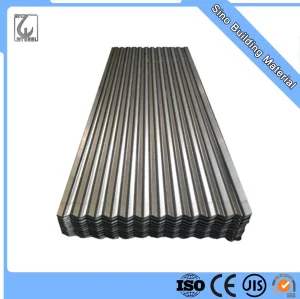
In industrial engineering, elastomeric materials and structural steel work hand in hand. Modern steel framing structures, heavy columns, and metal roofing profiles (such as those supplied by Handan BLS Structural Steel Co., Ltd.) require high-grade rubber inserts to optimize structural resilience. Without elastomeric buffer interfaces, direct steel-on-steel contact can cause structural fatigue due to vibration transfer, high noise levels, galvanic corrosion, and heat loss.
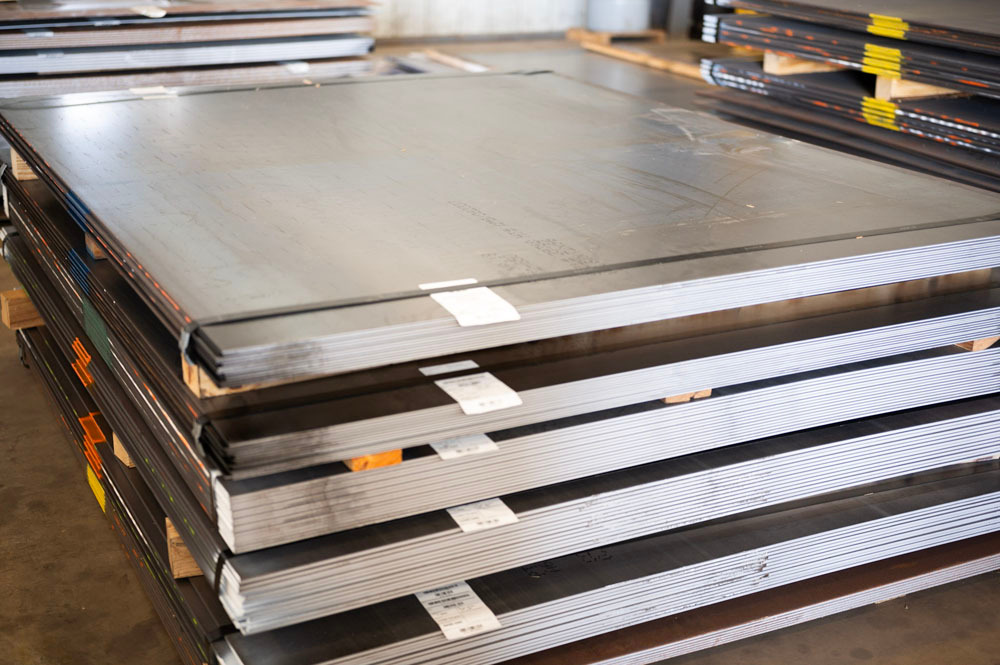
Figure 1: Handan BLS Structural Steel's advanced processing equipment for cutting, forming, welding, and surface treatment.
Consider the following critical interfaces where high-performance rubber sheets are used alongside structural steel installations:
Handan BLS Structural Steel Co., Ltd. is a professional manufacturer and supplier specializing in structural steel products for construction and industrial applications. Located in Handan, Hebei Province—one of China’s important steel production centers—the company benefits from a strong industrial foundation and convenient transportation networks. The company operates modern production facilities covering a large manufacturing area equipped with advanced processing equipment for cutting, forming, welding, and surface treatment. With well-organized workshops and efficient logistics management, Handan BLS Structural Steel provides reliable steel materials that meet the demands of infrastructure, commercial buildings, and industrial projects.
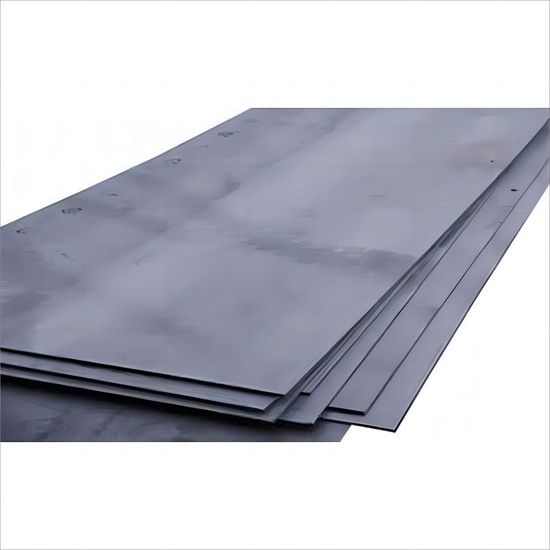
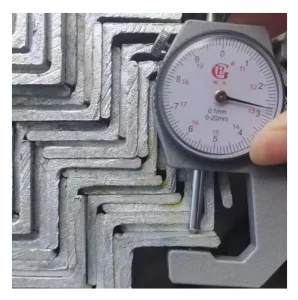
Figure 2: Quality inspection team at Handan BLS verifying dimensional tolerances and material certification.
The company employs a skilled workforce including experienced engineers, technical specialists, quality inspectors, and production staff who work together to maintain strict quality standards. Through continuous training and technical development, the team ensures that every stage of production—from raw material selection to final inspection—meets industry requirements. Handan BLS Structural Steel focuses on delivering durable and precisely manufactured structural steel materials widely used in steel buildings, bridges, machinery manufacturing, and large construction projects. The company emphasizes efficiency, safety, and product reliability to support clients in completing projects successfully.
Since its establishment, Handan BLS Structural Steel Co., Ltd. has steadily expanded its manufacturing capacity and product portfolio to meet the growing demand of domestic and international markets. Over the years, the company has built long-term partnerships with contractors, distributors, and engineering companies. Guided by the principles of quality, integrity, and innovation, Handan BLS Structural Steel continues to improve its production capabilities and service system, aiming to become a trusted supplier of structural steel products and contribute to the development of modern infrastructure worldwide.
By coordinating the supply of primary structural steel elements with heavy industrial elastomeric components, Handan BLS offers a streamlined procurement process. Customers benefit from consolidated logistics, unified quality control, and reduced supply chain overhead by sourcing steel structures and elastomeric sealing profiles from a single industrial zone.
Operating in international markets requires strict compliance with local regulations and material standards. Whether delivering to Europe, North America, or Australia, industrial rubber sheets and steel components must meet certified standards to be approved for use in public works and heavy industry.
Our global compliance program ensures that all manufactured elastomeric sheets meet key localized requirements:
Technical answers to key questions about elastomer selection, customization options, and manufacturing tolerances.
Selecting the right hardness depends on the compression force and sealing requirements. Shore 40A to 50A compounds are soft, compressible, and ideal for low-pressure seals or uneven flange surfaces. Shore 60A to 70A is the standard range for general gaskets and industrial seals, providing a good balance of compliance and mechanical strength. Shore 80A to 90A compounds are hard and rigid, designed for high-stress applications, anti-extrusion back-up rings, and structural damping pads where minimal deformation is required.
Fabric insertion (such as nylon, polyester, or cotton ply) adds dimensional stability to the rubber sheet. Unreinforced rubber can stretch under mechanical tension or deform under high pressures. Fabric layers restrict stretching along the longitudinal and transverse axes, making the sheets suitable for high-pressure gaskets, dynamic seals, and conveyor applications.
NBR (Nitrile) has high resistance to petroleum-based oils, fuels, and grease, but degrades quickly when exposed to ozone, UV light, and weather. EPDM has poor resistance to oils and fuels, but offers outstanding resistance to heat, UV, ozone, and weathering. Use NBR for internal engine and fuel system seals, and EPDM for outdoor gaskets, architectural membranes, and water-supply seals.
Using advanced precision calendering lines, we maintain strict control over sheet thickness. For sheets under 3mm, we achieve tolerances of ±0.1mm. For heavy-gauge sheets (3mm to 10mm), the tolerance is kept within ±0.2mm to 0.3mm. For industrial press plates up to 50mm, we meet standard ISO 3302-1 Class M2 specifications.
Yes. Our ODM compounding engineering team develops custom formulations based on ASTM D2000 specifications. Customers can specify the desired polymer, hardness, tensile strength, and heat resistance requirements (e.g., ASTM D2000 M2BG714 B14 EO14 EO34), and we will match the recipe to those parameters.
Our location in Hebei's steel manufacturing hub provides several logistics advantages. It allows us to integrate structural steel fabrication (such as profiles and plates) with the vulcanization of heavy industrial rubber buffers. This proximity reduces transit times and transport costs, enabling us to deliver pre-assembled structural steel-to-rubber damping plates directly to the field.
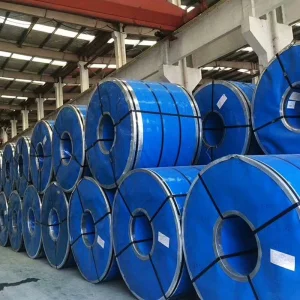
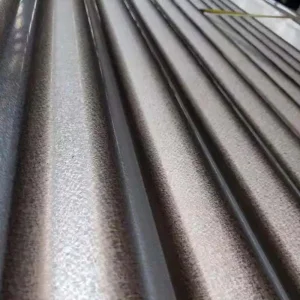
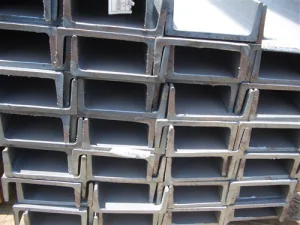
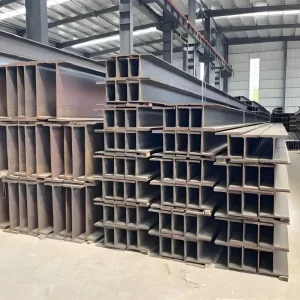
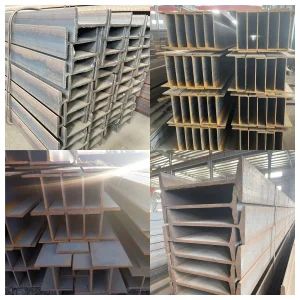
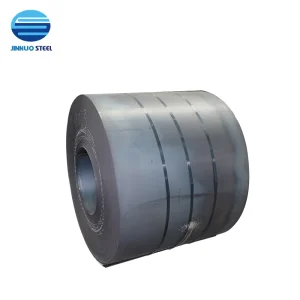
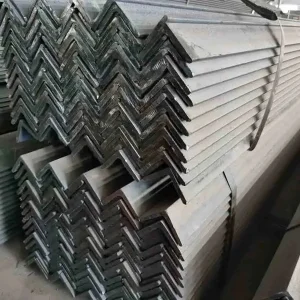
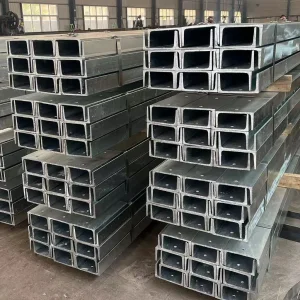
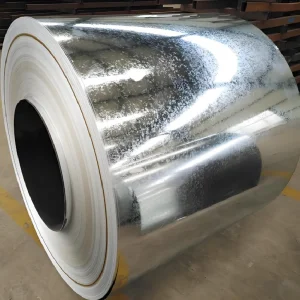
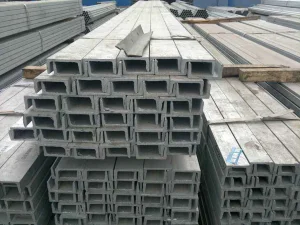
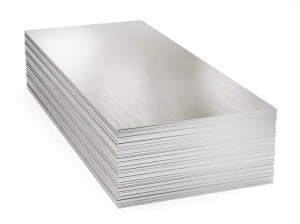
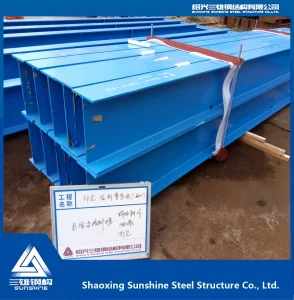
Heavy-duty structural sections, flat rolls, and carbon steel components ready for global deployment.