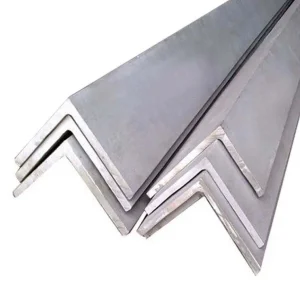
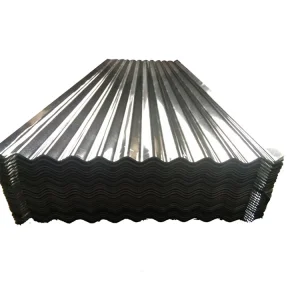
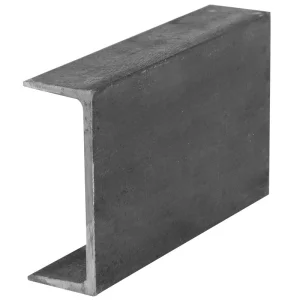
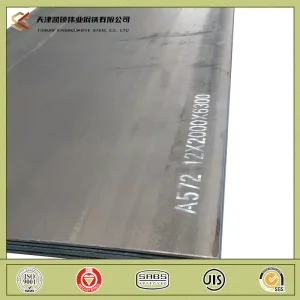
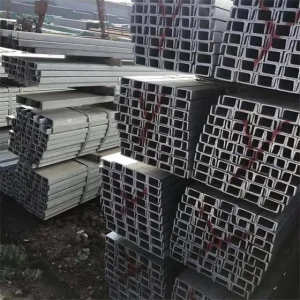
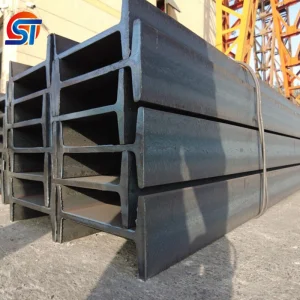
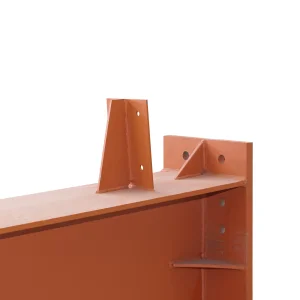
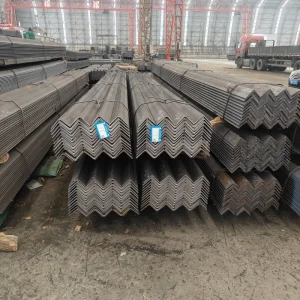
BLS Structural Steel
BLS Structural Steel
BLS Structural Steel
In the global construction landscape, the "China Wholesale Steel Mesh Factory" ecosystem has evolved from simple bulk production to high-tech, precision-engineered manufacturing. As supply chain volatility persists, understanding the E-E-A-T (Experience, Expertise, Authoritativeness, Trustworthiness) of your Chinese manufacturing partners is paramount.
Unlike fragmented manufacturing in other regions, Chinese steel hubs (such as Handan, Hebei) utilize a high-density industrial cluster model. This ensures that raw materials, heat treatment facilities, and coating workshops are located within a short radius, drastically reducing lead times and logistical costs. For global buyers, this translates to predictable timelines and high-capacity availability.
Modern steel mesh is no longer just "reinforcement." It involves advanced alloy composition, anti-corrosive coating technologies (galvanization, PVC coating), and structural precision. Top-tier factories now integrate R&D to ensure that the mesh meets international seismic standards, vital for structural integrity in skyscrapers, highway reinforcements, and agricultural infrastructure.
Factories are shifting toward Industry 4.0. Automated mesh welding machines, laser cutting, and robotic sorting systems have eliminated human error, ensuring consistent tensile strength across every square meter of steel mesh produced.
With global sustainability mandates, leading Chinese steel factories are investing in energy-efficient furnaces and waste-water recycling systems, aligning with ISO 14001 environmental management standards to meet the compliance needs of European and American importers.
Global procurement is no longer "one-size-fits-all." Whether it is specific aperture sizes for agricultural use or high-tensile carbon content for heavy infrastructure, factories now offer bespoke OEM services tailored to local regulatory requirements.
Handan BLS Structural Steel Co., Ltd. stands as a premier example of industrial expertise. Based in Hebei, the company operates at the nexus of traditional manufacturing excellence and modern digital supply chain management.
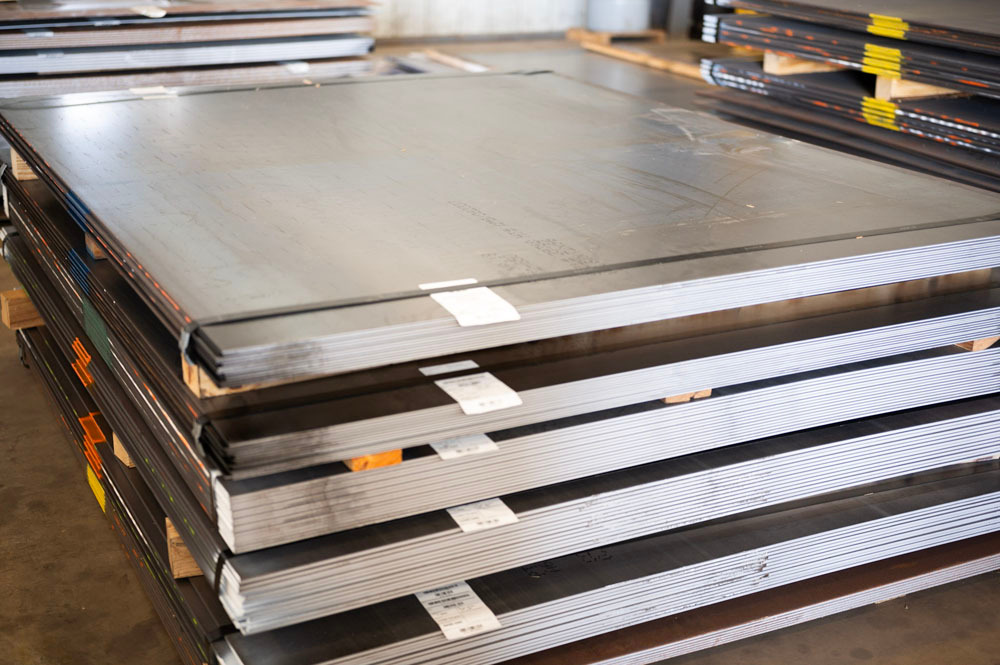
The company maintains a dedicated workforce of engineers and quality inspectors. By strictly controlling the production cycle—from raw steel billet sourcing to the final structural treatment—Handan BLS ensures that every structural element adheres to international quality benchmarks. Their facility is not just a factory; it is a hub for structural solutions, facilitating projects ranging from heavy industrial warehousing to modular bridge construction.
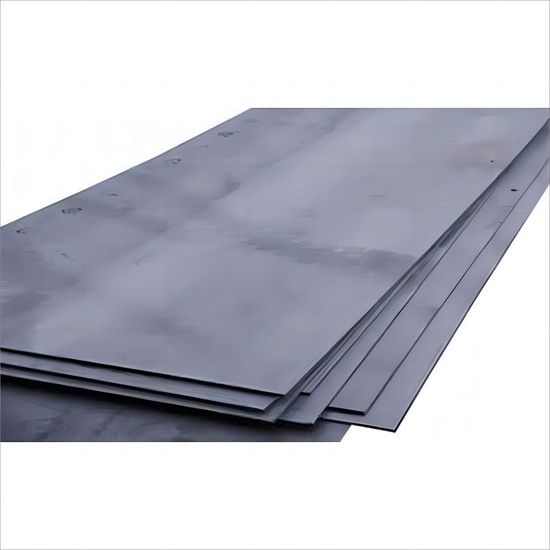
Over the years, Handan BLS has cemented its reputation by prioritizing client requirements. Their philosophy combines traditional integrity with modern technical innovation, ensuring that international distributors and contractors receive not just raw products, but reliable structural building solutions.
Q1: How do I verify the quality of a Chinese steel mesh factory?
A: Look for ISO 9001/14001 certifications, material test reports (MTR), and SGS or TUV inspection capability. A transparent factory will always provide documentation of their chemical composition analysis.
Q2: What is the most critical factor when importing structural steel?
A: Logistics and Incoterms. Understanding CIF vs. FOB and ensuring your manufacturer has experience in customs clearance documentation for your specific country is vital.
Q3: How is the industry addressing the need for durable, corrosion-resistant steel?
A: Innovations in hot-dip galvanizing and polymer coating applications have extended the lifespan of structural steel in harsh, humid, or saline environments significantly, often exceeding the standards of a decade ago.