BLS Structural Steel
BLS Structural Steel
BLS Structural Steel
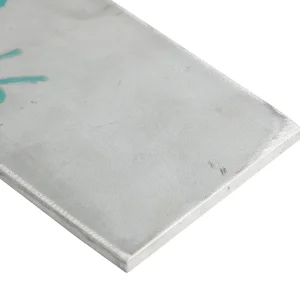
Explore our structural plate profiles engineered for industrial resistance, load-bearing infrastructure, and customized mechanical environments.
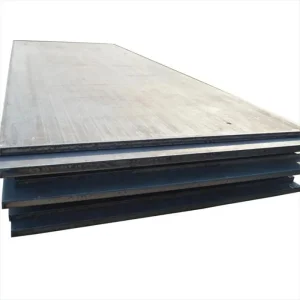
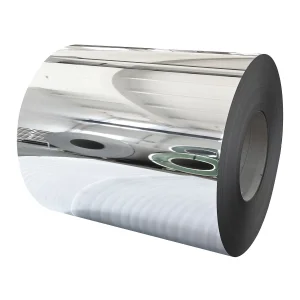
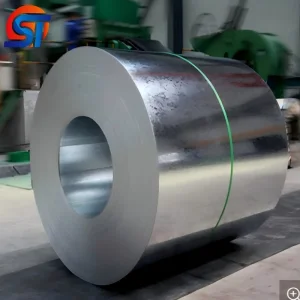
An in-depth metallurgical analysis of why titanium stands as the premier material choice across high-load, highly corrosive, and high-temperature environments.
In modern industrial applications, materials engineering directly dictates the efficiency, longevity, and structural safety limits of machinery. Titanium sheets, particularly CP (Commercially Pure) Grades and Grade 5 (Ti-6Al-4V) alloys, represent the frontier of high-performance metallurgy. By providing unmatched strength-to-weight ratios and absolute corrosion resistance, these materials solve challenges that conventional stainless steel, galvanized, or carbon steel sheets cannot meet.
The global demand for high-grade titanium sheets is experiencing a secular upward trend, driven by rapid technology updates in aerospace engineering, chemical manufacturing, marine environments, and medical implants. According to supply chain analysts, the primary challenge for procurement officers is not merely identifying suppliers, but auditing factories to ensure rigorous compliance with international standards such as ASTM B265, ASME SB265, and aerospace-level AMS specifications.
Industrial procurement departments must navigate complex supply chains to secure consistent mill-run qualities. Unlike standard steel products, titanium processing involves advanced metallurgical processes, including Vacuum Arc Remelting (VAR) or Electron Beam Melting (EBM) to eliminate interstitial impurities like oxygen, nitrogen, and hydrogen. Consequently, selecting a factory with advanced processing equipment is critical to ensuring the structural integrity of the final application.
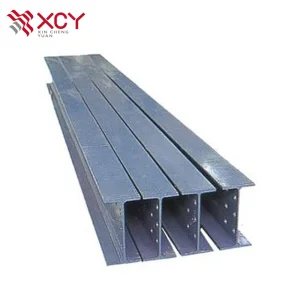
Additionally, the integration of titanium sheets within broader structural systems requires deep engineering alignment. Often, high-corrosion zones (such as chemical reactors or heat exchangers) require titanium cladding or sheeting, while the surrounding structural support relies on structural carbon steel beams and columns. Achieving this structural coordination requires factories to possess versatile manufacturing capabilities, linking advanced alloys with conventional load-bearing profiles.
Titanium sheets reduce dry structural weight while maintaining structural integrity at high altitudes and elevated temperatures, outperforming standard steel plates in aerospace skin structures and heat shields.
The natural oxide passivating layer on titanium sheets provides absolute immunity to chlorides, wet chlorine, nitric acid, and organic acids, making it essential for desalination and chemical processing.
By preventing fatigue failures and stress corrosion cracking under cyclical load patterns, titanium guarantees lower maintenance cycles and extended operational lifetimes compared to alloyed steels.
A rigorous engineering comparison between primary titanium sheet grades and alternative industrial metals to guide procurement decisions.
| Material Class & Grade | Tensile Strength (MPa) | Density (g/cm³) | Primary Industrial Use Case | Key Performance Limiters |
|---|---|---|---|---|
| CP Titanium Grade 1 | 240 Min | 4.51 | Chemical plates, plate heat exchangers, deep drawing parts. | Excellent ductility, lower tensile strength compared to alloys. |
| CP Titanium Grade 2 | 345 Min | 4.51 | Flue gas desulfurization, petrochemical vessels, marine piping. | Optimum balance of strength, weldability, and duct formation. |
| Titanium Grade 5 (Ti-6Al-4V) | 895 Min | 4.43 | Aerospace structural frames, gas turbine blades, high-end medical implants. | High strength-to-weight ratio, difficult to cold form. |
| Stainless Steel 316L | 485 Min | 8.00 | Industrial piping, food processing machinery, architectural elements. | Susceptible to pitting corrosion in high-salinity chloride solutions. |
| Structural Carbon Steel (S355JR) | 470-630 | 7.85 | Steel frames, heavy bridges, machinery platforms, warehouse structures. | Requires regular surface treatments (galvanizing/painting) against oxidation. |
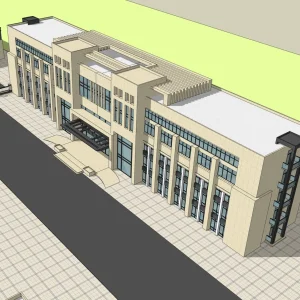
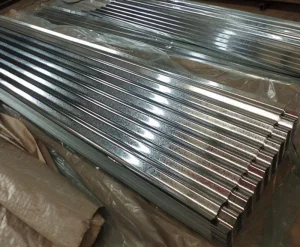
Combining heavy-duty carbon steel framing structures with advanced industrial panels to build modern warehouses, chemical facilities, and logistics centers.
Handan BLS Structural Steel Co., Ltd. is a professional manufacturer and supplier specializing in structural steel products for construction and industrial applications. Located in Handan, Hebei Province—one of China’s important steel production centers—the company benefits from a strong industrial foundation and convenient transportation networks. The company operates modern production facilities covering a large manufacturing area equipped with advanced processing equipment for cutting, forming, welding, and surface treatment. With well-organized workshops and efficient logistics management, Handan BLS Structural Steel provides reliable steel materials that meet the demands of infrastructure, commercial buildings, and industrial projects.
The company employs a skilled workforce including experienced engineers, technical specialists, quality inspectors, and production staff who work together to maintain strict quality standards. Through continuous training and technical development, the team ensures that every stage of production—from raw material selection to final inspection—meets industry requirements. Handan BLS Structural Steel focuses on delivering durable and precisely manufactured structural steel materials widely used in steel buildings, bridges, machinery manufacturing, and large construction projects. The company emphasizes efficiency, safety, and product reliability to support clients in completing projects successfully.
Since its establishment, Handan BLS Structural Steel Co., Ltd. has steadily expanded its manufacturing capacity and product portfolio to meet the growing demand of domestic and international markets. Over the years, the company has built long-term partnerships with contractors, distributors, and engineering companies. Guided by the principles of quality, integrity, and innovation, Handan BLS Structural Steel continues to improve its production capabilities and service system, aiming to become a trusted supplier of structural steel products and contribute to the development of modern infrastructure worldwide.
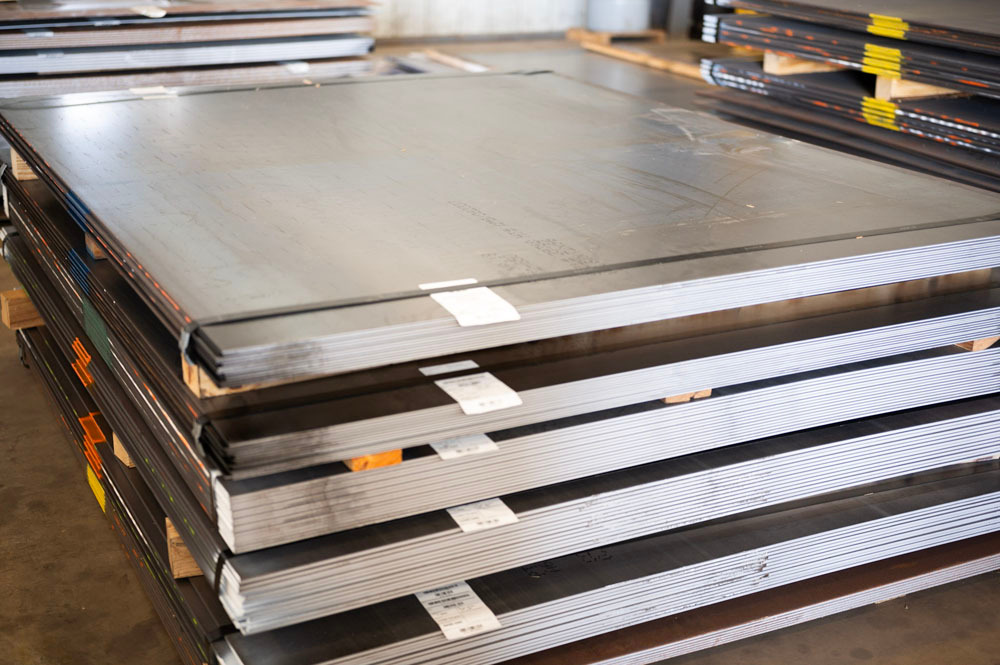
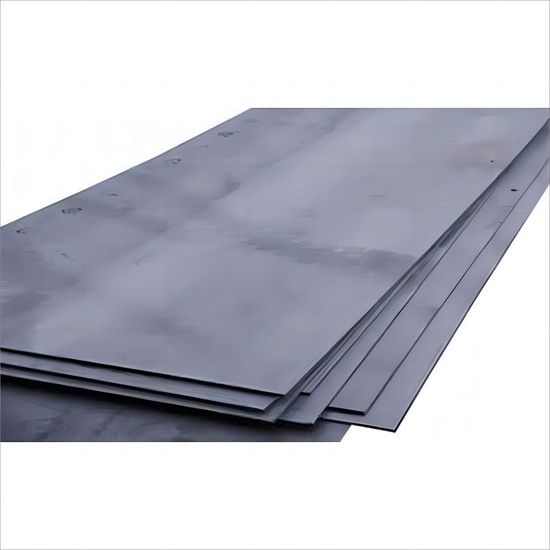
How top factories integrate automation, green production, and rigorous compliance to satisfy strict regulatory requirements.
Top titanium factories leverage automatic thickness control systems (AGC) in their hot and cold rolling mills. These digital feedback loops keep strip variations below ±0.01mm, which is critical for aerospace foil and plate manufacturing.
Modern factories focus on reduction. Using vacuum annealing furnaces instead of nitric-hydrofluoric acid pickling routes eliminates harmful waste, helping buyers satisfy corporate ESG requirements.
Factories guarantee structural reliability by providing Mill Test Certificates (MTC) to EN 10204 3.1. They also perform third-party testing (SGS, TUV, BV) and use ultrasonic scanning to verify internal density and trace defects.
Clear, direct technical answers to assist procurement engineers and alloy sourcing professionals.
CP Grade 2 is commercially pure titanium. It offers excellent ductility, weldability, and corrosion resistance, but moderate mechanical strength. Grade 5 (Ti-6Al-4V) is an alpha-beta alloy containing 6% aluminum and 4% vanadium. It has high mechanical tensile strength (>895 MPa) and is ideal for aerospace structures, though it is more challenging to form and weld.
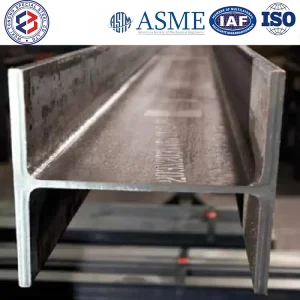
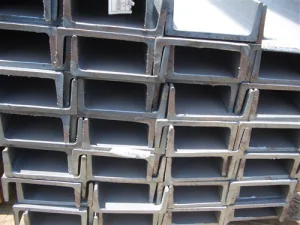
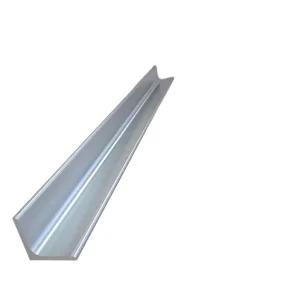
To manage structural costs, heavy frame projects use carbon structural steel (such as H-beams, channels, and angles from Handan BLS) for primary support. They then use thin titanium sheets as cladding or lining in areas exposed to severe weather or chemicals. This hybrid approach combines structural load strength with corrosion protection.
Industrial procurement teams look for ASTM B265 and ASME SB265 compliance. For aerospace components, AMS 4911 is the benchmark standard. These specifications control chemical limits for trace elements (oxygen, nitrogen, carbon, hydrogen, and iron) and require minimum tensile and yield strengths.
Titanium sheets are typically supplied with a mill finish, a pickled finish, or a sandblasted finish. For heat exchangers and architectural facades, a bright annealed (BA) or polished mirror surface is often used to prevent buildup and reduce flow resistance.
Explore structural profiles, framing channels, and roofing systems designed to support large-scale industrial projects.